The Science of Sleep
Sleep Initiation
The Transition to Sleep
Falling asleep feels simple, but it's the result of a complex interplay of chemicals and internal clocks. Two key processes govern this transition: a build-up of sleep pressure and a signal from your body's master clock. Let's look at the molecules and mechanisms that tell your brain it's time to rest.
GABA: The Brain's Brake Pedal
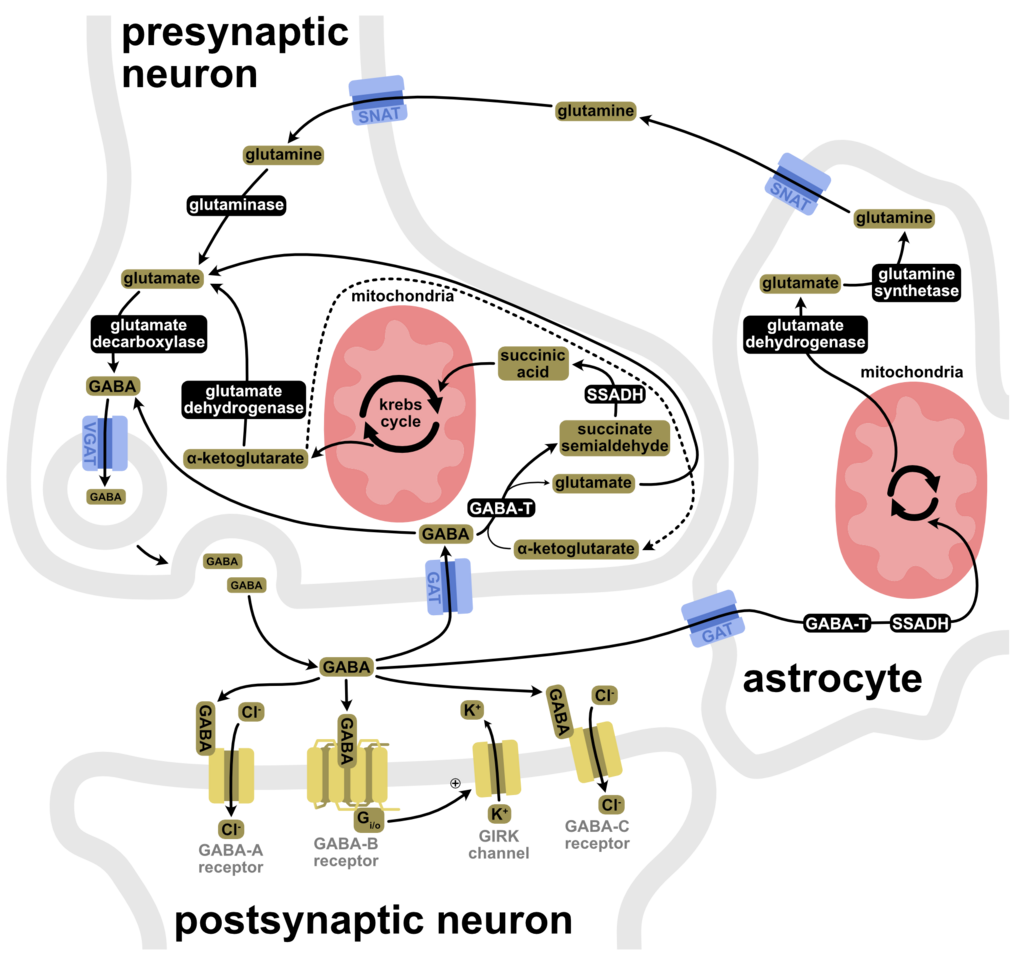
One of the most important players in sleep initiation is Gamma-Aminobutyric Acid, or GABA. It's the primary inhibitory neurotransmitter in your central nervous system. Think of it as the brain's main brake pedal. While you're awake, your brain is a flurry of excitatory signals, with neurons firing constantly.
To fall asleep, this activity needs to calm down. Neurons that release GABA become more active, binding to receptors on other neurons. This action makes the neurons less likely to fire, reducing overall brain activity and promoting the calm state needed for sleep to begin. Many sleep medications work by enhancing the effects of GABA, essentially helping to press that brake pedal.
Adenosine and Sleep Pressure
Have you ever wondered why you feel sleepier the longer you've been awake? The answer lies with a chemical called adenosine. Throughout the day, as your brain cells use energy, they break down a molecule called adenosine triphosphate (ATP). Adenosine is a byproduct of this energy consumption.
Over the course of the day, adenosine gradually accumulates in the brain. This buildup increases what's known as sleep-wake homeostasis, or more simply, "sleep pressure." The higher the level of adenosine, the stronger the pressure to sleep becomes. While you sleep, your brain clears away this adenosine, reducing the sleep pressure so you wake up feeling refreshed.
More time awake leads to more energy use, which means more adenosine. This is the simple formula for rising sleep pressure.
Internal Clocks and Rhythms
Chemicals alone don't control sleep. Your body also relies on a sophisticated timing system. The primary driver is the circadian rhythm, your internal 24-hour clock. This clock is managed by a small region in the hypothalamus called the suprachiasmatic nucleus (SCN). The SCN takes cues from the environment, especially light, to keep your body on schedule.
As light fades in the evening, the SCN signals the pineal gland to release melatonin, a hormone that promotes sleepiness. This is your circadian rhythm's way of telling your body that the optimal time for sleep is approaching. The urge to sleep is strongest when sleep pressure from adenosine is high and the circadian signal for wakefulness is low.
This model shows how the two systems work together. Process S (sleep pressure) builds steadily while you are awake. Process C (the circadian wake drive) generally opposes this pressure during the day to keep you alert. However, as evening arrives, the wake drive from Process C begins to fall. The point where high sleep pressure meets a low wake drive creates the perfect window for falling asleep easily. This elegant system ensures you sleep when your body is most prepared for it.
What is the primary role of Gamma-Aminobutyric Acid (GABA) in preparing the brain for sleep?
What is the relationship between adenosine and 'sleep pressure'?
Understanding these mechanisms gives you the power to influence your own sleep. By managing light exposure and maintaining a consistent schedule, you support your natural rhythms, making the transition to sleep smoother.