The Science of Sleep
Introduction to Sleep
What is Sleep?
Every night, we close our eyes and drift away into a different state of being. Sleep is a natural, reversible state of reduced responsiveness to the outside world. During this time, our consciousness is altered, our sensory activity is lowered, and most of our voluntary muscles become inactive.
sleep
noun
A recurring, natural state of mind and body, characterized by altered consciousness, relatively inhibited sensory activity, reduced muscle activity, and inhibition of nearly all voluntary muscles.
But this isn't just a period of doing nothing. Your body might be still, but your brain is surprisingly active, performing critical tasks that are essential for health and survival. Think of it less like turning a computer off and more like putting it into a special maintenance mode.
A Universal Behavior
Humans aren't the only ones who need to sleep. It's a fundamental behavior observed across the animal kingdom, from insects to elephants. While the way animals sleep varies wildly, the need for it is universal, which tells us that it must be incredibly important from an evolutionary standpoint.
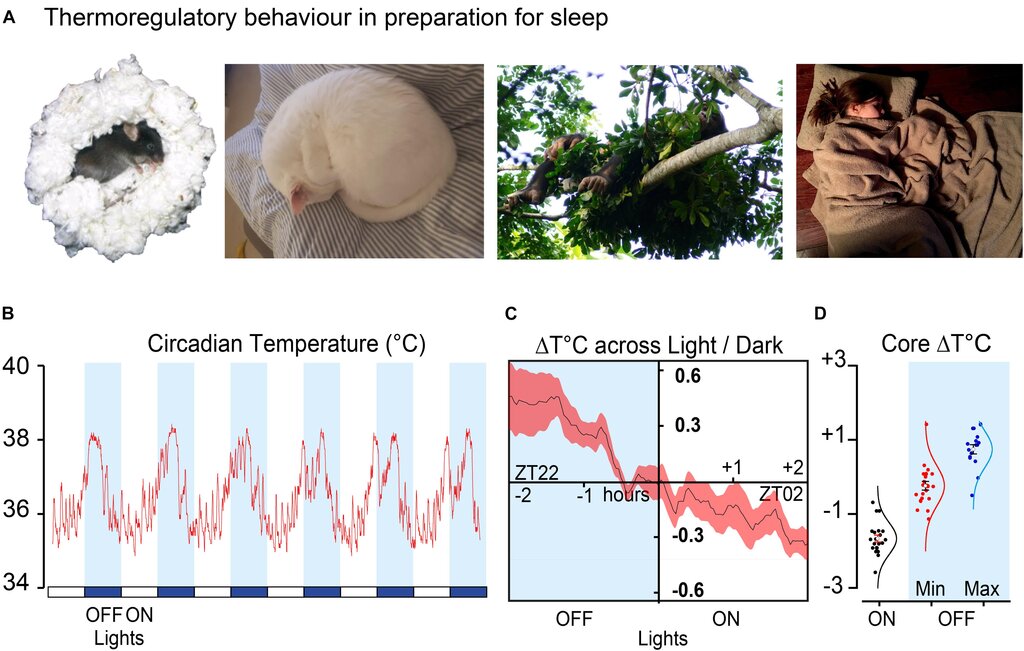
For instance, dolphins and whales sleep with one half of their brain at a time, a technique called unihemispheric sleep. This allows them to stay alert for predators and surface for air. Some birds can even sleep while flying, catching a few seconds of rest in what are known as microsleeps. These adaptations show how vital sleep is; nature has found ingenious ways to fit it into even the most demanding lifestyles.
The fact that sleep is so widespread and has been preserved for millions of years of evolution suggests it serves a critical purpose that outweighs the obvious risks of being unconscious and vulnerable.
The Brain's Control Center
So, what part of the body is in charge of this complex process? The answer lies in our nervous system, the body's command center. It’s broadly divided into two main parts: the Central Nervous System (CNS) and the Peripheral Nervous System (PNS).
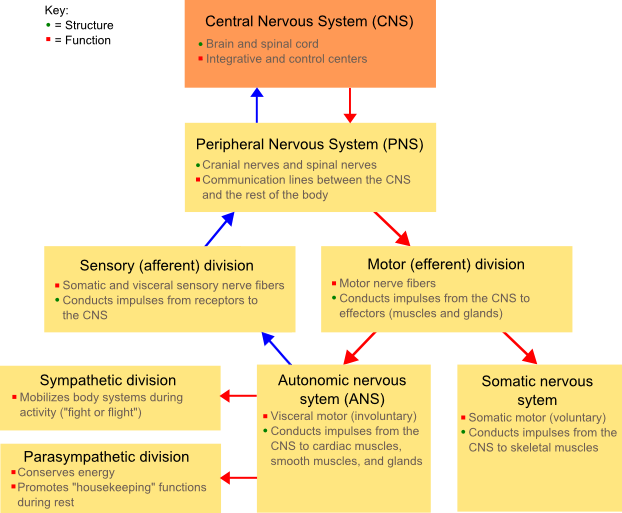
The CNS, which consists of the brain and spinal cord, is the primary driver of sleep. Specific areas within the brain, like the hypothalamus and brainstem, act like a switch, turning sleep on and off. They send signals throughout the body, preparing it for rest.
During sleep, the brain doesn't just go quiet. Instead, it cycles through different stages, each with unique patterns of brain activity. This activity is crucial for the restorative processes that happen while we're asleep. Meanwhile, the PNS, which includes all the nerves outside the brain and spinal cord, carries out the brain's instructions, relaxing muscles and slowing down functions like heart rate and breathing.
Sleep is just as critical to our body as other basic functions of survival like eating, drinking, and breathing.
Now that we have a basic understanding of what sleep is and how our body manages it, we can explore why it's so essential for our daily lives.