The Science of Sleep
Introduction to Sleep Biology
The Active State of Rest
Sleep isn't just about your body and brain shutting down for the night. It’s a highly active, organized state that’s crucial for survival. Think of it less like turning off a computer and more like running a deep system maintenance program. While you're unconscious, your brain is busy organizing memories, clearing out waste products, and preparing for the next day.
This process is so fundamental that nearly every animal with a nervous system does it in some form. From fruit flies to whales, the need for sleep is universal, highlighting its deep evolutionary importance.
Sleep is foundational to good health, impacting everything from cognitive function and mood to cardiovascular health and immune function.
Why We Need It
So, what exactly is happening during this nightly maintenance? Sleep serves several critical functions that keep us healthy and sharp.
First, it’s essential for the brain. During sleep, your brain consolidates memories, transferring important information from short-term to long-term storage. This is why a good night's sleep can help you remember what you learned the day before. It also performs a cleanup, flushing out metabolic byproducts that accumulate while you’re awake.
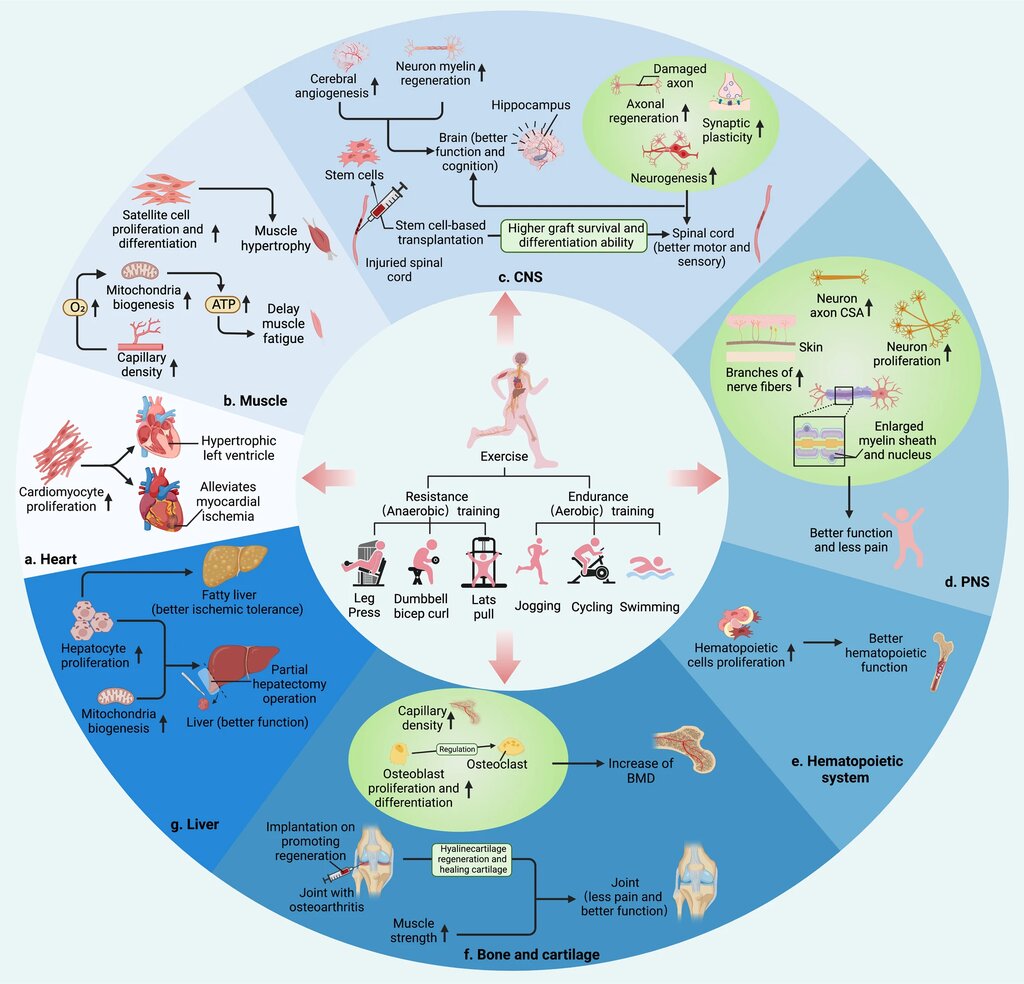
Physically, sleep is a time for repair. Your body ramps up cell growth and repair processes. Muscles recover, tissues are mended, and important hormones are released that regulate everything from growth to appetite.
Your immune system also gets a boost. While you sleep, it produces proteins called cytokines, some of which help promote sleep and fight infection and inflammation. Without enough sleep, your immune system's defenses are weakened.
The Rhythm of Rest
Sleep isn't a single, uniform state. Instead, you cycle through different phases of sleep throughout the night. Each cycle acts like a wave, taking you from lighter stages of sleep down into deeper ones and then back up again.
A full sleep cycle lasts about 90 minutes on average, and you'll typically go through four to six of these cycles each night.
Each part of the cycle plays a distinct role. Deeper sleep is more focused on physical restoration, while lighter stages are associated with dreaming and memory processing. The consistent repetition of these cycles ensures your brain and body get the full range of benefits that sleep offers.
Understanding this cyclical pattern is the first step toward appreciating the complex and vital role sleep plays in our daily lives.