The Science of Romantic Obsession
Neurochemistry of Obsession
The Brain's Reward Circuit
When romantic feelings tip into obsession, the brain's reward system is running the show. This isn't just a metaphor; it's a specific network of brain structures hardwired for motivation and survival. The same circuitry that ensures we seek out food and water can get hijacked by a person, turning attraction into a relentless drive.
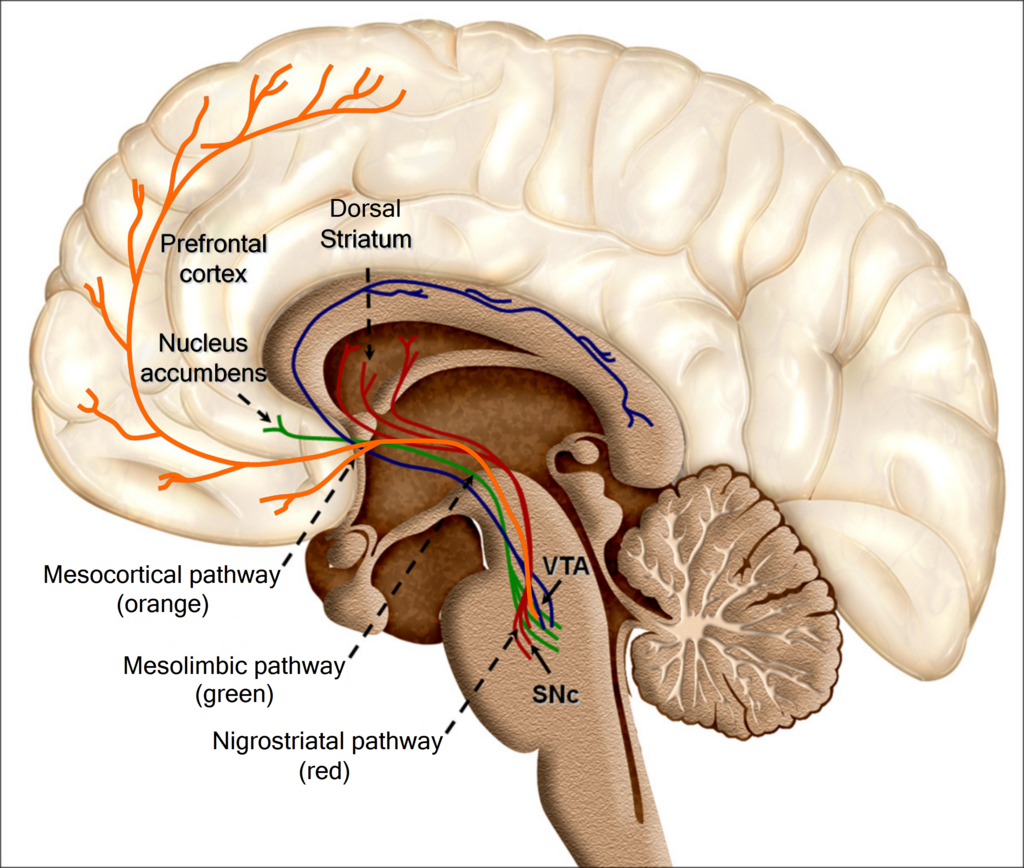
Three key neurochemicals orchestrate this intense experience: dopamine, serotonin, and norepinephrine. Their combined activity creates the powerful cocktail of craving, intrusive thoughts, and hyper-arousal that defines obsession. At the center of this storm is the brain's mesolimbic pathway, the primary road for reward signaling.
Dopamine and the Craving Cycle
Dopamine is often called the "pleasure chemical," but that's a bit of a misnomer. It's more accurately the chemical of motivation and anticipation. It doesn't just signal pleasure; it drives you to seek things that you believe will bring pleasure. The main hub for this process is the (VTA), a small group of neurons in the midbrain. When you think about your romantic interest, the VTA floods a key reward structure, the nucleus accumbens, with dopamine.
This creates a powerful craving, not just for the person, but for the dopamine hit they represent. Each interaction, text message, or even just a thought about them acts as a trigger, reinforcing the cycle. The brain begins to treat the person like a drug, creating a feedback loop that mirrors substance addiction. The focus shifts from the simple joy of being with them to an insatiable need for the next interaction.
Drug-induced dopamine releases activate a biphasic reward response with pleasurable, positive "a-processes" (euphoria, rush) followed by unpleasant, negative "b-processes" (cravings, withdrawal).
Serotonin and Intrusive Thoughts
While dopamine drives the craving, serotonin levels often drop. Serotonin is a mood regulator; it helps keep our impulses in check and our minds calm. When serotonin is depleted, the brain's ability to filter out unwanted thoughts is weakened. This is why romantic obsession often involves intrusive, repetitive thinking about the other person.
These are not just daydreams; they are persistent, often unwanted mental loops. You might find yourself replaying conversations, analyzing their every word, or fantasizing uncontrollably. This pattern is remarkably similar to the neurochemical state seen in (OCD), where low serotonin is linked to the inability to dismiss obsessive thoughts.
The mind gets stuck, unable to turn its attention away. The lack of serotonin effectively removes the brain's 'off' switch for rumination.
Norepinephrine and Physical Arousal
The final piece of the puzzle is norepinephrine. A close cousin of adrenaline, norepinephrine is responsible for the physical symptoms of arousal and alertness. It's the chemical behind the racing heart, sweaty palms, and sleepless nights associated with intense infatuation.
When you're expecting to see the person or even just thinking about them, your brain releases norepinephrine, kicking your body into a state of high alert. This is part of the brain's fight-or-flight system. While useful for escaping danger, in the context of obsession, it creates a constant state of nervous energy and heightened sensitivity. Every small detail feels significant, and your body is perpetually primed for action, which can be both exhilarating and exhausting.
| Neurotransmitter | Primary Role in Obsession | Subjective Experience |
|---|---|---|
| Dopamine | Motivation & Craving | Intense wanting, anticipation, goal-directed behavior |
| Serotonin (low) | Intrusive Thoughts | Repetitive thinking, inability to stop ruminating |
| Norepinephrine | Arousal & Alertness | Racing heart, anxiety, heightened focus |
Let's check your understanding of these complex interactions.
What is the primary role of dopamine in the cycle of romantic obsession?
The intrusive, repetitive thoughts common in romantic obsession are linked to a drop in which neurochemical, creating a state similar to that seen in Obsessive-Compulsive Disorder (OCD)?
Together, these three neurotransmitters create a perfect storm. Dopamine makes you want, low serotonin stops you from not thinking about it, and norepinephrine makes your body feel every moment with electrifying intensity. Understanding this neurochemical basis is the first step in seeing obsession not as a personal failing, but as a powerful biological process.