The Science of Rainbows
Nature of Light
A Wave or a Particle?
For centuries, scientists debated the true nature of light. Is it a continuous wave, like a ripple in a pond? Or is it a stream of tiny particles? The strange answer from modern physics is that it's both. This concept is called wave-particle duality.
Depending on how we measure it, light can behave like a wave or a particle. When it travels through space, it spreads out and shows patterns of interference, just like a wave. But when light hits a surface and transfers its energy, it does so in discrete packets, like a particle. These 'particles' of light are called photons.
Think of it this way: Light travels as a wave, but it arrives as a particle.
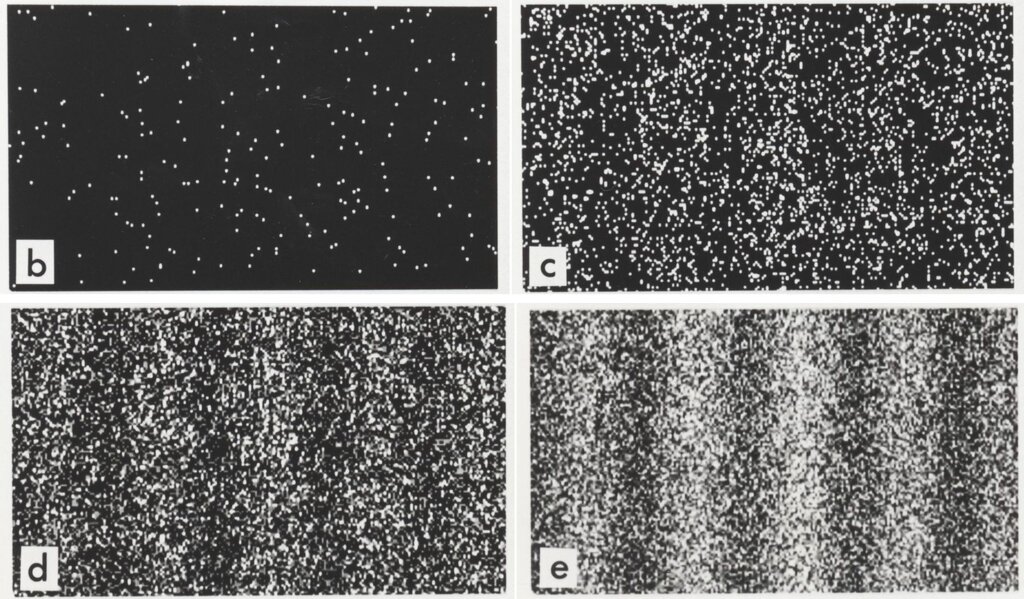
This dual nature isn't just a quirky feature; it's fundamental to how light interacts with everything in the universe. It's not that light is switching between two states. Rather, it possesses both sets of properties simultaneously. We just can't observe both at the same time.
Beyond the Rainbow
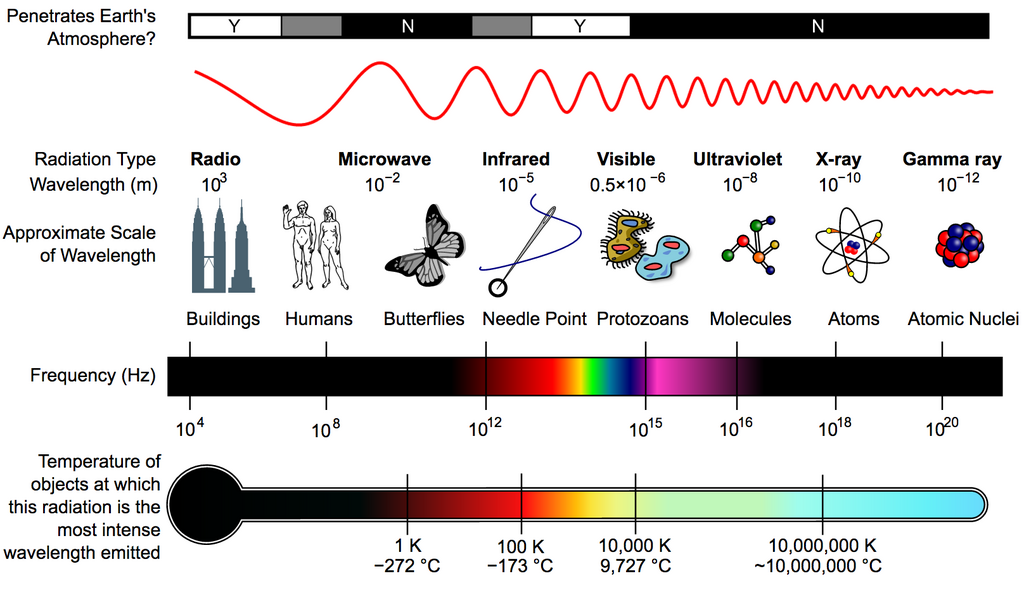
The light we see with our eyes is just a small slice of a much larger picture. Light is a form of energy called electromagnetic radiation, which travels in waves. The full range of these waves makes up the electromagnetic spectrum.
This spectrum includes everything from long-wavelength radio waves that carry signals to your car, to microwaves that heat your food, to X-rays that let doctors see inside your body. All these forms of radiation are fundamentally the same thing as visible light, they just have different wavelengths and energy levels.
The Colours We See
The sliver of the electromagnetic spectrum that our eyes can detect is called the visible light spectrum. Within this narrow band, different wavelengths are perceived by our brains as different colours. It's the classic rainbow: red, orange, yellow, green, blue, indigo, and violet.
Red light has the longest wavelength in the visible spectrum, while violet light has the shortest. When all these wavelengths are combined, as in sunlight, we perceive the light as white. The specific way an object absorbs and reflects these different wavelengths is what gives it colour.
The concept that light can exhibit properties of both waves and particles is known as what?
When light transfers its energy to a surface, it does so in discrete packets. What are these 'particles' of light called?