The Science of Prediction
Introduction to Prediction
The Art and Science of Prediction
At its core, prediction is the act of forecasting what might happen in the future. It's a fundamental part of how we navigate the world. We make small predictions all day: guessing how long a drive will take, deciding whether to bring a jacket, or anticipating a friend's reaction to a joke.
But prediction is also a rigorous discipline that powers everything from economic forecasts to medical diagnoses. It’s not about gazing into a crystal ball. Instead, it’s about using what we know to make an informed guess about what we don't. The goal isn't always to be perfectly right, but to reduce uncertainty and make better decisions.
Predictive modeling is a technique used for forecasting occurrences of events that may take place in the future by referring to past data.
This reliance on past data is a cornerstone of prediction. By understanding where we've been, we can get a clearer picture of where we might be going.
The Building Blocks
How do we actually form a prediction? It generally rests on three pillars: historical data, patterns, and an understanding of underlying causes.
First, we look at historical data. The past is often our best guide to the future. If a company's sales have increased every November for five years, it's reasonable to predict they will again this year. This is the raw material for any forecast.
Next, we search for patterns and trends within that data. A pattern might be cyclical, like the seasonal sales example. A trend is a general direction, such as the steady increase in global internet usage over the last two decades. Identifying these helps us move from raw data to a coherent forecast.
Finally, the most robust predictions rely on understanding underlying mechanisms. Why do sales rise in November? It's likely due to holiday shopping. Knowing the cause behind a pattern makes a prediction much more reliable. If we only look at the pattern without understanding the cause, we risk being blindsided when circumstances change.
Embracing Uncertainty
No prediction is perfect. The future is inherently uncertain, and it's crucial to acknowledge the factors that limit a forecast's accuracy. One major source of uncertainty is data limitations. We might not have enough data, the data might be of poor quality, or it might not represent the whole picture. A political poll that only surveys a small, specific demographic will likely produce a flawed prediction for a national election.
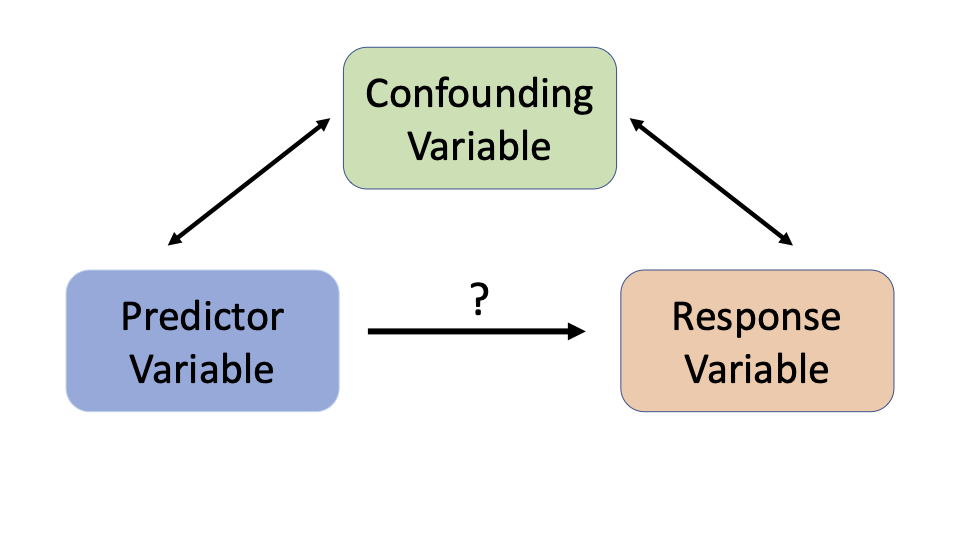
Another source of uncertainty comes from model assumptions. A predictive model is a simplified version of reality. For a model to work, its creators must make assumptions about how different factors relate to each other. If these assumptions are wrong, the model's predictions will be unreliable. The economy is not a machine that follows a few simple rules, and a model that assumes it is will eventually fail.
Because of these factors, predictions are best understood as statements of probability, not declarations of certainty.
A Question of Ethics
Since predictions can have real-world consequences, making them carries ethical responsibilities. A key responsibility is transparency. Forecasters should be clear about the limitations of their predictions, including the data used, the assumptions made, and the potential range of error.
Communicating uncertainty is vital. Saying there is a 70% chance of rain is more honest and useful than declaring that it will definitely rain. It allows people to make informed decisions based on probabilities.
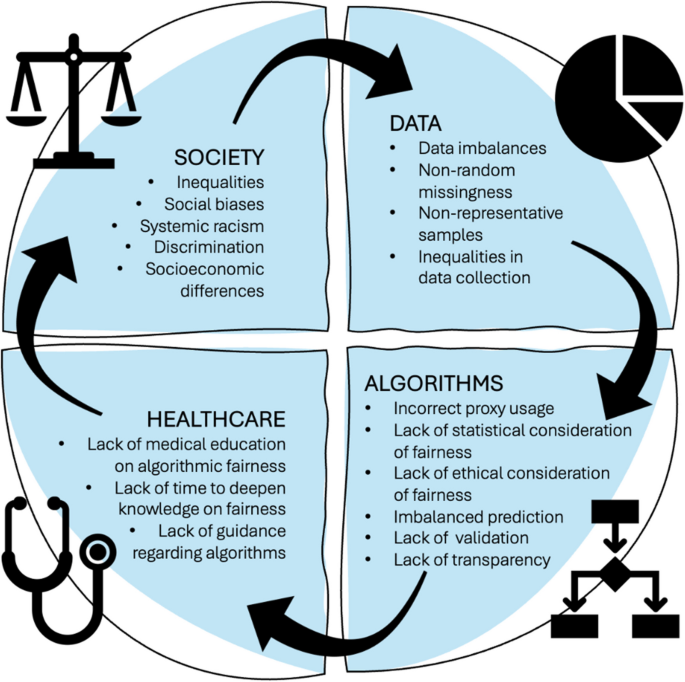
Predictive systems can also reflect and even amplify existing biases. If a model is trained on biased historical data, its predictions will also be biased. For example, a hiring algorithm trained on past hiring decisions in a male-dominated industry might unfairly penalize female candidates. Addressing and mitigating this bias is a critical ethical challenge.
Ultimately, prediction is a powerful tool. Understanding its principles, limitations, and ethical dimensions is the first step toward using it wisely.
What is the primary goal of prediction as a rigorous discipline?
A retail company observes that its sales have increased every November for the past five years. This observation is an example of which pillar of prediction?