The Science of Motus
Introduction to Animal Locomotion
The Drive to Move
From the frantic dash of a mouse to the slow crawl of a snail, movement is a fundamental part of animal life. This ability to move from one place to another is called locomotion.
Locomotion
noun
The act or power of moving from place to place.
But why is movement so important? At its core, locomotion is about survival. Animals move to find food, water, and shelter. They move to escape from predators and to seek out mates. Movement also allows animals to disperse, finding new territories to colonize and reducing competition for resources.
Think of a gazelle sprinting across the savanna to escape a lion, or a bee flitting from flower to flower to collect nectar. Each movement has a purpose, directly linked to staying alive and ensuring the continuation of its species. Without locomotion, an animal's world would be incredibly small and dangerous.
Environments Shape Movement
The way an animal moves is heavily influenced by its environment. Over millions of years, animals have evolved specialized ways to navigate land, water, and air.
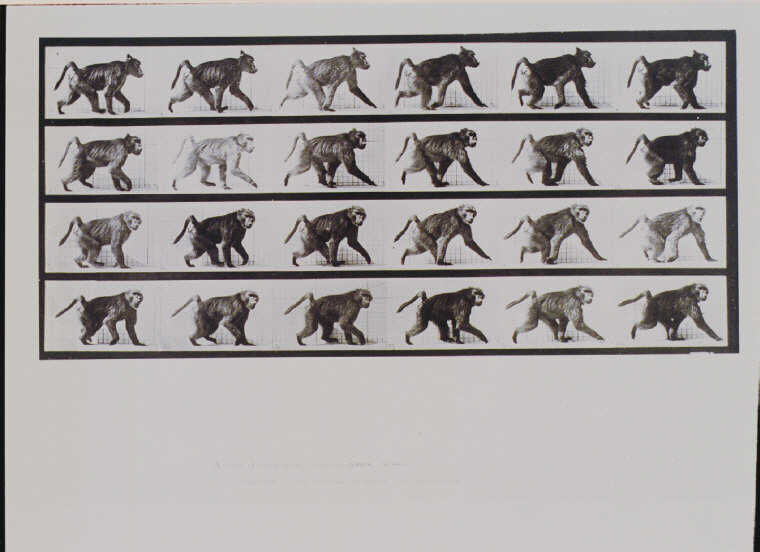
Terrestrial locomotion involves moving on land. Animals that live on the ground must contend with gravity and friction. They need strong skeletal structures and muscles to support their body weight and propel themselves forward. This includes walking, running, hopping, and crawling.
Aquatic locomotion is movement in water. Water provides buoyancy, which helps support an animal's weight, but it also creates drag, a resistance to movement. Aquatic animals, like fish and seals, typically have streamlined bodies to reduce this drag and powerful tails or flippers to push through the water.
Aerial locomotion, or flight, is the most energetically demanding mode of movement. Animals that fly, such as birds, bats, and insects, must generate enough lift to overcome gravity. This requires lightweight skeletons, powerful flight muscles, and wings with a specific aerodynamic shape.
Evolutionary Blueprints for Motion
An animal's body plan is a direct reflection of its primary mode of locomotion. Evolution has shaped anatomy to optimize movement in a specific environment. A bird's hollow bones make it light enough for flight, while a mole's powerful, shovel-like forelimbs are perfect for digging underground.
These adaptations are evolutionary trade-offs. The features that make a whale an efficient swimmer would make it helpless on land. Similarly, a kangaroo's giant legs are fantastic for hopping across open plains but aren't suited for climbing trees.
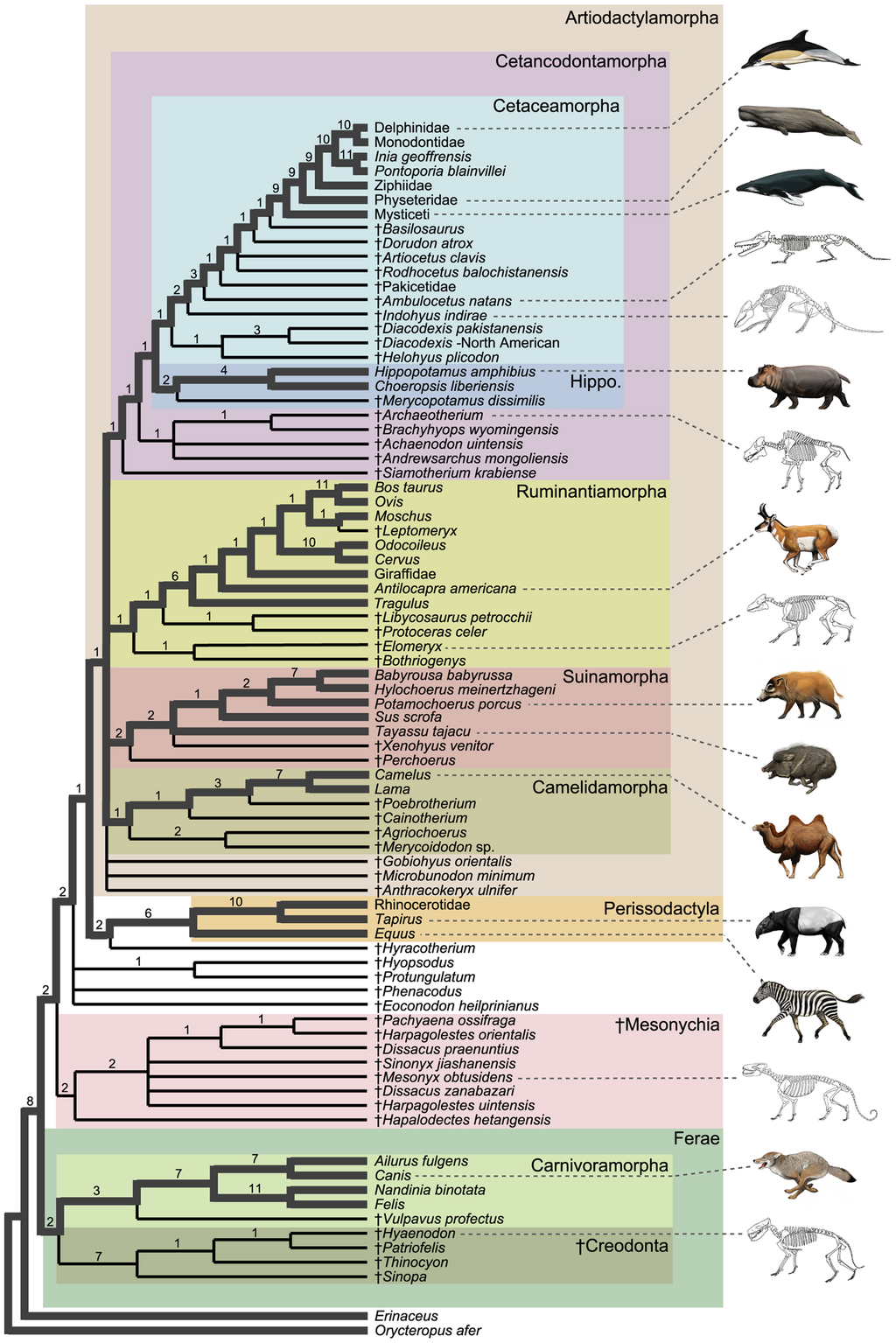
The way an animal moves also defines its role in the ecosystem. A swift predator like a cheetah can chase down fast prey, influencing prey populations. A slow-moving herbivore like a tortoise interacts with its environment in a completely different way, affecting plant life. Locomotion is not just about getting from A to B; it's about how an animal lives its life and shapes the world around it.
An animal's ability to move is fundamentally linked to its survival, its body shape, and its role in the natural world.
Let's review the key concepts we've covered.
Now, check your understanding with a few questions.
What are the primary reasons for animal locomotion?
The streamlined body of a fish is a specific adaptation to overcome which challenge in its environment?
Understanding these basic principles of locomotion provides a foundation for exploring the incredible diversity of animal movement.