The Science of Memes
Introduction to Memes
The Original Meme
Long before the internet gave us cats playing pianos or viral dance challenges, the idea of the meme was born in a 1976 book, The Selfish Gene. The author, evolutionary biologist Richard Dawkins, needed a word for a unit of cultural transmission. He wanted something that sounded like "gene" to suggest a similar process of replication and evolution, but for ideas instead of biology.
meme
noun
An element of a culture or system of behavior that may be considered to be passed from one individual to another by nongenetic means, especially imitation.
Dawkins imagined memes as tunes, ideas, catchphrases, or styles that spread from person to person within a culture. Just like genes, some memes are better at surviving and replicating than others. A catchy song is a more successful meme than a forgettable jingle. An effective building technique is a more successful meme than one that results in collapse. This process of cultural evolution happens through imitation.
Memes, as defined by Richard Dawkins in The Selfish Gene (1976, 189-201), are units of cultural transmission that replicate and spread among individuals, evolving through variation and selection.
From Theory to Internet
For decades, the concept of the meme remained mostly in academic circles. Then came the internet. The digital world turned out to be the perfect ecosystem for memes to thrive. It allowed ideas to replicate and spread at a speed Dawkins could have hardly imagined.
The earliest internet memes were simple things shared on forums and email chains. Think of the dancing baby animation from the mid-90s or the 'All your base are belong to us' catchphrase from an old video game. They weren't called memes by most people at the time, but they fit the definition perfectly. They were cultural artifacts spreading through imitation and remixing.
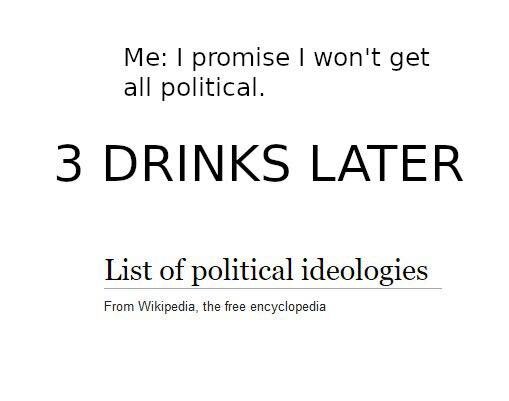
As social media platforms emerged, the evolution of memes accelerated. Now, they are a central part of online communication. They've moved from simple catchphrases to a complex visual language, often involving images, videos, and text templates that are endlessly adaptable.
The internet didn't invent memes, but it gave them an environment where they could evolve at an incredible speed.
What Makes a Meme Work
Why does one image go viral while thousands of others are ignored? Successful internet memes usually share a few key characteristics.
First, they are relatable. A good meme often taps into a shared experience or emotion. It makes you think, "That's so true!" This feeling of connection makes you want to share it with others who you know will get it.
Humor is another vital ingredient. Most memes are designed to be funny, whether through clever wordplay, absurdity, or satire. Laughter is a powerful motivator for sharing content. Even when dealing with serious topics, memes often use humor to make a point.
Finally, visual impact is crucial. Modern memes are typically image or video-based. They need to grab your attention quickly as you scroll through a feed. They often use bold text and recognizable formats, making them easy to understand at a glance. The most successful memes are simple enough to be understood instantly but clever enough to be memorable.
Memes are a language—specifically a language of the internet.
Let's review the concepts we've covered.
Now, check your understanding.
Who first coined the term 'meme' in his 1976 book The Selfish Gene?
The original concept of a meme was created as an analogy to what biological unit?
Together, these elements create a powerful form of communication that defines much of modern internet culture.