The Science of Lovability
Introduction to Emotional Design
More Than Just a Tool
Think about a product you truly enjoy using. It might be a sleek coffee maker that starts your day, a beautifully simple app on your phone, or even a comfortable chair. What makes it great? Sure, it has to work well. But often, our favorite products do more than just function. They make us feel something.
This is the core idea behind emotional design. It’s the practice of creating products that connect with users on an emotional level. It's not about making users happy or sad on purpose. Instead, it’s about crafting experiences that feel intuitive, delightful, and even personal. When a product evokes a positive emotion, we’re more likely to enjoy using it, remember it, and come back to it.
Emotional design moves beyond simple usability to create a genuine connection between a person and a product.
Why Emotions Matter
Our brains are wired to remember feelings. We often forget the exact details of an event, but we remember how it made us feel. This is true for products, too. A frustrating website, a confusing app, or a clunky remote control creates negative feelings that stick with us. We might avoid using that product again if we can help it.
On the other hand, a product that provides a moment of joy, a feeling of competence, or a sense of calm creates a positive bond. These small emotional wins make an experience feel seamless and enjoyable. They turn a simple tool into something more.
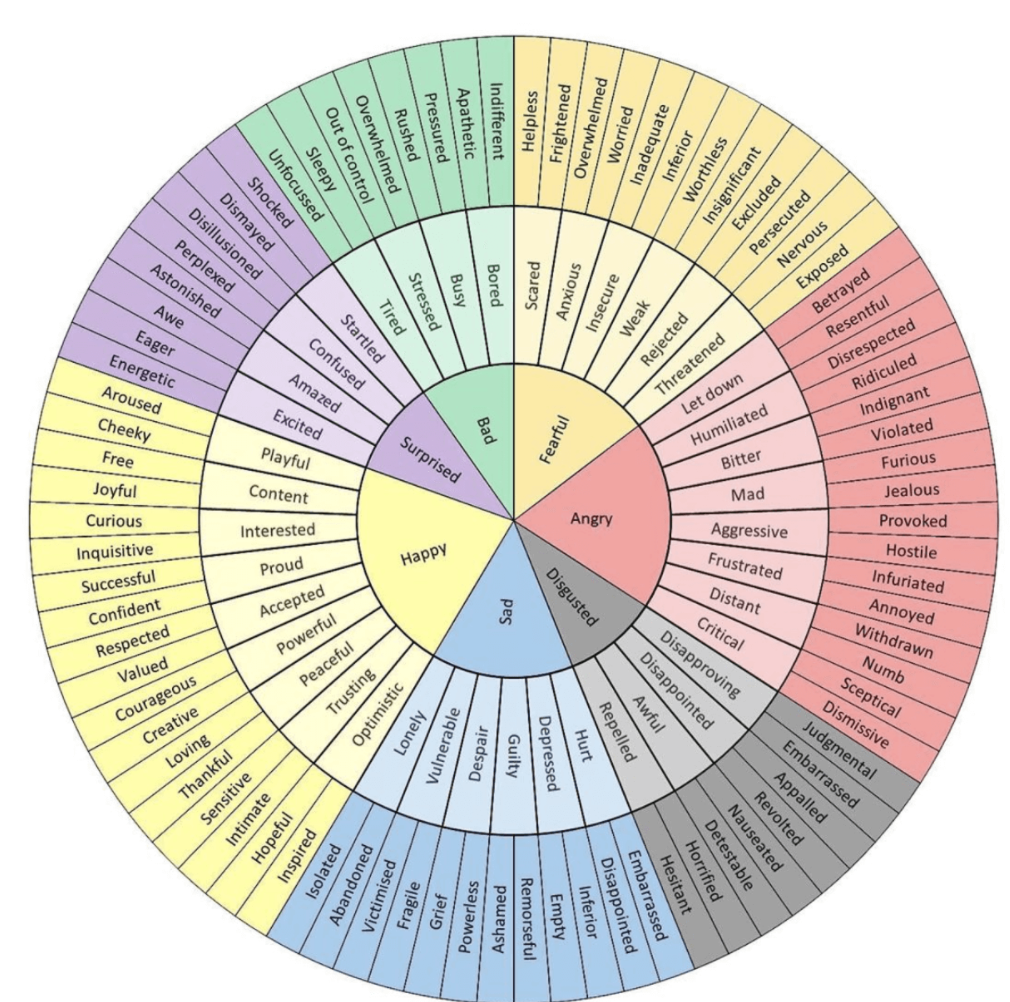
When designers consider the emotional impact of their choices—from colors and fonts to the satisfying click of a button—they are designing for the whole person, not just the task at hand. This engagement is what separates a forgettable product from one that becomes a valued part of someone's life.
By intentionally incorporating emotional connection into your product design, you create more than a product or a brand—you create a love story that your customers want to be part of!
From Satisfaction to Loyalty
A product that works correctly meets our expectations. That leads to satisfaction. But satisfaction is a low bar. If a competitor releases a similar product that’s cheaper or has one more feature, a satisfied user might switch without a second thought.
Loyalty is different. Loyalty is built on a positive emotional connection. When we feel good using a product, we form a bond with it. That bond makes us more forgiving of minor flaws and less likely to be swayed by competitors. It's the reason people stick with a certain brand of phone, car, or software, even when other options exist.
| Aspect | Functional Design | Emotional Design |
|---|---|---|
| Goal | Solves a problem efficiently. | Creates a positive feeling. |
| User Reaction | "It works." | "I love using this." |
| Outcome | Satisfaction | Loyalty |
| Example | A basic, no-frills calendar app. | An app with pleasing sounds and animations. |
Emotional design turns a transaction into a relationship. It gives a product a personality and helps it stand out in a crowded market. This is how brands build a loyal following of users who not only use their products but also recommend them to others.
What is the primary goal of emotional design?
According to the text, what is the key difference between user satisfaction and user loyalty?
By focusing on how a product makes someone feel, designers can create experiences that are not just useful, but also meaningful and memorable.