The Science of Liposomal Vitamin C
Absorption Barriers
The Vitamin C Traffic Jam
Vitamin C, or ascorbic acid, is water-soluble. This means it dissolves in water and travels freely through your bloodstream. But getting it from your gut into your blood isn't a free-for-all. The process is tightly regulated by specialized proteins in your small intestine.
Think of these proteins as dedicated gatekeepers. They are called (SVCTs), specifically SVCT1 and SVCT2. Their job is to actively grab vitamin C molecules from the food you've digested and pull them across the intestinal wall into circulation. This active transport system is incredibly efficient, but it has a crucial limitation: there's a finite number of these transporters.
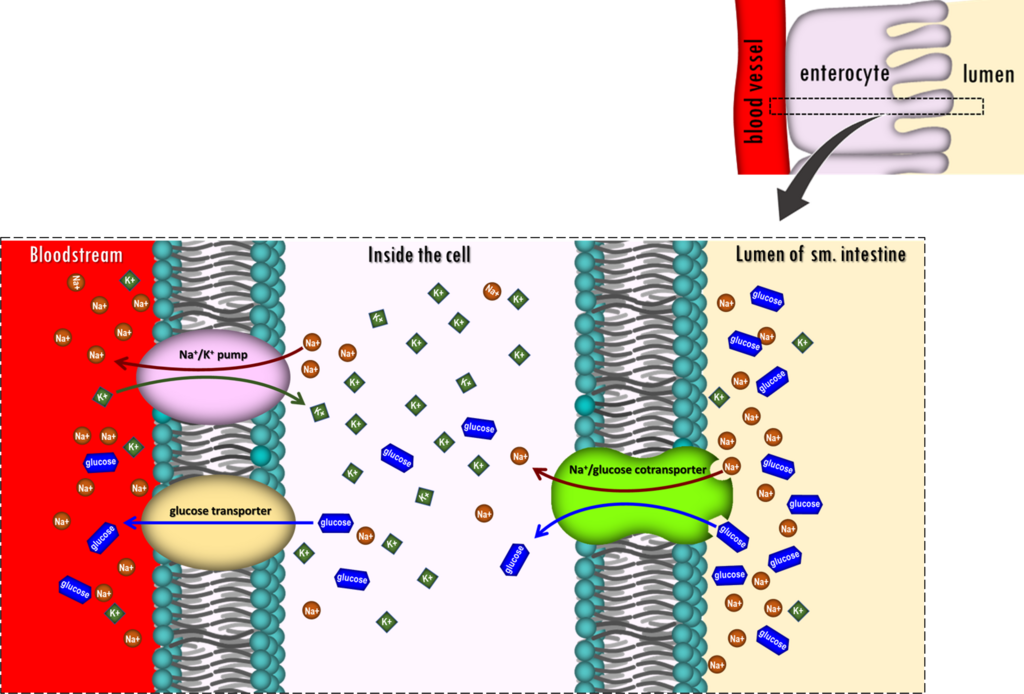
When you take a small dose of vitamin C, the SVCTs handle it easily. But as you increase the dose, you start to create a traffic jam. All the transporters become occupied, or saturated. Any additional vitamin C molecules are left waiting with no way to get into the bloodstream.
This saturation point creates an "absorption ceiling." No matter how much more standard oral vitamin C you consume, your plasma concentration levels hit a plateau at around 200–220 micromoles per liter (µM). The gates are full, and the rest is simply left behind.
More Isn't Always More
So what happens to all that unabsorbed vitamin C? The body has two ways of dealing with the excess. First, the vitamin C that does make it into the bloodstream but exceeds the body's immediate needs is quickly filtered out by the kidneys.
This process, known as , is the body's efficient way of managing water-soluble vitamins. Your kidneys act like a sophisticated filter, removing excess ascorbate from the blood and excreting it in urine. This ensures that plasma levels remain tightly controlled.
Second, the vitamin C left behind in the intestine causes its own problems. Because it's a water-soluble molecule, it attracts water through osmosis. This influx of water into your gut is what leads to the common gastrointestinal distress—like bloating, gas, and diarrhea—associated with high doses of standard vitamin C.
High doses of standard vitamin C lead to diminishing returns. As the dose goes up, the percentage your body can actually absorb and use goes down sharply.
| Oral Dose of Vitamin C | Bioavailability |
|---|---|
| 200 mg | ~98% |
| 500 mg | ~73% |
| 1,250 mg | <50% |
| 6,000 mg | ~20% |
| 12,000 mg | ~16% |
These physiological barriers—transporter saturation, a low plasma plateau, rapid kidney clearance, and gastrointestinal side effects—make it impossible to achieve higher, therapeutic concentrations of vitamin C through standard oral supplements. To bypass these limitations, a completely different delivery mechanism is needed.
Let's check your understanding of how the body handles vitamin C.
What are the specialized proteins in the small intestine responsible for transporting vitamin C into the bloodstream?
The term 'absorption ceiling' for vitamin C refers to the fact that:
Now that you understand the challenges of absorbing standard vitamin C, we can explore how to overcome them.