The Science of Light Reflection
Introduction to Light and Reflection
What Is Light?
Light is a form of energy. It travels through space in waves, similar to ripples on a pond but much, much faster. These waves are part of a larger family called the electromagnetic spectrum, which includes everything from radio waves and microwaves to X-rays and gamma rays. The light we see with our eyes is just a tiny slice of this vast spectrum.
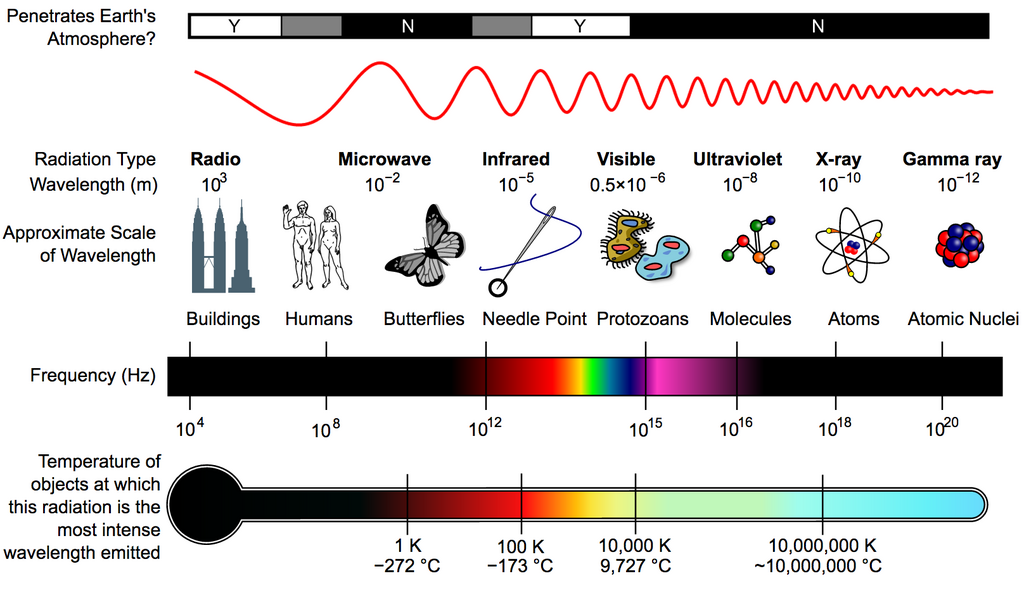
Each wave has a specific length. The length of a light wave determines its color. Red light has the longest waves we can see, while violet light has the shortest. When all the colors of visible light are combined, we see it as white light.
When Light Bounces
Light travels in straight lines until it hits something. When a light wave strikes the surface of an object, one of three things can happen: it can be absorbed (turned into heat), it can pass through (if the object is transparent), or it can bounce off. This bouncing is called reflection.
reflection
noun
The change in direction of a wavefront at an interface between two different media so that the wavefront returns into the medium from which it originated.
Without reflection, we wouldn't be able to see most of the world around us. We see a tree, a book, or a friend's face because light from a source like the sun or a lamp bounces off them and into our eyes. The object itself isn't producing the light; it's just reflecting it.
Nearly everything you see is just reflected light entering your eyes.
Two Kinds of Reflection
Not all surfaces reflect light in the same way. The texture of a surface determines how light bounces off it. This leads to two main types of reflection: specular and diffuse.
Specular reflection happens when light hits a smooth, polished surface like a mirror, a calm body of water, or a shiny piece of metal. When parallel light rays strike a smooth surface, they all reflect in the same direction, staying parallel. This is what allows you to see a clear image of yourself in a mirror.
Diffuse reflection occurs when light strikes a rough or uneven surface, like paper, wood, or clothing. Even though these surfaces might feel smooth to the touch, at a microscopic level they are very bumpy. When parallel light rays hit a rough surface, they reflect in many different directions. This scattering of light is why you can't see your reflection in a wall. Instead, the wall just appears lit.
Most objects in our environment are visible because of diffuse reflection. It allows us to see the object from any angle, because the reflected light scatters in all directions. If every surface caused specular reflection, the world would be a confusing place full of blinding glares and sharp reflections.
Let's check your understanding of these fundamental concepts.
What is the primary reason we can see an object that does not produce its own light, such as a book?
When parallel light rays strike a rough, uneven surface, they bounce off in many different directions. What is this phenomenon called?
Understanding how light behaves when it hits a surface is the first step in exploring the fascinating world of optics.