The Science of Life's Continuation
Introduction to Reproduction
The Blueprint of Life
One of the defining features of life is the ability to create more life. This process, called reproduction, ensures that species continue to exist from one generation to the next. It’s how organisms pass down their genetic blueprint, allowing life to persist and evolve over millions of years.
Reproduction
noun
The biological process by which new individual organisms—offspring—are produced from their parent or parents.
One Parent, Many Copies
Some organisms take a straightforward approach to reproduction. They do it all by themselves. This is called asexual reproduction, and it involves only one parent. The resulting offspring are genetically identical to that parent, essentially making them clones.
There are several ways this happens in nature. Single-celled organisms like bacteria and amoeba often reproduce through binary fission, where the parent cell splits into two identical daughter cells. Yeast, on the other hand, can reproduce by budding, where a new individual grows out from the parent's body. Many plants use vegetative propagation, growing new plants from parts of the parent plant, like stems or roots.
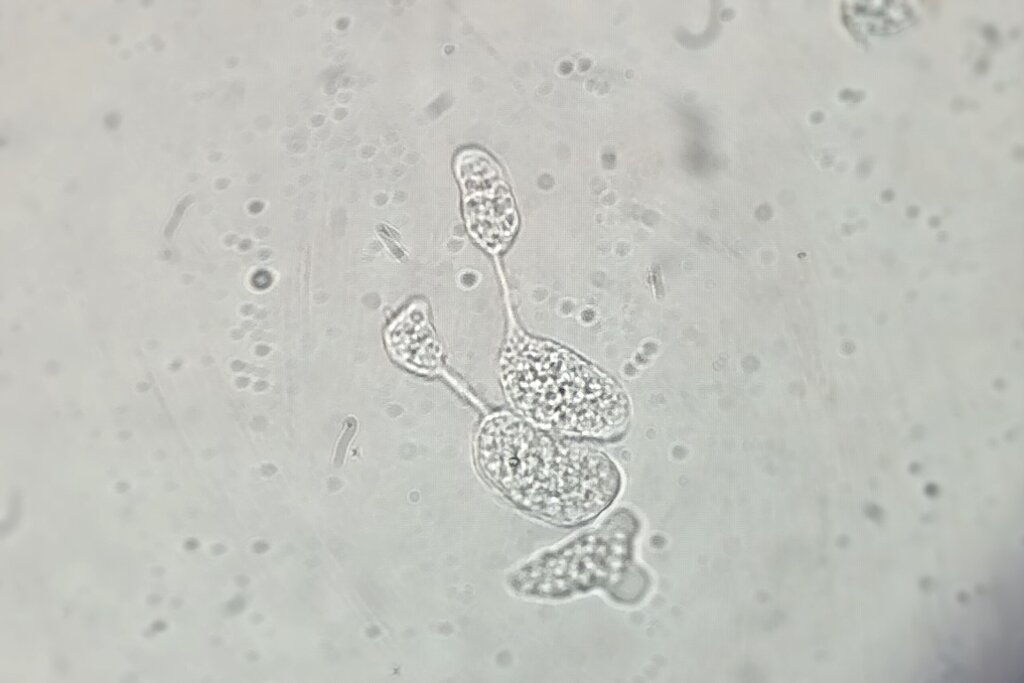
Asexual reproduction is fast and efficient. An organism doesn't need to find a mate, which saves time and energy. If the parent is well-suited to its environment, its identical offspring will be too. However, this lack of genetic variation can be a major disadvantage. If the environment changes, the entire population may be vulnerable because they all have the same traits.
Two Parents, New Combinations
The other main strategy is sexual reproduction, which requires two parents. Each parent contributes a special reproductive cell called a gamete. In animals, the male gamete is the sperm, and the female gamete is the egg. When these two gametes fuse in a process called fertilization, they form a new organism.
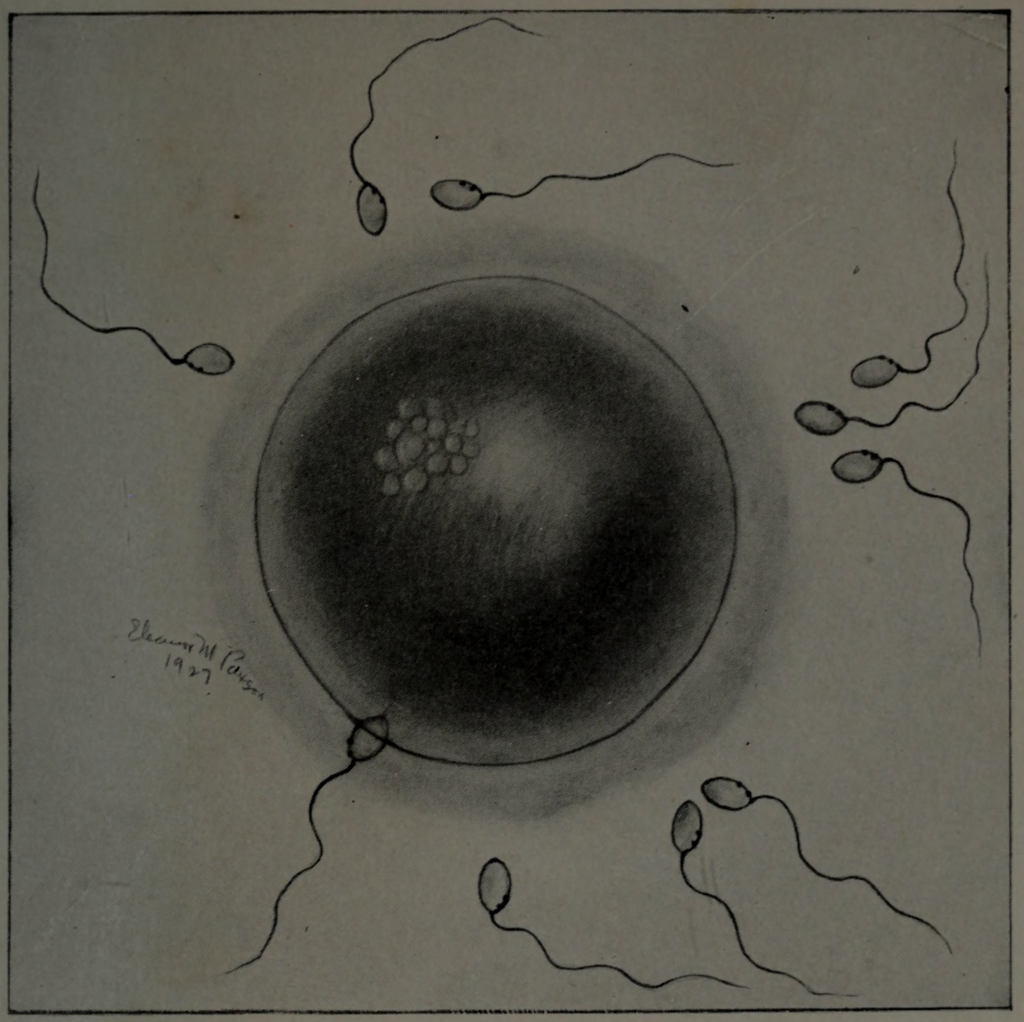
Unlike in asexual reproduction, the offspring from sexual reproduction are genetically unique. They inherit a mix of traits from both parents, creating new combinations of genes. This genetic diversity is the main advantage of sexual reproduction. It creates variation within a population, which is the raw material for natural selection and evolution. This variety increases the chance that some individuals will survive environmental changes, diseases, or new predators.
The downside is that sexual reproduction is often slower and requires more energy. Organisms must find and attract a mate, which can be a complex and competitive process.
Choosing a Strategy
So, which method is better? There's no single answer. The best strategy depends on the organism and its environment. Let's compare them side-by-side.
| Feature | Asexual Reproduction | Sexual Reproduction |
|---|---|---|
| Number of Parents | One | Two |
| Genetic Variation | Very little; offspring are clones | High; offspring are unique |
| Speed | Fast | Slow |
| Energy Cost | Low | High |
| Best Environment | Stable and unchanging | Changing and unpredictable |
Some organisms get the best of both worlds. Aphids, for example, reproduce asexually when conditions are good, allowing their population to grow rapidly. But when winter approaches or conditions become stressful, they switch to sexual reproduction to create genetic diversity, increasing the chances that their offspring will survive the new challenges.
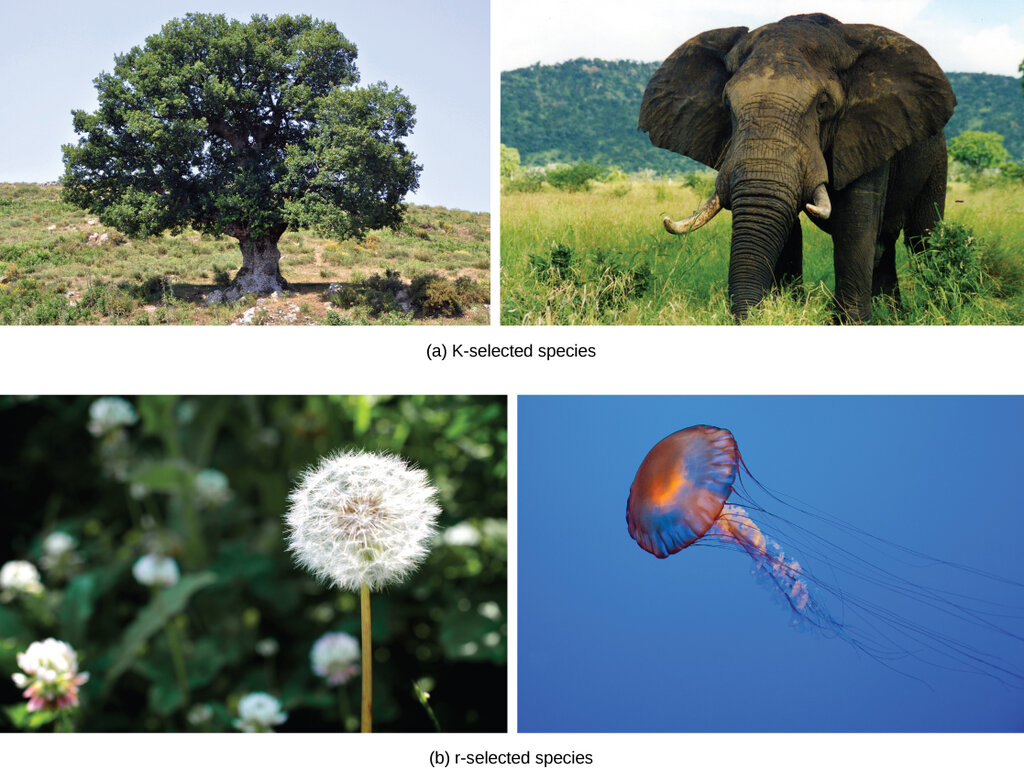
The diversity of reproductive strategies is vast. Some species, like elephants, produce very few offspring but invest a lot of time and energy into raising them. Others, like dandelions, produce thousands of seeds and hope that a few will land in a good spot to grow. Each strategy is an elegant solution to the fundamental challenge of continuing life.
What is the main advantage of sexual reproduction over asexual reproduction?
A single-celled amoeba splits into two identical new cells. This form of reproduction is known as: