The Science of Human Movement
Introduction to Kinesiology
What is Kinesiology?
At its core, kinesiology is the scientific study of human movement. It looks at how and why we move, from the simplest gesture to the most complex athletic feat. This field isn't just about sports; it examines every aspect of our physical activity, including daily tasks, work, and rehabilitation from injury.
Kinesiology
noun
The scientific study of human body movement. It addresses physiological, biomechanical, and psychological dynamic principles and mechanisms of movement.
To understand movement, kinesiologists pull from many different areas of science. They study anatomy to know the body's structure, physiology to understand how its systems function, and biomechanics to analyze the forces involved in motion. Psychology also plays a role, helping to explain the mental aspects of performance and motivation.
Why Study Movement?
Understanding how we move is fundamental to our health and well-being. The study of kinesiology helps us find ways to improve physical performance, whether that's an athlete trying to run faster or an older adult wanting to maintain their independence. It also provides the knowledge to prevent and treat injuries, design safer workplaces, and create effective exercise programs for people of all ages and abilities.
By examining the mechanics of movement, we can identify inefficient patterns that might lead to strain or injury. This knowledge allows professionals like physical therapists and athletic trainers to help people recover faster and move better. Essentially, studying movement is about learning how to keep our bodies functioning optimally throughout our lives.
How the Body Adapts
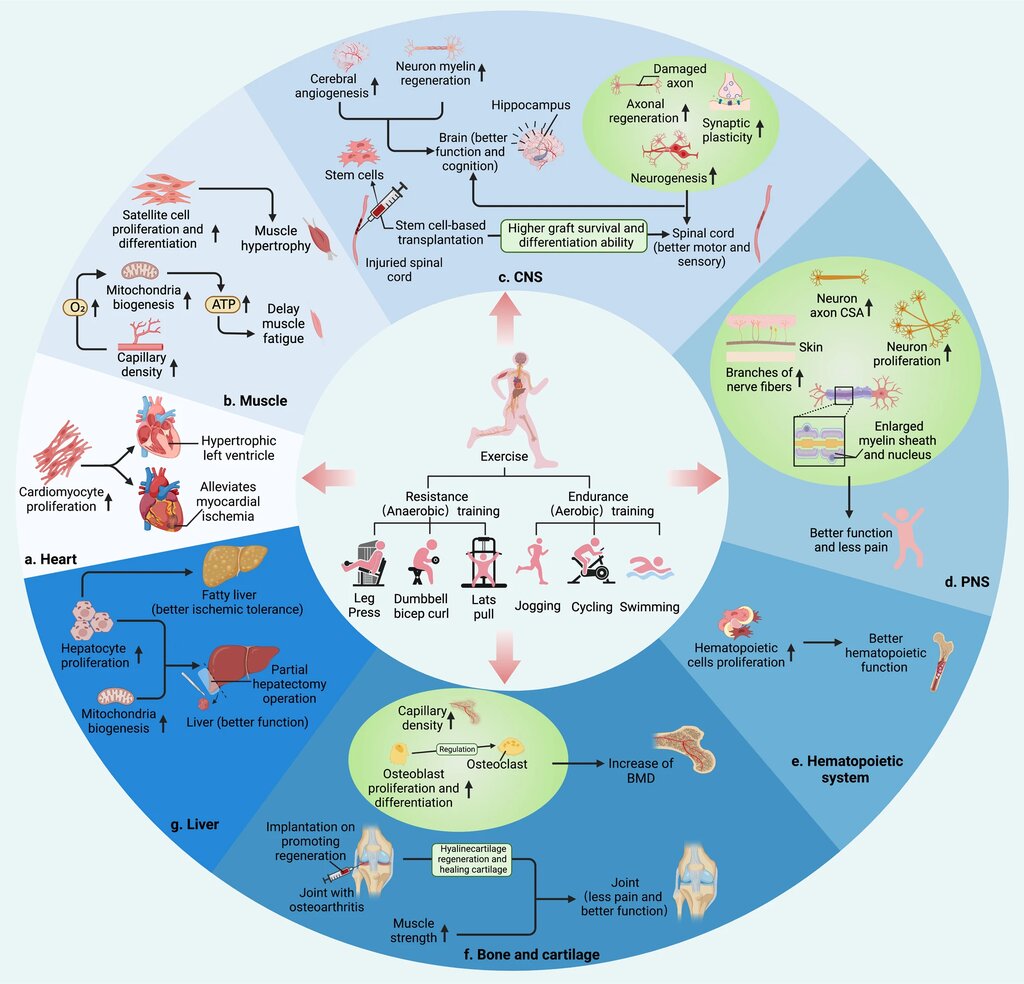
One of the most important principles in kinesiology is adaptation. Our bodies are incredibly dynamic and constantly change in response to the demands we place on them. When you exercise regularly, your body adapts to handle the stress. This is why lifting weights makes your muscles stronger and running improves your cardiovascular endurance. Your body is remodeling itself to be better prepared for the next challenge.
This principle of adaptation is often summarized as "use it or lose it." Tissues and systems that are regularly challenged will grow stronger, while those that aren't will weaken over time.
This adaptation isn't just happening in your muscles and bones. It's also happening in your brain. The concept of neuroplasticity describes the brain's amazing ability to reorganize itself by forming new neural connections. Every time you learn a new motor skill, like playing the guitar or swinging a tennis racket, you are rewiring your brain. The more you practice, the stronger and more efficient these neural pathways become.
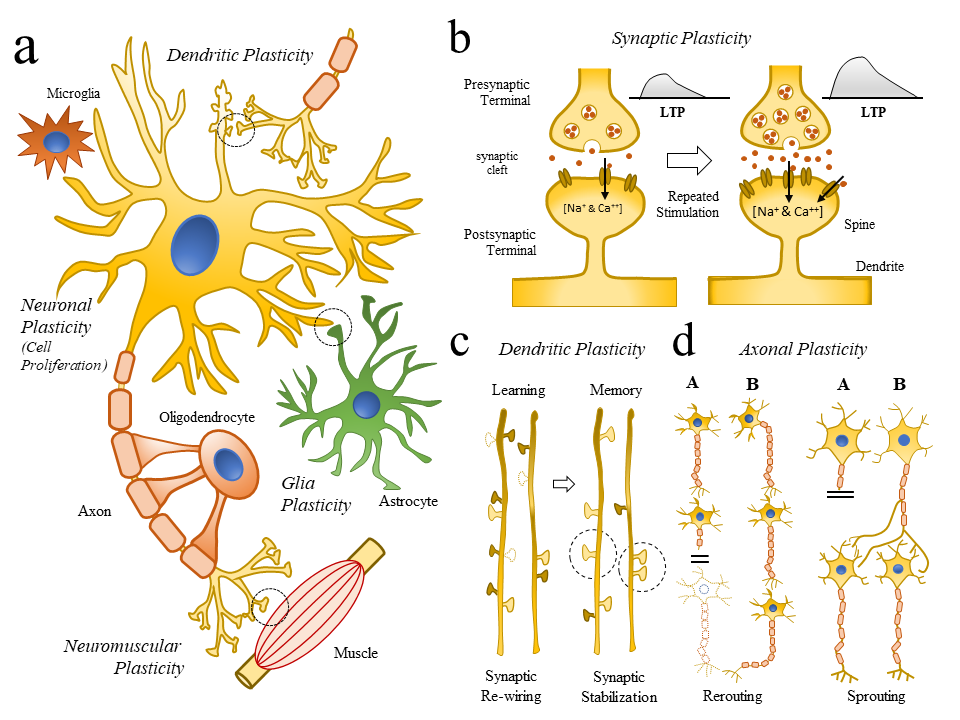
Practice strengthens the brain-body connection, making movements smoother, faster, and more automatic. This is why skills that feel clumsy at first can become second nature with enough repetition. You aren't just training your muscles; you're training your nervous system.
The Body's Smart Solutions
Have you ever thought about how many different ways you can pick up a glass of water? You could lift it by primarily using your shoulder, your elbow, or a combination of many small adjustments. This flexibility is due to a principle called motor redundancy.
Motor redundancy means that for any given movement goal, there are numerous ways the body can achieve it. Your nervous system has an abundance of choices for how to coordinate your muscles and joints.
This is an incredibly useful feature. It allows us to be adaptable. If one joint is stiff or injured, our brain can automatically find a different combination of movements to complete the task. Motor redundancy is also what allows us to perform tasks in various conditions, like writing on a piece of paper on a desk versus on a shaky clipboard. Your brain chooses the best strategy from many available options to get the job done efficiently and effectively.
Now, let's test your knowledge on these foundational concepts of kinesiology.
What is the core focus of kinesiology?
The brain's ability to reorganize itself and form new neural connections when learning a motor skill is known as neuroplasticity.
Understanding these core principles gives us a window into the incredible complexity and adaptability of the human body.