The Science of Happiness Positive Psychology
Introduction to Positive Psychology
A Different Kind of Psychology
For much of its history, psychology focused on what's wrong with us. It developed a rich understanding of mental illness, trauma, and dysfunction. While this work is incredibly important, it only tells half of the story. It's like studying a ship by only looking at the leaks. You learn a lot about what can go wrong, but very little about what makes it sail smoothly and reach its destination.
Positive psychology, on the other hand, asks a different set of questions. What makes people resilient? What gives life meaning? What helps communities and individuals thrive? It doesn't ignore hardship, but it shifts the focus to what makes life worth living.
Positive psychology is the scientific study of human flourishing.
This field scientifically examines the strengths and virtues that enable people to prosper. It's not about ignoring the negative, but about understanding and cultivating the positive aspects of human experience to build a more complete picture of what it means to be human.
Shifting the Focus
Traditional psychology has operated largely on a disease model. The goal is often to bring a person from a state of suffering, like depression or anxiety, back to a neutral baseline. If you think of a scale from -10 (suffering) to 0 (neutral) to +10 (flourishing), traditional therapy aims to get people from, say, -8 to 0.
Positive psychology works on the other side of that scale. It asks: How can we move from 0 to +8? It's concerned with taking someone who is feeling okay and helping them feel fantastic. It explores how to cultivate joy, engagement, and a sense of purpose.
| Traditional Psychology | Positive Psychology |
|---|---|
| Focus: Weakness, dysfunction, mental illness | Focus: Strengths, optimal functioning, well-being |
| Goal: Alleviate suffering, move from negative to neutral | Goal: Cultivate flourishing, move from neutral to positive |
| Key Question: What is wrong with people? | Key Question: What is right with people? |
These two approaches are not in conflict; they are complementary. A person might work with a therapist to manage anxiety (a traditional approach) while also learning mindfulness techniques to increase their daily joy (a positive psychology approach). Together, they provide a more holistic view of mental health.
Roots of the Movement
The ideas behind positive psychology are not entirely new. They have roots in humanistic psychology, a movement from the mid-20th century. Thinkers like Abraham Maslow and Carl Rogers pushed back against the field's focus on pathology. They emphasized concepts like self-actualization and the innate human potential for growth.
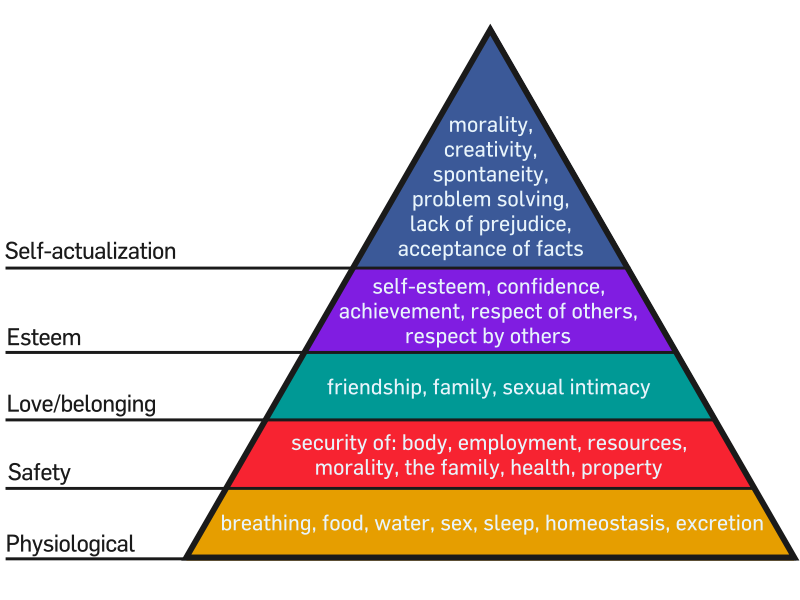
Maslow, for example, is famous for his Hierarchy of Needs, which suggests that once our basic needs for survival and security are met, we are driven by higher needs for belonging, esteem, and ultimately, self-actualization, or fulfilling our potential.
While humanistic psychology laid the groundwork, positive psychology established these ideas as a formal scientific discipline. In 1998, Martin Seligman, then president of the American Psychological Association, made it the central theme of his term. He challenged the field to develop a rigorous, evidence-based understanding of human flourishing, officially launching the modern positive psychology movement.
Building Blocks of a Good Life
So, what does positive psychology actually study? Two of the core areas are positive emotions and character strengths.
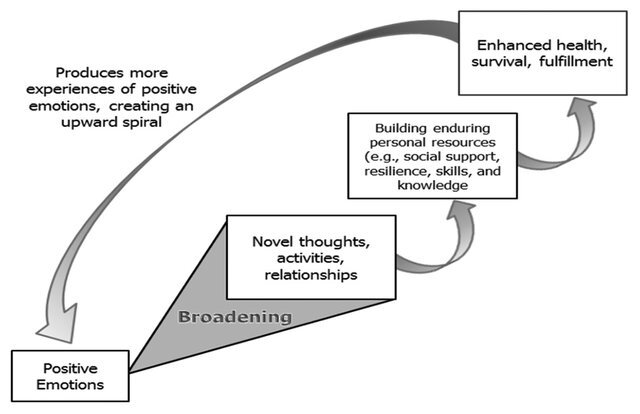
Positive emotions are more than just fleeting moments of happiness. Research shows that emotions like joy, gratitude, contentment, and hope do more than just feel good. They can actually broaden our perspective and build lasting personal resources, like social connections and resilience. This is known as the "Broaden-and-Build Theory," developed by Barbara Fredrickson.
Character strengths are the positive traits that make up our personality, things like curiosity, kindness, bravery, and creativity. Positive psychology has identified and classified 24 core strengths that are valued across cultures. The idea is that we all possess these strengths in different degrees. Understanding and using our top strengths, known as our "signature strengths," is a key pathway to a more engaged and fulfilling life. Rather than trying to fix our weaknesses, this approach encourages us to lean into what we already do well.
flourishing
verb
The state of experiencing positive emotions, positive psychological functioning, and positive social functioning, most of the time.
Studying these elements helps us understand the components of a well-lived life. It gives us a framework for moving beyond simply surviving and toward thriving.
According to the text, what is the primary goal of traditional psychology, operating on a 'disease model'?
Which historical movement is described as laying the groundwork for positive psychology by emphasizing concepts like self-actualization and human potential?
By focusing on what goes right, positive psychology offers valuable insights and tools for improving our well-being and fulfilling our potential.