The Science of Genetics
Introduction to Genetics
The Science of Heredity
Have you ever wondered why you have your mother's eyes or your father's smile? The answer lies in genetics, the study of genes and heredity. Heredity is the process of passing traits from parents to their children. It’s the reason family members often share similar characteristics.
Genetics
noun
The branch of biology concerned with the study of genes, genetic variation, and heredity in organisms.
Think of it like a family recipe that's been handed down through generations. Each family has its own unique set of recipes that make them who they are. In biology, these “recipes” are called genes. Genes are the basic units of heredity, and they carry the specific instructions for building and operating a living thing.
DNA The Blueprint of Life
These genetic instructions are stored in a remarkable molecule called DNA, short for deoxyribonucleic acid. DNA is like a detailed blueprint or a comprehensive instruction manual for an organism. It contains all the information needed for a living thing to grow, survive, and reproduce.
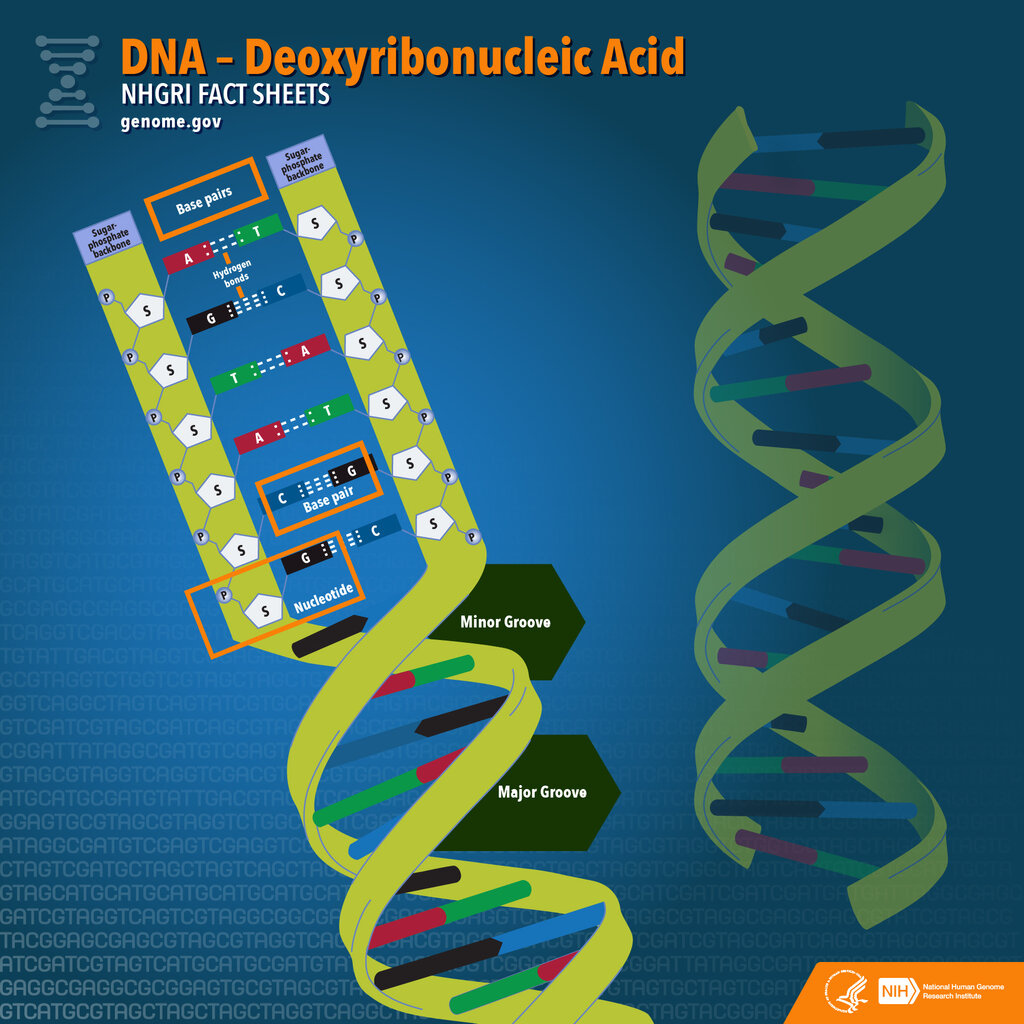
Every cell in your body contains a complete copy of this blueprint. When living things reproduce, they pass copies of their DNA to their offspring. This is how traits are transferred from one generation to the next. This passing of DNA is the foundation of heredity.
How Traits Are Inherited
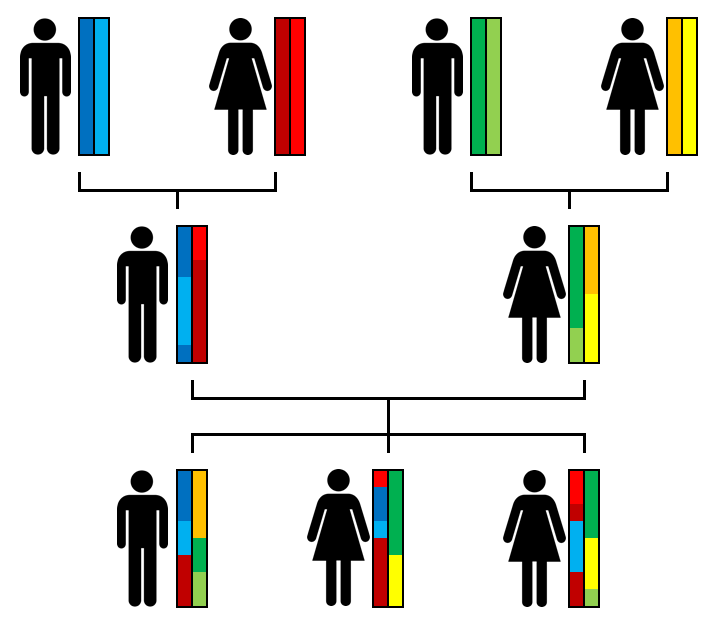
So, how exactly does this inheritance work? For most traits, you receive a combination of genes from both of your parents. You get one set of genes from your mother and another set from your father. The combination of these genes determines your unique traits.
This mixing of genetic material is why you are a unique blend of your parents, sharing some traits with each, but not being an exact copy of either one.
This fundamental principle was first discovered by a monk named Gregor Mendel in the 19th century. By studying pea plants, he figured out that traits are passed down in predictable patterns. He realized that offspring inherit distinct units, which we now call genes, from their parents.
The way these genes combine can lead to different outcomes. Sometimes one version of a gene is more influential than another, and sometimes traits are influenced by many genes working together. This elegant system creates the incredible diversity of life we see all around us.
Understanding these basics is the first step into the fascinating world of genetics. It's a field that helps us understand not only why we look the way we do, but also explains the origins of many diseases and the very history of life on Earth.