The Science of Food
Introduction to Food Science
What Is Food Science?
You've probably never thought much about the journey your food takes before it ends up on your plate. It's more than just farming and cooking. Food science is the field that studies everything about food, from its basic physical and chemical properties to how we process, preserve, and package it.
Think of it as the application of science and engineering to ensure our food is safe, nutritious, and appealing. It covers the entire process, from the moment a crop is harvested or an animal is processed, all the way to when you're taking your first bite. This field tackles big questions: How do we keep milk fresh? What makes bread rise? Why does an apple turn brown, and how can we stop it?
food science
noun
The study of the physical, biological, and chemical makeup of food; the causes of food deterioration; and the concepts underlying food processing.
A Quick Look Back
Food science isn't new. For centuries, people have used scientific principles without calling them that. Methods like salting meat, fermenting cabbage to make kimchi, and sun-drying fruits were all early forms of food preservation based on observation and experimentation.
The field truly began to formalize in the 19th century. In the early 1800s, Nicolas Appert, a French confectioner, invented canning as a way to preserve food for Napoleon's army. A few decades later, Louis Pasteur's work on pasteurization showed how heat could kill harmful microbes in milk and wine, revolutionizing food safety.
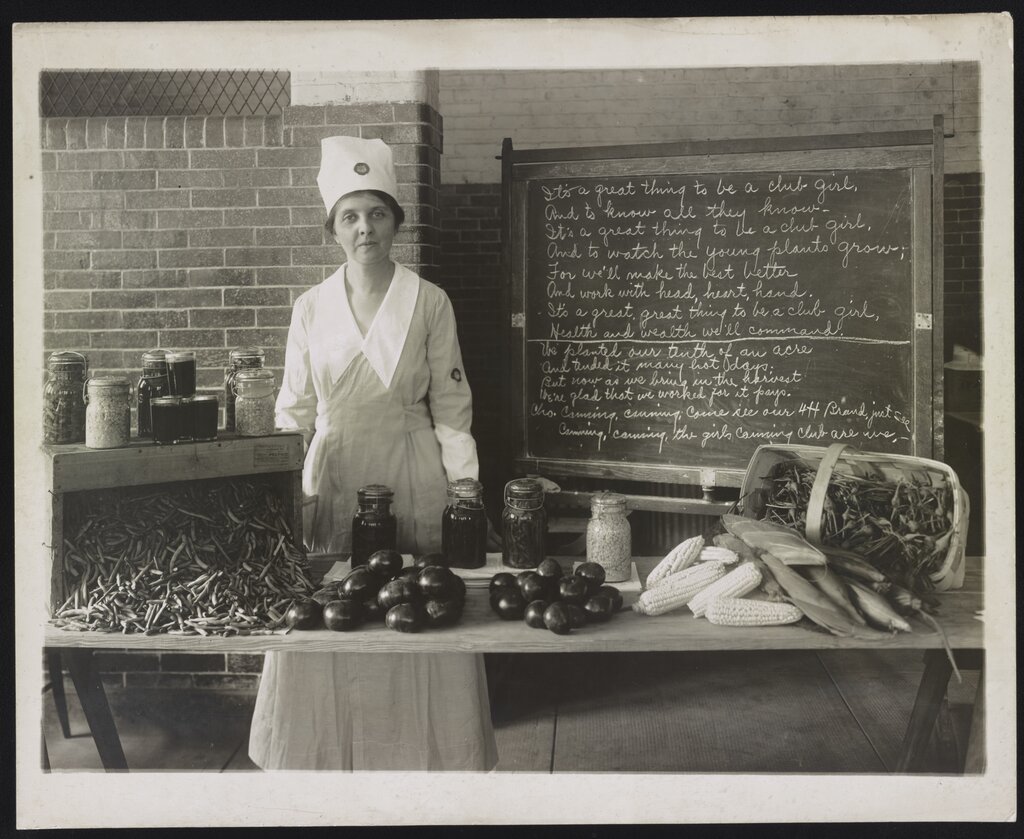
These breakthroughs marked a shift from traditional food handling to a systematic, science-based approach. Governments started to get involved, creating agencies to oversee food safety and establish nutritional guidelines, recognizing the massive impact of food on public health.
A Mix of Sciences
Food science isn't a single discipline; it's a blend of many. To understand food, you need to be part chemist, part microbiologist, and part engineer.
Let's break down how these fields contribute.
Food Chemistry looks at the molecules in food and how they interact. It explains why steak gets its savory flavor when seared (the Maillard reaction), why oil and water separate in salad dressing, and what gives different fruits their unique colors and aromas. Chemists figure out how to improve taste, texture, and nutritional content.
Food Microbiology deals with the tiny living organisms in our food. Some are helpful, like the yeast that makes bread dough rise or the bacteria that turn milk into yogurt. Others are harmful pathogens, like Salmonella or E. coli, that can cause foodborne illness. Microbiologists develop ways to encourage the good microbes and eliminate the bad ones.
Food Engineering applies principles of physics and engineering to design the processes and equipment used in large-scale food production. This includes everything from developing more efficient ovens for bakeries to designing packaging that keeps chips crispy and cereal from going stale.

These fields work together. A food scientist might use chemistry to formulate a new low-fat ice cream, microbiology to ensure it's free of harmful bacteria, and engineering to figure out how to produce millions of gallons of it consistently.
From Lab to Lunchbox
So, what do food scientists actually do? They play a crucial role in every corner of the food industry. They work in research and development, creating new food products or improving existing ones. They manage quality control in processing plants, making sure every batch of product meets safety and quality standards.
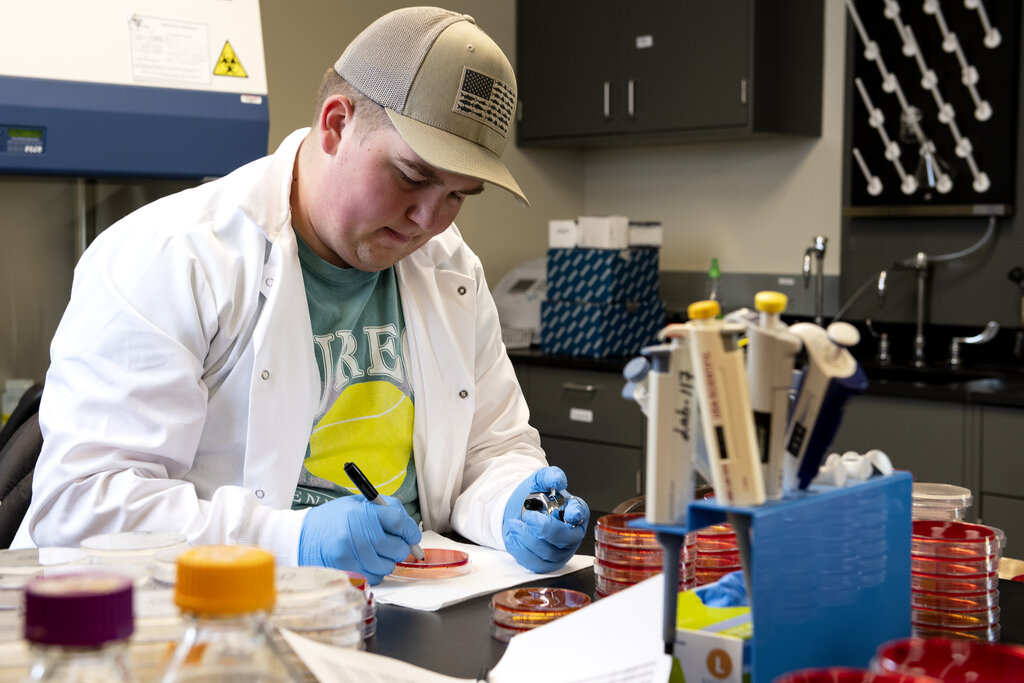
The ultimate goal is to provide a food supply that is safe, abundant, and nutritious. Food safety is paramount. Every year, millions of people get sick from contaminated food. Food scientists work to prevent this by identifying potential hazards and creating systems to control them, from the farm to the supermarket shelf.
Quality is just as important. This means ensuring food not only is safe but also tastes good, has a desirable texture, and retains its nutritional value. Nobody wants to eat cereal that's mushy or a canned soup that tastes metallic.
By blending different scientific disciplines, food science ensures that the food we rely on every day is not just edible, but safe, enjoyable, and wholesome.
Time to check what you've learned.
What is the primary focus of food science?
A food company wants to create packaging that keeps potato chips from becoming stale or crushed. Which branch of food science would primarily handle this challenge?