The Science of Food Absorption and Nutrition
Introduction to Human Nutrition
What Is Nutrition?
Think of your body as a high-performance machine. Like any machine, it needs the right kind of fuel and materials to run smoothly, grow, and repair itself. Nutrition is the science of how the food you eat provides that fuel and those materials. The specific substances in food that your body needs are called nutrients.
Every single thing your body does, from blinking your eyes to running a marathon, requires nutrients. They provide the energy for your daily activities, the building blocks for new cells, and the essential components for countless chemical reactions that keep you alive and healthy. Without proper nutrition, our bodies can't function at their best.
The Big Three Macronutrients
Nutrients are often split into two main groups. The first is macronutrients, which your body needs in large amounts. There are three of them: carbohydrates, proteins, and fats.
Macronutrients are the body's primary sources of energy and the raw materials for growth and repair.
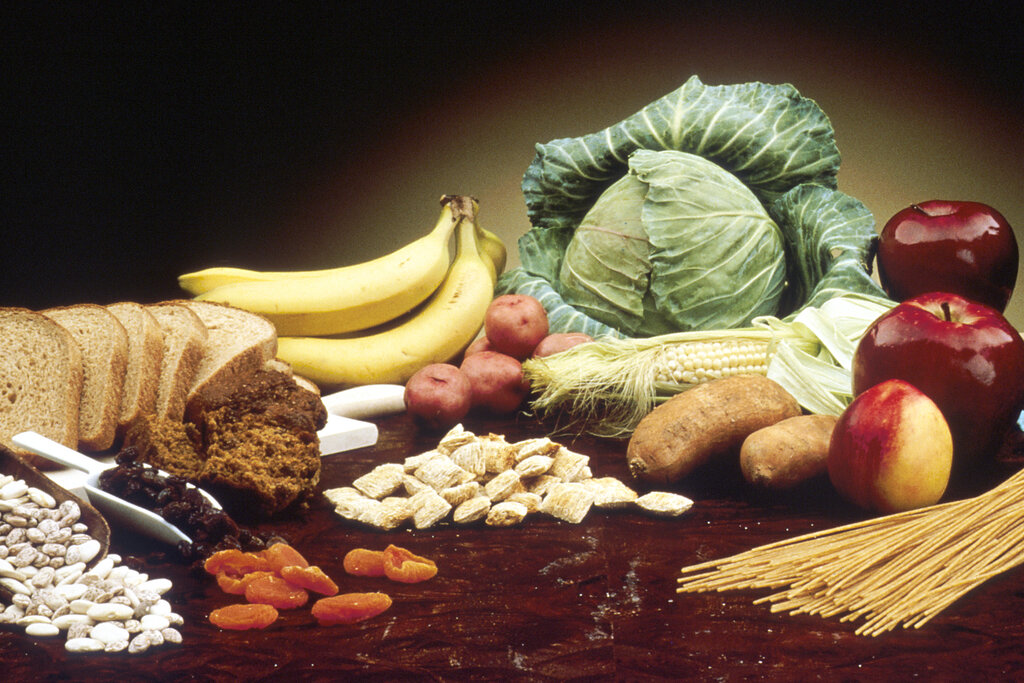
Carbohydrates are your body's main fuel source. When you eat carbs from foods like bread, pasta, fruits, and vegetables, your body breaks them down into glucose, a type of sugar. This glucose travels through your bloodstream and provides immediate energy for your cells, especially for your brain and muscles.
Proteins are the primary building blocks of the body. They are essential for building and repairing tissues, like muscles and skin. Proteins also play a vital role in making enzymes, which speed up chemical reactions, and hormones, which act as chemical messengers. You can find protein in foods like meat, fish, eggs, beans, and nuts.
Fats are another crucial energy source, but they also have other important jobs. They help your body store energy for later, insulate you to keep you warm, and protect your vital organs. Fats are also necessary to help you absorb certain vitamins. Healthy fats are found in foods like avocados, nuts, seeds, and olive oil.
The Mighty Micronutrients
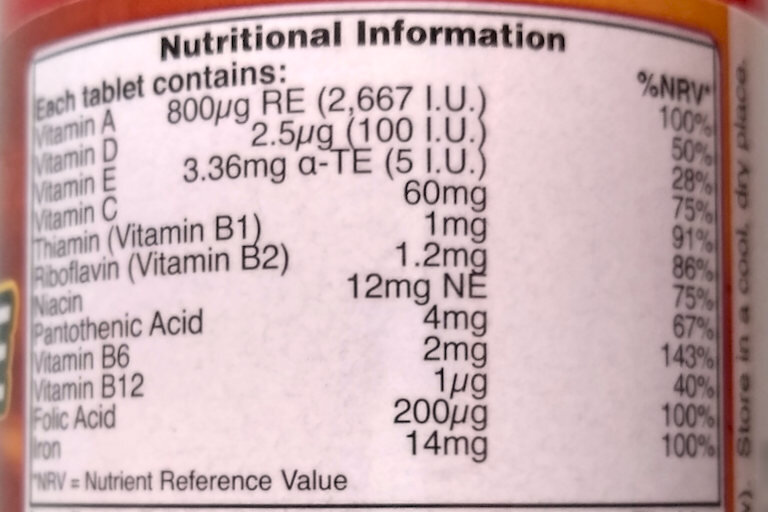
The second group of nutrients is micronutrients. As the name suggests, your body only needs them in small amounts, but they are absolutely essential for good health. The two types of micronutrients are vitamins and minerals.
Vitamins are organic compounds that help with a wide range of bodily functions. For example, Vitamin C is crucial for your immune system, while B vitamins help your body extract energy from food. There are 13 essential vitamins your body needs, each with a specific job.
Minerals are inorganic elements that are just as important. They contribute to body structures and processes. Calcium, for example, is famous for building strong bones and teeth, while iron is essential for creating red blood cells that carry oxygen throughout your body.
Putting It All Together
So, how do you make sure you're getting all these essential nutrients? The key is a balanced diet. This doesn't mean eating a precise amount of each nutrient at every meal. It means eating a wide variety of foods over time.
By including a mix of fruits, vegetables, whole grains, lean proteins, and healthy fats in your diet, you provide your body with the diverse range of macronutrients and micronutrients it needs to thrive. Each food has a unique nutrient profile, so variety is your best strategy for covering all your bases.
A balanced diet should include macronutrients (proteins, carbohydrates, and fats) in the right proportions, along with essential micronutrients such as calcium, iron, vitamin D, and folate.
Understanding these fundamentals is the first step toward making informed choices about the food you eat and building a foundation for lifelong health.