The Science of Food
Introduction to Food Science
What Is Food Science?
Ever wonder why apples turn brown after you slice them, or how yogurt gets its tangy flavor? The answers lie in food science. It's the field dedicated to understanding the physical, biological, and chemical nature of food. Food scientists study what happens to food when we grow it, harvest it, process it, and store it.
This isn't just about cooking. It’s a deep dive into the very makeup of what we eat. By understanding food at a molecular level, we can improve its taste, make it last longer on the shelf, and ensure it's safe to eat. It's the science behind the food system, from the farm all the way to your fork.

A Mix of Many Fields
Food science isn't a standalone subject; it borrows from many other scientific disciplines. To really understand food, you need to be a bit of a chemist, a biologist, and an engineer all at once.
-
Chemistry helps explain how food changes during cooking. It's the reason bread dough rises when baked and why grilling a steak creates those delicious flavors through a process called the Maillard reaction.
-
Biology, especially microbiology, is crucial for understanding the role of microorganisms in food. It explains fermentation, which gives us cheese, yogurt, and sourdough bread. It also helps us fight the harmful bacteria that cause food poisoning.
-
Engineering principles are used to design the equipment and processes needed to produce food on a large scale. This includes creating machines that can package delicate potato chips without crushing them or developing methods to pasteurize milk safely and efficiently.
Together, these fields help solve practical problems, like creating a gluten-free bread with the right texture or developing a sports drink that effectively hydrates athletes.
Why It Matters
Food science plays a massive role in our daily lives, influencing public health and shaping the food industry. Its primary goal is to provide a safe, nutritious, and abundant food supply.
One of the most critical aspects is food safety. Food scientists develop methods to prevent contamination and the growth of harmful microbes, drastically reducing the risk of foodborne illnesses. They establish guidelines for handling, processing, and storing food to keep it safe for consumption.
Nutrition is another key area. Scientists work on ways to preserve the vitamins and minerals in food during processing. They also develop fortified foods, like milk with added Vitamin D or salt with iodine, to help combat nutrient deficiencies in the population.
Finally, food science drives quality and innovation. It's responsible for the consistent taste of your favorite brand of juice and the creamy texture of ice cream. It also leads to the creation of new food products that meet changing consumer needs, such as plant-based meats or low-sugar snacks.
The Building Blocks of Food
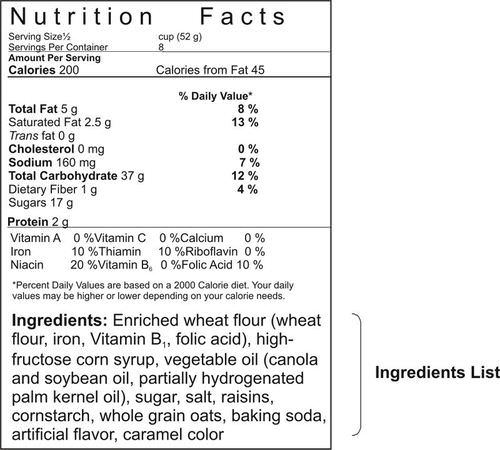
All foods are made up of a few basic components. Understanding these building blocks is the first step in food science. The main components are macronutrients (carbohydrates, proteins, and lipids) and micronutrients (vitamins and minerals).
| Component | Role in the Body | Common Food Sources |
|---|---|---|
| Carbohydrates | Main source of energy | Bread, pasta, fruits, vegetables |
| Proteins | Build and repair tissues | Meat, fish, beans, nuts |
| Lipids (Fats) | Store energy and absorb vitamins | Oils, butter, avocados, nuts |
| Vitamins | Help with various body functions | Fruits, vegetables, dairy |
| Minerals | Essential for health (e.g., bones) | Dairy, leafy greens, meat |
The way these components are arranged and how they interact with each other determines a food's texture, taste, and how it behaves when you cook it. For instance, the protein in egg whites completely changes its structure when heated, turning from a clear liquid into a white solid.
Now you have a basic grasp of what food science is all about. Let's test your knowledge.
Which scientific discipline is most directly responsible for understanding fermentation, the process that creates yogurt and sourdough bread?
The delicious browning and flavor development that occurs when you grill a steak is a classic example of what chemical process?