The Science of Fermentation
Introduction to Fermentation
The Power of Microbes
Chances are you've eaten or drank something today that was created through fermentation. From the sourdough bread in your sandwich to the yogurt in your smoothie, this natural process is a cornerstone of how we make and preserve food. But what is it, exactly?
Fermentation is a metabolic process where tiny living organisms, like bacteria and yeast, convert sugars into other substances like acids, gases, or alcohol.
Think of these microorganisms as microscopic chefs. They consume the natural sugars present in ingredients like flour, milk, or grapes. In the absence of oxygen, they break down these sugars to create energy for themselves. Their byproducts, or "waste," are what transform the original food, giving it new flavors, textures, and a longer shelf life.
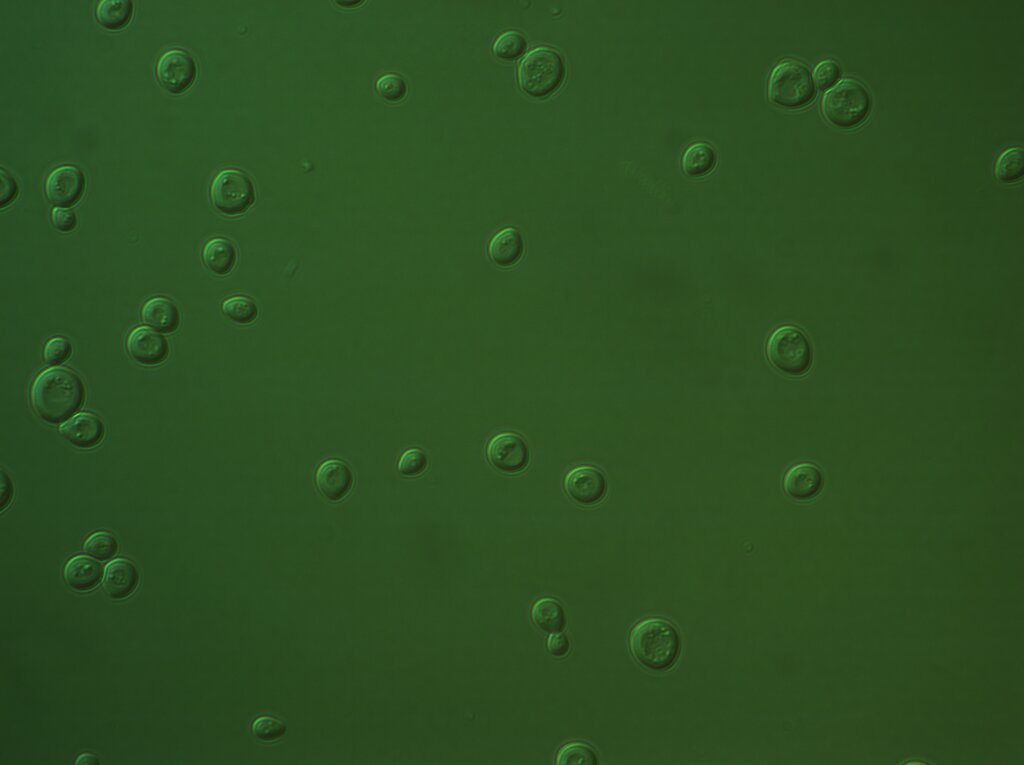
This transformation is everywhere. The carbon dioxide gas released by yeast makes bread light and airy. The lactic acid produced by bacteria gives yogurt and sauerkraut their characteristic tangy flavor.
An Ancient Kitchen Staple
Long before refrigerators or canning, our ancestors relied on fermentation to keep food from spoiling. By encouraging beneficial microbes to grow, they created an environment where harmful, spoilage-causing microbes couldn't survive. The alcohol in wine and beer, and the acidity in pickled vegetables and cheese, are natural preservatives.
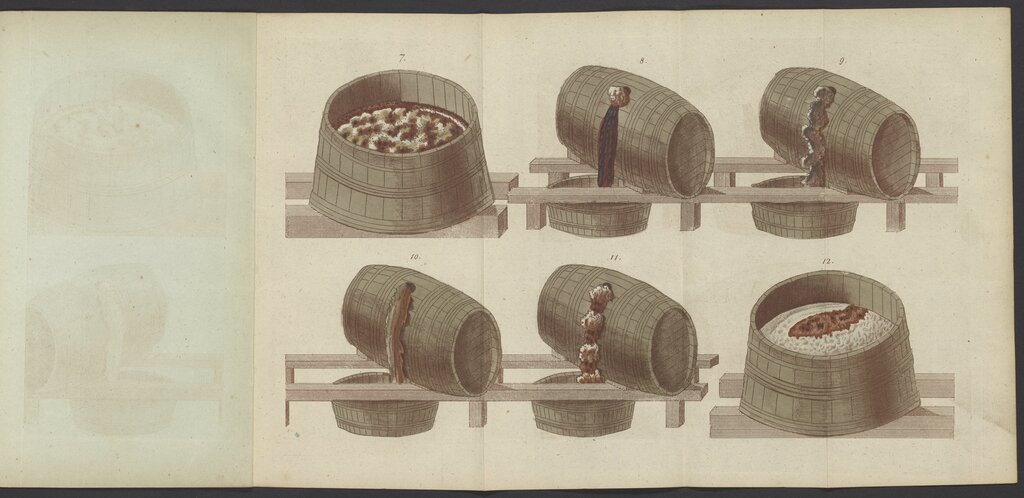
This wasn't just about survival; it was also about flavor. Fermentation unlocks complex and delicious tastes that wouldn't exist otherwise. The sharp, nutty notes in an aged cheese and the savory depth of soy sauce are all thanks to the hard work of these invisible organisms.
Fermentation Beyond the Kitchen
The same basic process that gives us kimchi and kefir is also a powerhouse in modern biotechnology. Scientists have harnessed the metabolic talents of microbes to produce a vast range of useful substances.
| Industry | Fermentation Product | Application |
|---|---|---|
| Energy | Biofuels (like ethanol) | A renewable alternative to gasoline |
| Medicine | Pharmaceuticals (like penicillin) | Antibiotics to fight bacterial infections |
| Manufacturing | Enzymes (like cellulase) | Used in laundry detergents to break down stains |
By selecting specific microbes and carefully controlling their environment, we can direct fermentation to create life-saving medicines, sustainable fuels, and powerful industrial chemicals. It’s a testament to how a process discovered thousands of years ago continues to shape our world in new and innovative ways.
Ready to check your understanding? Let's see what you've learned about the fundamentals of fermentation.
What is the primary role of microorganisms like yeast and bacteria in the fermentation process?
Historically, fermentation was crucial for food preservation because its byproducts created an environment where harmful microbes could not survive.
From preserving food to producing fuel, fermentation is a simple but incredibly powerful natural process.