The Science of Exploding Trees in Extreme Cold
Tree Physiology
The Tree's Plumbing System
Think of a tree as a tall building. To get water from the basement to the top floor, you need a plumbing system. Trees have their own version, a network of specialized tissues that transport water, minerals, and sugars. This network is made of two main parts: xylem and phloem.
Xylem
noun
A type of transport tissue in vascular plants that transports water and dissolved minerals from the roots to the rest of the plant. It also provides physical support.
Xylem is like the water pipes. It's a series of hollow, dead cells that form continuous tubes from the roots all the way up to the leaves. Its job is a one-way street: move water and nutrients up.
Phloem
noun
The vascular tissue in plants that conducts sugars and other metabolic products downward from the leaves.
Phloem is the other half of the system. It transports the sugars produced during photosynthesis in the leaves to other parts of the tree that need energy, like the roots, fruits, and growing tips. Unlike the xylem, phloem cells are alive and the flow can go in multiple directions, wherever energy is needed.
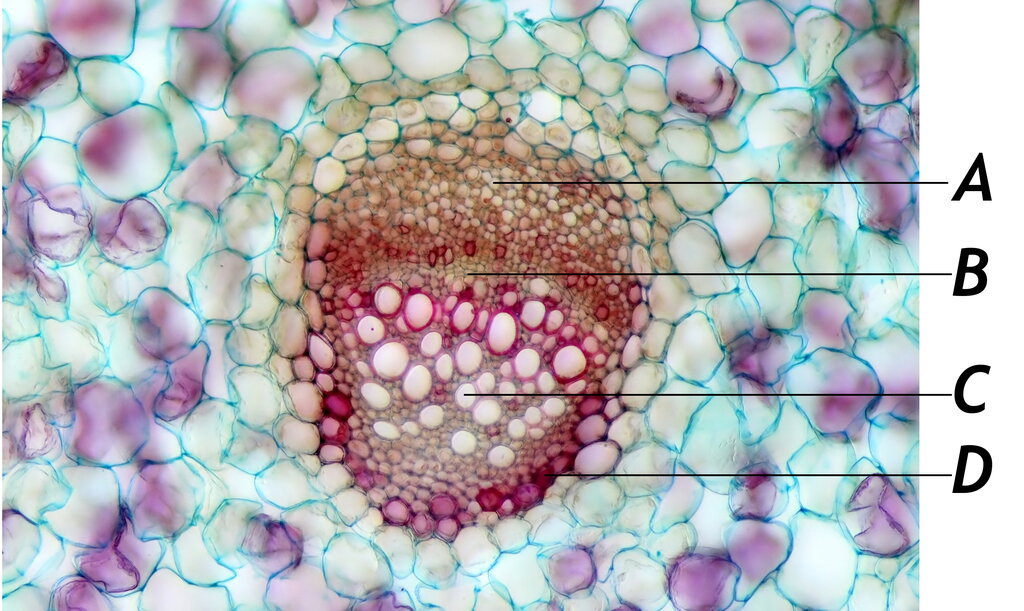
How Water Travels Up
So how does a tree get water from its roots to leaves hundreds of feet in the air, seemingly defying gravity? It’s not a pump, but a pull. The process is called transpiration, and it's powered by the sun.
Water evaporates from the surfaces of leaves through tiny pores. As one water molecule evaporates, it pulls the next one up, and so on, creating a continuous chain of water moving up the xylem. This pull is possible because water molecules are sticky.
Two key properties of water make this upward journey possible:
- Cohesion: Water molecules stick to each other.
- Adhesion: Water molecules stick to the walls of the xylem tubes.
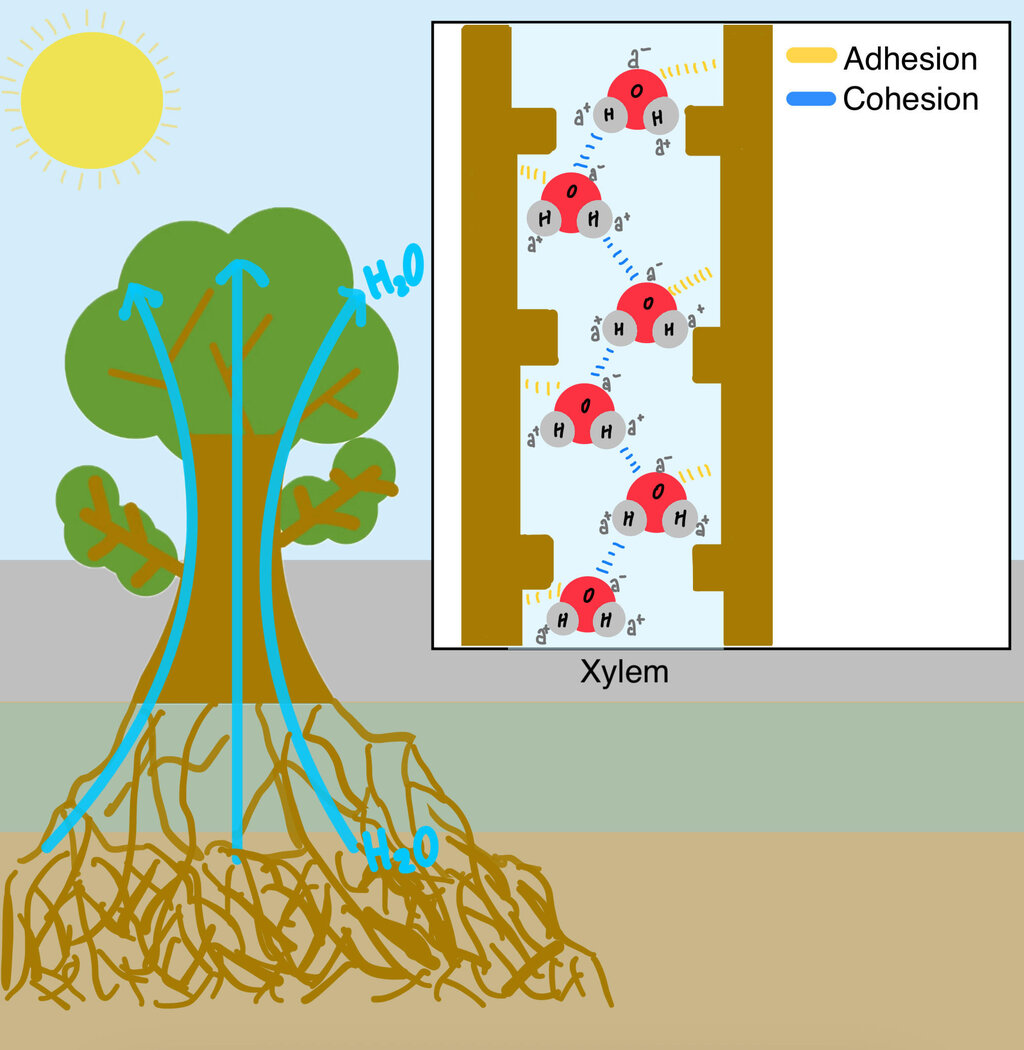
This combined effect creates an unbroken column of water, pulled from the ground up through the tree. The whole system is remarkably efficient. The tiny pores on the leaves that release water vapor are called stomata.
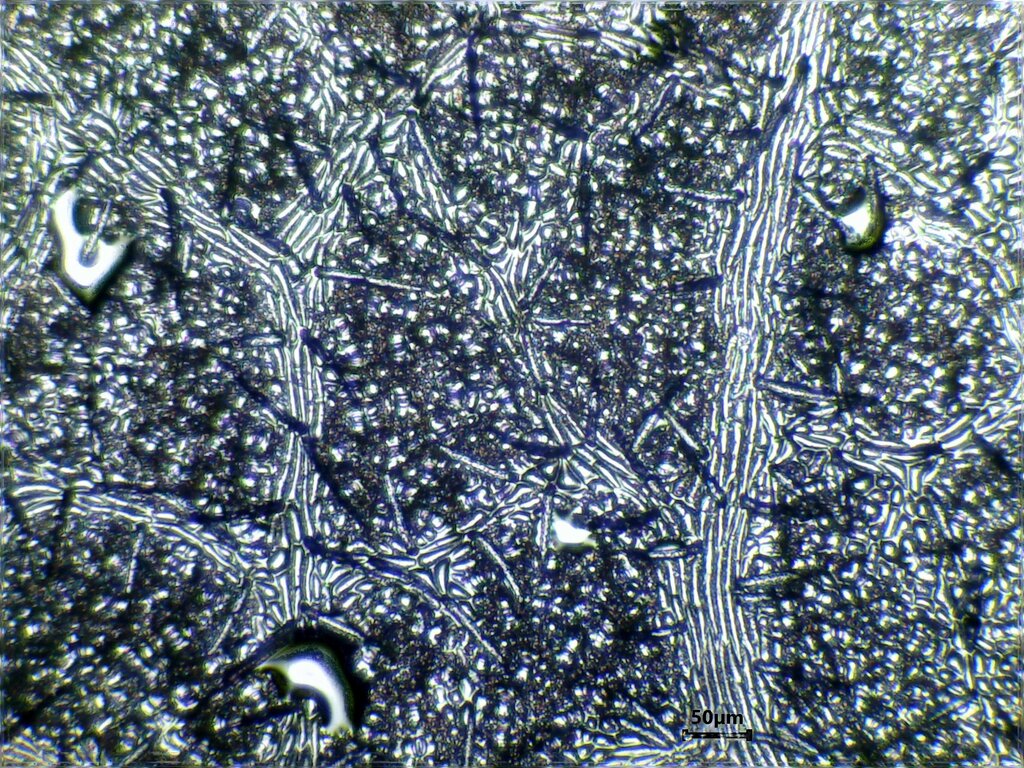
A Look Inside the Cells
All of these processes happen at the cellular level. Tree cells have a few key features that are crucial for their survival and function. The most important is the cell wall.
The cell wall, made of rigid cellulose, provides structural support. It’s what keeps trees standing tall and gives wood its strength. Inside the wall is the cell membrane, which controls what enters and leaves the cell.
A large portion of a mature plant cell is taken up by the central vacuole. This sac holds water and helps maintain pressure against the cell wall, known as turgor pressure. When a plant has enough water, its cells are turgid and firm. If it loses too much water, the cells lose this pressure and the plant wilts.
Ready to check your understanding of how trees work?
What is the primary function of phloem tissue in a tree?
The process of water moving up the xylem and evaporating from the leaves is called _______.
Understanding this internal transportation system and the cellular structures that support it is the first step in learning how trees survive and respond to their environment.