The Science of Dreams
Sleep Stages
The Journey of Sleep
Falling asleep isn't like flipping a switch. It's more like a journey down a spiral staircase, with each step taking you into a different state of rest. Throughout the night, your brain cycles through two main types of sleep: non-rapid eye movement (NREM) sleep and rapid eye movement (REM) sleep. A full cycle through these stages typically takes about 90 minutes, and you'll repeat this journey several times before your alarm goes off.
Non-REM Sleep
Most of your sleep time is spent in NREM sleep, which is divided into three distinct stages. As you progress through them, you drift into deeper and deeper rest.
Stage 1 (N1) is the transition period between wakefulness and sleep. It's a very light sleep. Your muscles relax, your heart rate and breathing begin to slow down, and your brain waves start to change. You might experience sudden muscle twitches, sometimes called hypnic jerks. This stage usually lasts only a few minutes.
Next is Stage 2 (N2). You spend about half of your total sleep time in this stage. Your body temperature drops, and your heart rate and breathing become even more regular. Your brain activity slows, but it's marked by brief bursts of electrical activity called sleep spindles and larger waves called K-complexes. These are thought to help protect your sleep by quieting the brain and aiding in memory consolidation.
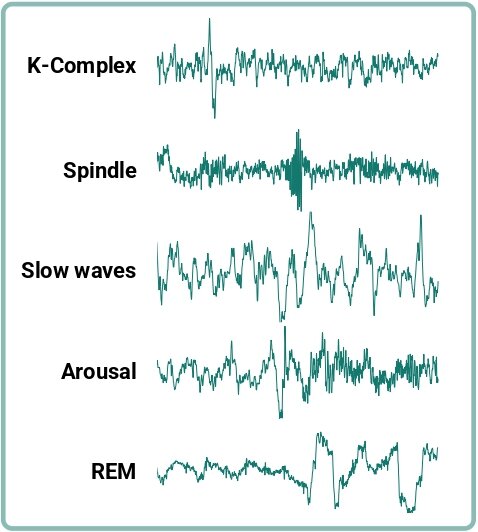
Finally, you enter Stage 3 (N3), also known as deep sleep or slow-wave sleep. This is the most restorative stage. Your heartbeat and breathing are at their lowest levels, and your muscles are completely relaxed. Your brain produces large, slow brain waves called delta waves. It's very difficult to wake up from this stage, and if you are, you'll likely feel groggy and disoriented for a while.
Stage 3 NREM sleep is otherwise known as deep sleep, because experts believe it to be the most critical stage for regenerating your body and brain.
During deep sleep, your body works on physical repairs, growing and repairing tissues, building bone and muscle, and strengthening the immune system.
REM Sleep
About 90 minutes after falling asleep, you experience your first REM sleep stage. While your body is deeply resting, your brain springs back to life. In fact, brain activity during REM sleep is very similar to when you're awake.
REM sleep is the stage most people associate with dreaming, although it is also possible to dream during NREM sleep.
As the name suggests, your eyes move back and forth rapidly behind your closed eyelids. Your breathing becomes faster and irregular, and your heart rate and blood pressure increase to near-waking levels. A fascinating feature of REM sleep is temporary muscle paralysis, known as atonia. This prevents you from acting out your vivid dreams.
The Nightly Cycle
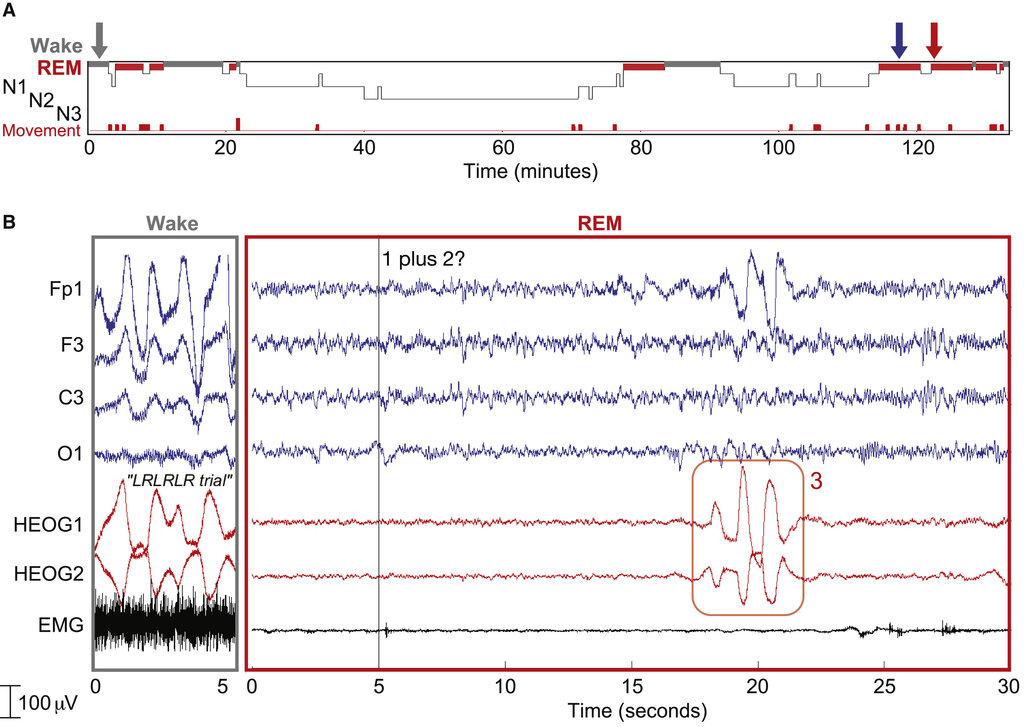
Throughout the night, you cycle through these stages in a predictable pattern: N1, N2, N3, then back to N2, and finally into REM. After the first REM period, the cycle starts over.
However, the composition of each cycle changes as the night progresses. In the first half of the night, you spend more time in deep N3 sleep. In the second half, the REM stages get longer and the deep sleep stages get shorter. This pattern ensures you get the physical restoration you need early on and more of the mental consolidation associated with REM sleep closer to morning.
Understanding these stages highlights that sleep is a complex and active process. Each stage plays a vital role in keeping your mind and body healthy.
Let's review what you've learned about the different stages of sleep.
Which stage of sleep is considered the most restorative for the body, characterized by slow delta brain waves and being crucial for physical repair and growth?
If a person is woken up and reports having a vivid, detailed dream, they were most likely in which stage of sleep?
Each stage of sleep serves a unique and important purpose in maintaining your overall health.