The Science of Different Thinking
Introduction to Cognitive Biases
Your Brain's Shortcuts
Our brains are incredibly powerful, processing vast amounts of information every second. To keep up, they rely on mental shortcuts to make judgments and decisions quickly. Think of them as well-worn paths through a forest. They get you where you're going fast, but they aren't always the most logical or accurate route.
These shortcuts are the source of cognitive biases. They are systematic patterns of thinking that can lead us to draw incorrect conclusions. While they often work well enough, they can also warp our perception of reality and steer our decisions in surprising ways.
Cognitive Bias
noun
A systematic error in thinking that affects the decisions and judgments that people make.
These biases aren't a sign of a flawed intellect; everyone has them. They are a byproduct of our brain's attempt to simplify a complex world. They help us make sense of things without having to painstakingly analyze every single piece of information, which would be exhausting.
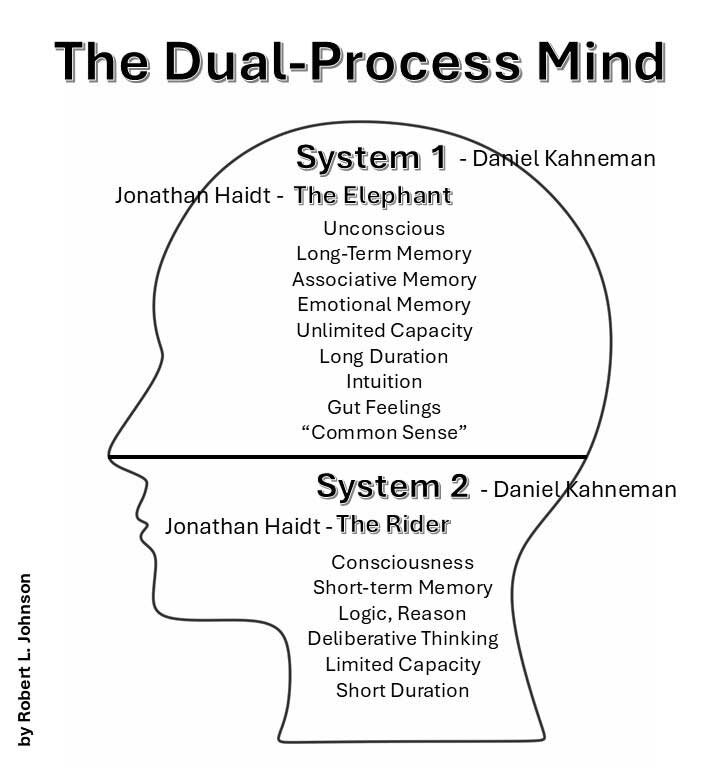
The key is not to eliminate biases, which is likely impossible, but to recognize them in ourselves and others. Let's look at a few of the most common ones.
Common Thinking Traps
Once you start looking for cognitive biases, you'll see them everywhere. Here are three you'll likely encounter every day.
Confirmation Bias This is the tendency to search for, interpret, and recall information in a way that confirms what you already believe. It's like wearing glasses that only let you see evidence that proves you're right, while filtering out anything that might challenge your view.
For example, if you believe a certain political candidate is dishonest, you'll probably pay more attention to news stories about their scandals and dismiss articles that praise their accomplishments.
Anchoring Bias This happens when we rely too heavily on the first piece of information we receive when making a decision. That initial piece of information, or "anchor," has an outsized influence on our subsequent thoughts, even if it's completely irrelevant.
Imagine you're shopping for a used car. The seller first offers it for 💲10,000. Even if you know that's too high, that initial number has been planted in your mind. Any price you negotiate from there, like 💲7,500, will feel like a great deal, simply because it's so much lower than the anchor.
Availability Heuristic This is a mental shortcut where we overestimate the likelihood of events that are easier to recall. If something comes to mind quickly, we assume it must be common or important. The media plays a big role here, as vivid and dramatic stories stick in our memory.
Hearing news reports about a shark attack might make you afraid to swim in the ocean, even though you're statistically more likely to be harmed by a falling coconut. The shark attack is just more memorable and emotionally charged.
Spotting Biases in the Wild
Understanding these biases is the first step toward making better, more rational decisions. It allows you to pause and question your own thought processes. Are you really looking at all the evidence, or just the parts that fit your narrative? Is that initial price tag really fair, or is it just an anchor? Am I worried about this because it's a genuine threat, or just because it's easy to picture?
A heightened level of understanding of the cognitive biases that we and others have can help us make better decisions while lessening the chances of making poor ones
By developing an awareness of these mental shortcuts, you can start to counteract their influence in your personal and professional life, from financial investments to everyday judgments.
Ready to check your understanding?
What is the primary reason our brains use mental shortcuts, also known as heuristics?
A person who strongly supports a particular political candidate only reads news articles that portray their candidate in a positive light, dismissing any negative reports. This is a classic example of which bias?
Recognizing cognitive biases is a powerful tool for clearer thinking. The more you practice spotting them, the less likely they are to lead you astray.