The Science of Cold
Thermodynamics Basics
Energy in Motion
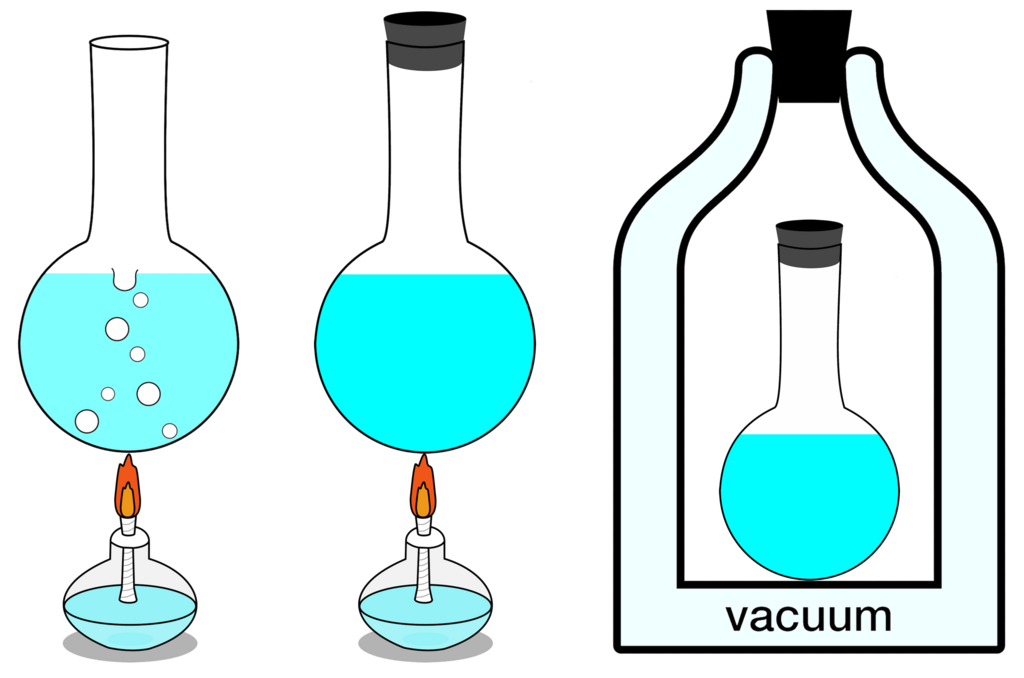
Thermodynamics is the study of heat, work, and energy. At its core, it's about how energy moves and changes form. To talk about this movement, scientists divide the universe into two parts: the system and its surroundings. The system is whatever we're studying—like the water in a pot on the stove. The surroundings are everything else, including the stove and the air in the kitchen.
Energy is constantly being transferred between a system and its surroundings. This transfer can happen in a couple of key ways, which are central to how everything from a car engine to a refrigerator works.
Heat and Work
The two main ways energy moves are through heat and work.
Heat () is energy transfer caused by a temperature difference. If you touch a hot stove, energy flows from the stove to your hand. That's heat. This process always happens in one direction: from a hotter object to a cooler one. A cup of hot coffee doesn't get hotter on its own in a cool room; it loses heat to the air and cools down.
Work () is energy transferred when a force moves something over a distance. Pushing a grocery cart is doing work. In thermodynamics, a common example is a gas expanding inside a cylinder and pushing a piston. The expanding gas does work on the piston.
Heat is energy transfer due to temperature differences. Work is energy transfer via mechanical motion.
First Law of Thermodynamics
The First Law is simple but profound: energy cannot be created or destroyed. It can only be converted from one form to another or transferred from one place to another. This is also known as the law of conservation of energy.
This law introduces the concept of internal energy (), which is the total energy contained within a system. It’s the sum of all the kinetic and potential energies of its particles. The First Law states that the change in a system's internal energy () is equal to the heat added to the system () minus the work done by the system ().
Think about boiling water in a pot with a lid. As you add heat from the stove ( is positive), the water's internal energy increases. The water turns to steam, which expands and might push the lid up. The steam pushing the lid is doing work ( is positive), which uses up some of that internal energy. The final change in internal energy is the balance between the heat you added and the work the steam did.
Second Law of Thermodynamics
While the First Law says you can't get more energy out than you put in, the Second Law deals with the direction of energy transfer. It explains why certain processes happen spontaneously while others don't.
The most common way to state it is that heat naturally flows from a hotter region to a colder region. It never spontaneously flows from cold to hot. A cold drink warms up on a summer day; the summer day doesn't get colder by giving its heat to the drink.
This law introduces the concept of entropy (), which is a measure of the disorder or randomness in a system. The Second Law states that the total entropy of an isolated system always tends to increase over time. Systems naturally move from a state of order to a state of disorder.
This is the fundamental challenge of refrigeration. A refrigerator's job is to make heat flow in its non-spontaneous direction—from the cold interior of the fridge to the warmer air in your kitchen. To accomplish this, the system needs help. It requires an input of energy (work) to force heat to move against its natural tendency.
Refrigeration is hard because you need to make heat flow from a cold area to a hotter area.
Now that we have the basic laws down, let's test your knowledge.
According to the First Law of Thermodynamics, if 100 Joules of heat (Q) are added to a system and the system performs 40 Joules of work (W), what is the change in the internal energy () of the system?
Which concept is most directly associated with the Second Law of Thermodynamics and the tendency for systems to move towards a state of randomness?
Understanding these laws is the first step to seeing how the humble refrigerator performs its seemingly magical task of keeping things cold.