The Science of Chocolate Flavor Pairings
Chocolate Flavor Chemistry
The Molecules of Flavor
The flavor of chocolate isn't a single note, but a complex chord of hundreds of chemical compounds. Two of the most significant contributors to its characteristic taste are alkaloids, specifically theobromine and its close relative, caffeine. While both are stimulants, theobromine is much milder and is the dominant alkaloid in cocoa. It provides the gentle energy lift associated with chocolate and contributes a distinct bitterness that forms the foundation of the flavor profile.
Theobromine
noun
A bitter alkaloid compound found in cacao plants. It is a methylxanthine, chemically similar to caffeine, and is largely responsible for chocolate's stimulating effects and bitter taste.
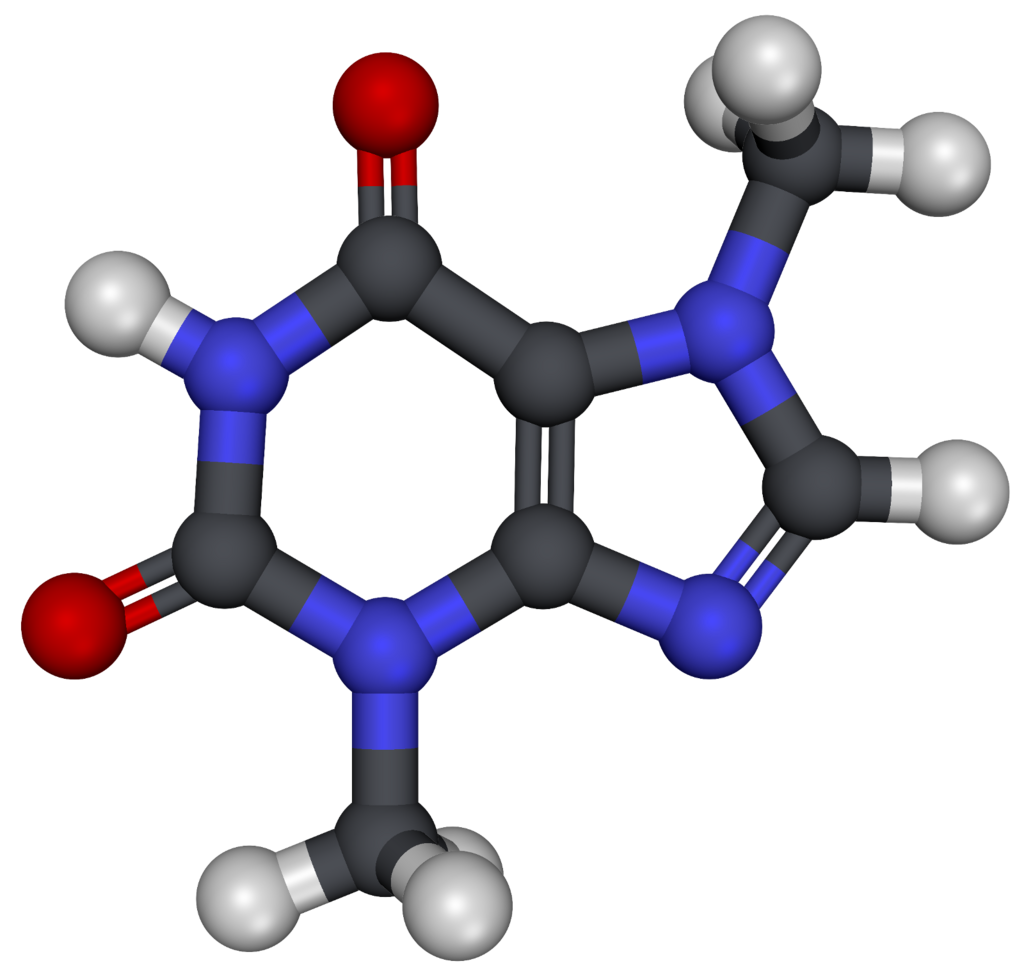
Theobromine's structure is quite similar to caffeine, differing only by a single methyl group. This slight change makes it less potent as a stimulant but crucial for flavor. You can see its molecular structure below.
Beyond bitterness, chocolate's complexity comes from flavonoids, a class of polyphenolic compounds. The most notable are catechins and anthocyanins. These compounds are responsible for the astringent, mouth-drying sensation you might experience with very dark chocolate. They also contribute floral and fruity notes and are powerful antioxidants. The balance between the bitter alkaloids and the astringent flavonoids creates the initial taste framework of raw cocoa.
Unlocking Flavor with Fermentation
A raw cacao bean tastes nothing like a finished chocolate bar. It’s intensely bitter and astringent. The journey to a rich, nuanced flavor begins with fermentation. Straight from the pod, the beans are covered in a sweet, white pulp. When piled together, wild yeasts and bacteria from the environment flock to this pulp, kicking off a multi-stage process.
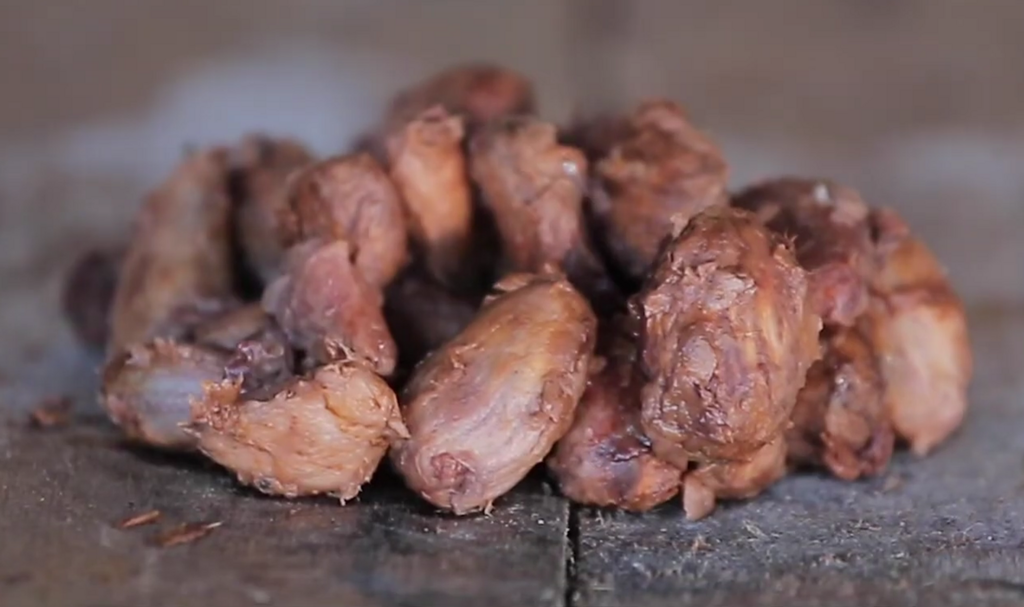
First, yeasts consume the sugars in the pulp, producing ethanol. Then, bacteria convert that ethanol into acetic acid. The acid and the heat generated by this process (up to 50°C) seep into the beans, breaking down cell walls. This triggers enzymatic reactions inside the bean, breaking down proteins into amino acids and complex carbohydrates into simple sugars. These smaller molecules are not yet flavorful on their own; they are flavor precursors, the essential building blocks for the next stage.
Fermentation is arguably one of the most important steps for producing chocolate since it is where the complex flavour profiles develop, just like with wine and cheese.
This step also reduces the intense bitterness and astringency of the raw beans by allowing some polyphenols to leach out, making the final product more palatable.
The Magic of Heat
After fermentation and drying, the beans are ready for roasting. This is where the flavor precursors are transformed into the hundreds of aromatic compounds we associate with chocolate. The primary chemical event responsible for this is the Maillard reaction.
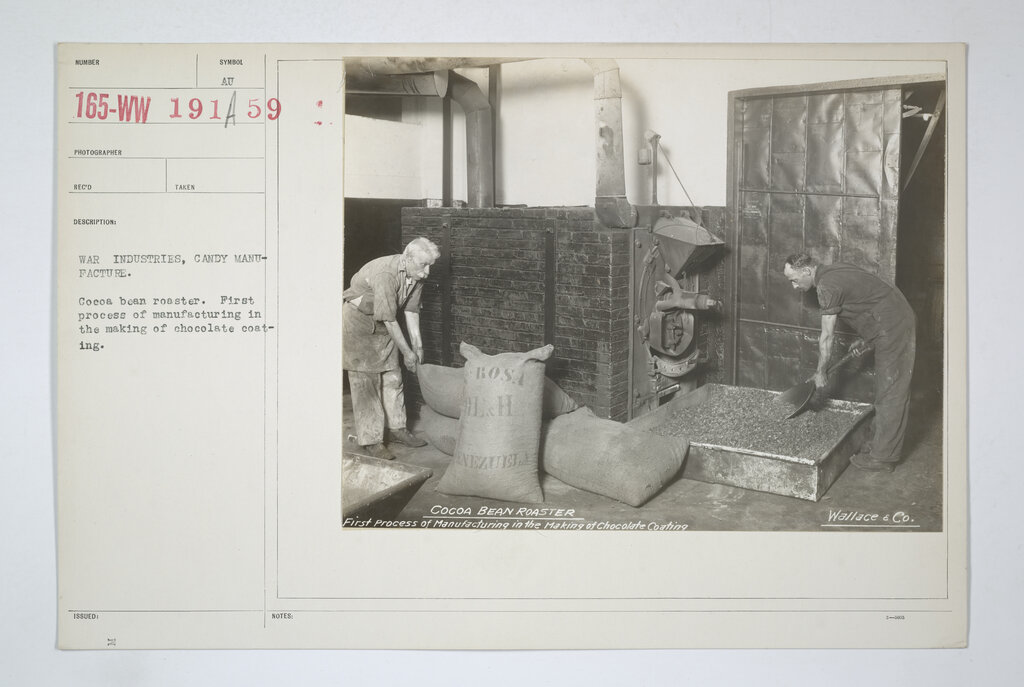
The Maillard reaction is a complex series of chemical reactions between the amino acids and simple sugars created during fermentation. When heated, they combine and recombine to form a vast array of new molecules. Different combinations produce different flavors.
For example, reactions involving the amino acid leucine tend to produce nutty or malty notes. Others might yield pyrazines, which give chocolate its characteristic roasted, earthy, and cocoa-like aromas. The roaster's skill lies in precisely controlling the temperature and time to encourage the formation of desirable compounds while avoiding the creation of burnt or off-flavors.
The Maillard reaction isn't unique to chocolate. It's the same process that gives bread its golden-brown crust, seared steak its savory flavor, and coffee its roasted aroma.
Alongside the Maillard reaction, caramelization also occurs as sugars are heated, contributing sweet, buttery, and caramel notes. Roasting drives off the remaining acetic acid from fermentation, completing the transformation from a bitter seed to the complex and delicious foundation of chocolate.
Understanding this chemical journey reveals how every step, from the farm to the factory, carefully manipulates the bean's composition to build the flavor we know and love.
What is the dominant alkaloid in cocoa, and what primary taste sensation does it contribute?
The primary purpose of fermenting cacao beans is to create the small molecules, like amino acids and simple sugars, that will later develop into complex flavors.