The Science Behind the Blue Sky
Light and Color
What Is Light?
Light is a form of energy that travels in waves, much like ripples on a pond. These waves are part of a huge range of energy called the electromagnetic spectrum. This spectrum includes everything from radio waves and microwaves to X-rays and gamma rays. Most of these waves are invisible to us.
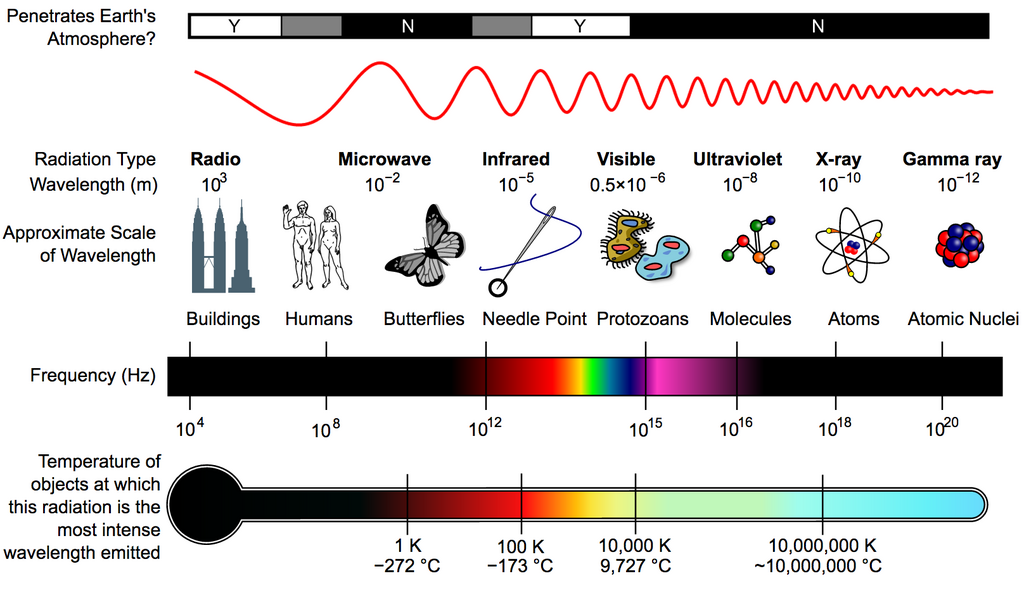
The tiny sliver of this spectrum that our eyes can detect is called visible light. When you see a rainbow, you're seeing visible light split into its different colors. This happens because each color corresponds to a slightly different type of light wave.
Wavelengths and Color
The key difference between one color of light and another is its wavelength. Wavelength is the distance between the peaks of a wave. Red light has the longest wavelength in the visible spectrum, while violet light has the shortest. All the other colors fit in between.
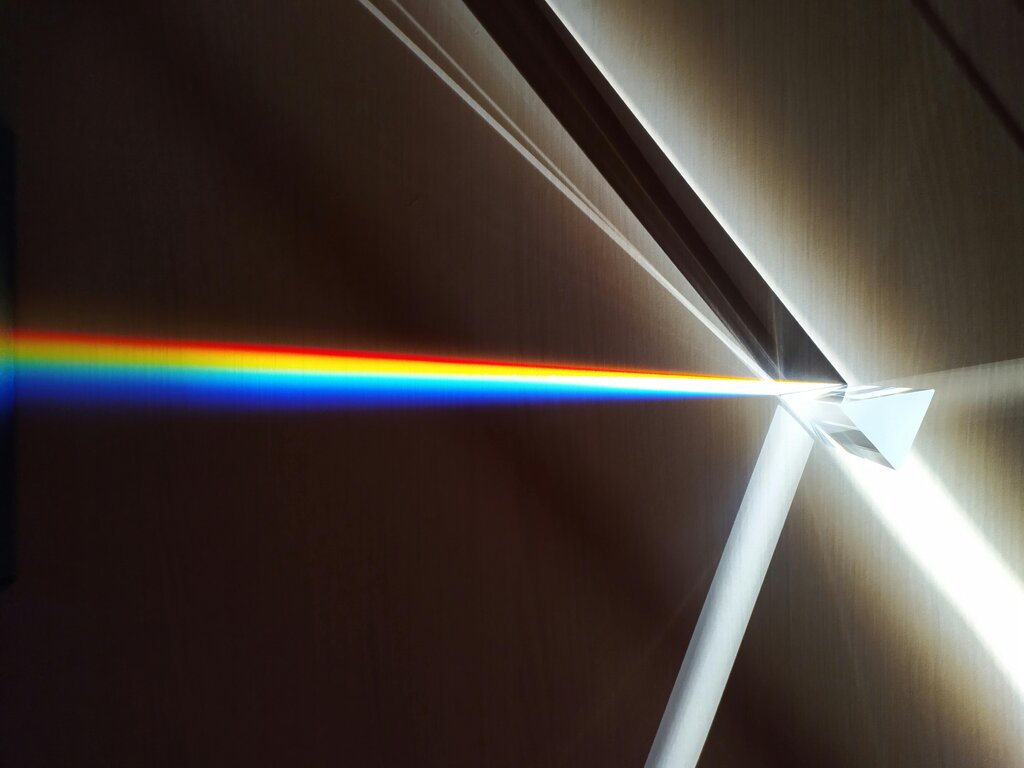
Sunlight, or what we often call "white light," is actually a mixture of all these different wavelengths. When sunlight passes through a prism or raindrops in the air, the wavelengths get separated, and we see a full spectrum of colors.
| Color | Wavelength (approx.) |
|---|---|
| Violet | 380–450 nanometers |
| Blue | 450–495 nanometers |
| Green | 495–570 nanometers |
| Yellow | 570–590 nanometers |
| Orange | 590–620 nanometers |
| Red | 620–750 nanometers |
How Light Interacts With Matter
Light doesn't just travel in a straight line forever. When it hits an object, it can do one of three things: bounce off, pass through, or get soaked up. These interactions determine what we see.
Reflection
noun
The bouncing of light off a surface.
When light reflects, it bounces off a surface at the same angle it hit. A smooth, shiny surface like a mirror reflects light in a very predictable way, creating a clear image. A rough surface reflects light in many different directions.
Refraction
noun
The bending of light as it passes from one medium to another.
Light travels at different speeds through different materials. When it crosses a boundary, say from air into water, it changes speed and bends. This is why a spoon in a glass of water looks broken at the surface.
Absorption
noun
The process by which light energy is taken in by matter and converted to another form of energy, like heat.
Often, an object doesn't reflect or refract all the light that hits it. Instead, it absorbs some of it. The absorbed light energy is usually converted into heat. This is why a dark-colored car gets hotter in the sun than a light-colored one; it absorbs more wavelengths of light.
The color of an object is determined by the wavelengths of light it reflects. A red apple, for example, looks red because its surface absorbs all the colors of the spectrum except for red. It reflects the red wavelengths back to our eyes. A white object reflects all colors, and a black object absorbs all colors.
Let's review these key terms.
Ready to test your knowledge?
Why does a black T-shirt feel hotter in the sun than a white T-shirt?
A green leaf appears green because it...
These three interactions, reflection, refraction, and absorption, are the building blocks for understanding many amazing natural phenomena. They explain not only why a leaf is green but also how rainbows form and why the sky is blue.