The Science and Spirit of Martial Arts
Biomechanical Kinetic Energy
Force from the Ground Up
Every powerful strike begins not with the fist, but with the feet. The initial force for any punch, kick, or throw comes from the ground. When you push off the floor, the floor pushes back with an equal and opposite force. This is Newton's third law in action, and in biomechanics, we call it the (GRF). Think of it as borrowing energy from the planet.
This force doesn't just travel straight up. It initiates a wave of energy that moves through your body in a specific sequence. This sequence is known as the kinetic chain. It's how a boxer's knockout punch truly begins at their toes. By driving into the ground, they create the initial impulse that will travel up through their legs, hips, torso, and arm, gaining momentum at each stage before finally being delivered by the fist.
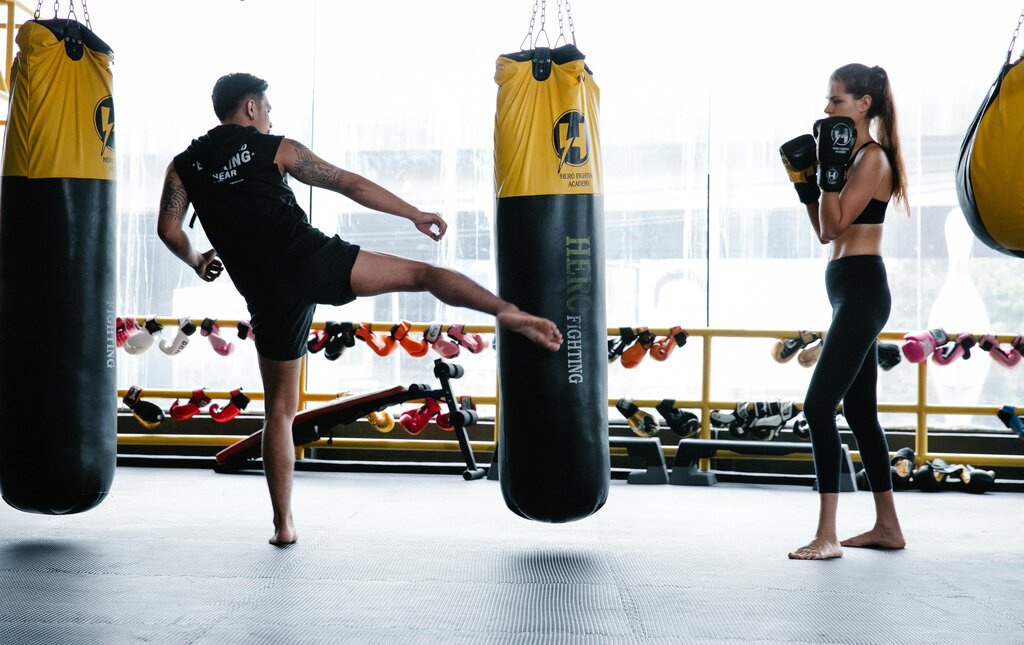
The Kinetic Chain in Action
The secret to a devastating strike is not arm strength, but the seamless transfer of energy through the body. This process, called or sequential summation of movement, involves accelerating and decelerating body segments in a coordinated sequence. The larger, slower muscles of the legs and core fire first, generating the initial momentum. This energy is then transferred to the smaller, faster muscles of the shoulder, arm, and hand.
Imagine cracking a whip. The handle moves relatively slowly, but the energy travels down the length, culminating in a supersonic crack at the tip. Your body works the same way. The rotation of your hips is the handle of the whip. By twisting your core, you generate immense rotational velocity, or torque. This torque acts as a massive force multiplier, dramatically increasing the speed and power of your strike.
The Physics of Impact
When your strike lands, the damage it causes is a function of kinetic energy. The formula for kinetic energy is simple but reveals a crucial truth about generating power.
In the power equation, speed is king.
This doesn’t mean mass is irrelevant. The concept of effective mass is critical. This isn't just the weight of your fist; it's the amount of your body's mass that is structurally aligned and committed to the strike at the moment of impact. A well-executed punch connects your fist to your body's center of mass and, through the kinetic chain, to the ground itself. A proper follow-through ensures this effective mass is engaged through the target, rather than just bouncing off its surface.
Delivering the Force
Generating immense force is useless if you can't deliver it properly. Structural alignment ensures that the energy from the kinetic chain travels through your skeleton and into the target. Poor alignment means energy gets absorbed by your own joints, leading to weaker strikes and a higher risk of injury.
Proper alignment creates a solid frame from fist to foot. To achieve this, martial artists use techniques like the 'double breath'—a sharp exhalation upon impact that tenses the core muscles, creating a stable base for the torso and hips. This core stability is vital for linking the power of the lower body to the striking limb.
This entire system is connected by the —the web of connective tissue that surrounds and links all your muscles. Training this system with explosive, whole-body movements allows for a more efficient and powerful transfer of energy, turning your body into a finely tuned weapon.
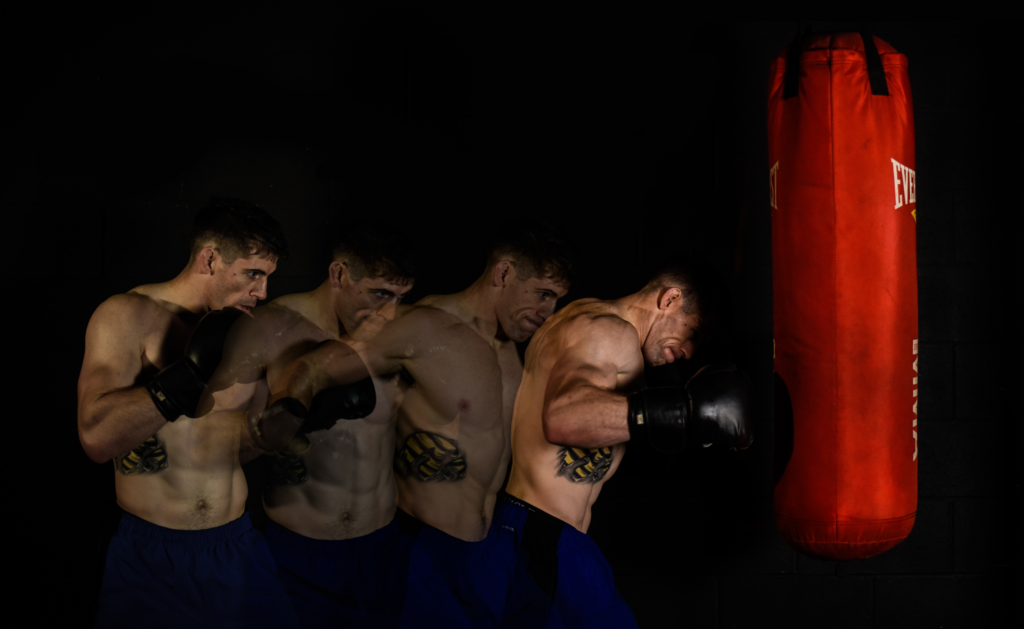
With these principles in mind, we can begin to analyze and refine our own movements, transforming them from simple actions into efficient expressions of power.
Let's test your understanding of how to generate and deliver force.
What is the initial source of force for any powerful punch, kick, or throw?
The sequence of energy moving from the feet, through the legs, hips, torso, and arm to be delivered by the fist is known as the:
By mastering these biomechanical principles, you move beyond simply executing techniques and begin to truly understand the science behind the art.