The Science and Psychology of Love
Introduction to Romantic Love
Defining Romantic Love
Romantic love is a powerful force in many people's lives. While it feels intensely personal, the way we experience and express it is shaped by the world around us. At its core, romantic love is an emotional connection to another person that typically involves feelings of passion and intimacy. It's the kind of love that inspires songs, poems, and epic stories.
But it's more than just a fleeting feeling. It often includes a deep sense of care, a desire for closeness, and a commitment to the other person's well-being. Unlike the love we have for family or friends, romantic love usually has an element of passion and physical attraction, though the importance of this varies from person to person.
Romantic love is a complex combination of emotional intimacy, passion, and often, a sense of commitment.
A Historical Journey
Our modern idea of romantic love didn't just appear out of nowhere. It has evolved significantly over time.
In Ancient Greece, philosophers distinguished between different types of love. Eros was the term for passionate, erotic love, while philia described deep friendship, and agape meant selfless love for everyone. Romantic love as the basis for marriage was not a common idea.
During the Middle Ages in Europe, the concept of "courtly love" emerged among the nobility. This was a highly stylized and often secret form of love between a knight and a noblewoman. It was more about chivalry and admiration from afar than a practical partnership.
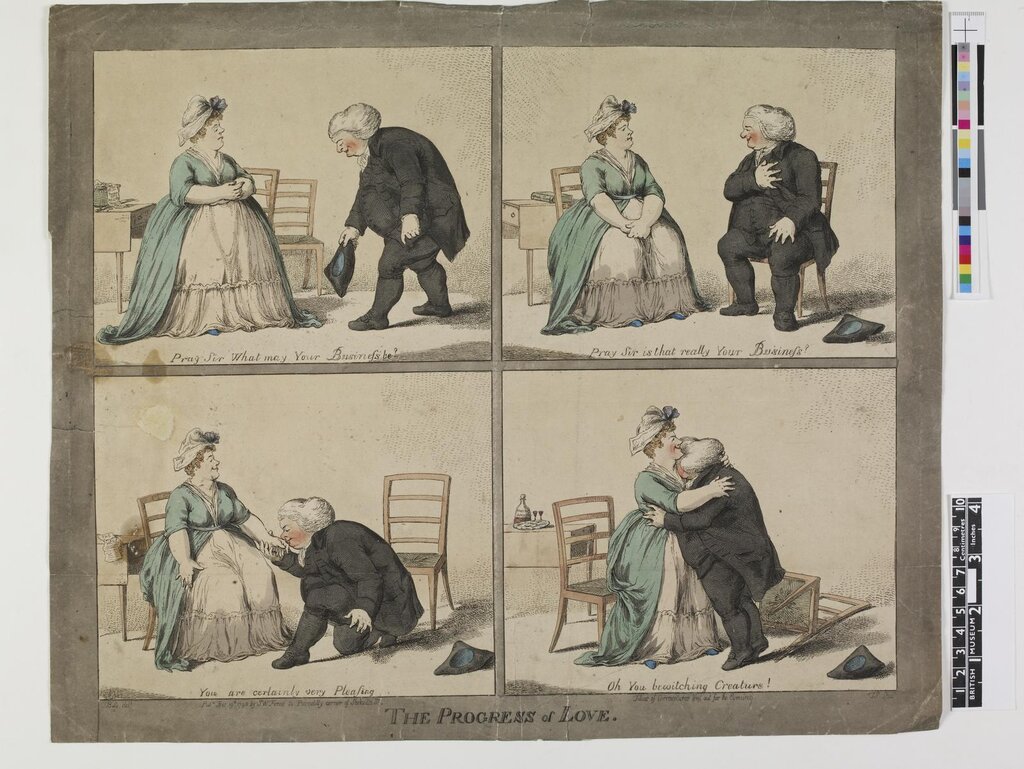
It wasn't until the Romantic movement in the late 18th and 19th centuries that love became closely tied to personal happiness, self-expression, and marriage. This era celebrated intense emotion and individualism, placing romantic love at the center of a meaningful life.
The Romantic movement valued subjectivity, spontaneity, and the exploration of the self
Love Across Cultures
The Western ideal of finding a soulmate and marrying for love isn't universal. Culture plays a huge role in how people approach romantic relationships. In many cultures, marriage is seen as a practical partnership that unites families, rather than a union based on passionate love.
In societies that emphasize the individual (individualistic cultures), people are often encouraged to choose partners based on personal feelings and attraction. In societies that prioritize the group (collectivist cultures), family and community considerations can be more important than individual romance. The needs of the family often come first.
| Feature | Individualistic Cultures (e.g., USA, Western Europe) | Collectivist Cultures (e.g., many in Asia, Africa) |
|---|---|---|
| Basis for Marriage | Romantic love and personal fulfillment | Practicality, family compatibility, and social status |
| Partner Choice | Individual choice is prioritized | Family input and approval are often crucial |
| View of Love | Passion is often expected to precede marriage | Love is often expected to develop after marriage |
| Family Role | Less direct involvement in partner selection | High involvement; marriage is a family alliance |
This doesn't mean love is absent in collectivist cultures. It simply means that its role, timing, and expression can be very different. The idea of love growing over time within an arranged marriage is just as valid as the idea of love leading to marriage.
Ready to check your understanding? Let's see what you've learned about the concept of romantic love.
According to the text, which combination of feelings is typically at the core of romantic love?
Which term did the Ancient Greeks use to describe passionate, erotic love?
Understanding how love is viewed across time and cultures helps us see that while the feeling might be universal, its expression is anything but.