The Science and Psychology of Love
Introduction to Love
What Is Love?
The word "love" is used to describe everything from our feelings for a partner to our enjoyment of pizza. It’s one of the most powerful and complex human emotions, yet pinning down a single definition is nearly impossible. Love isn't just one thing; it's a spectrum of feelings, actions, and beliefs.
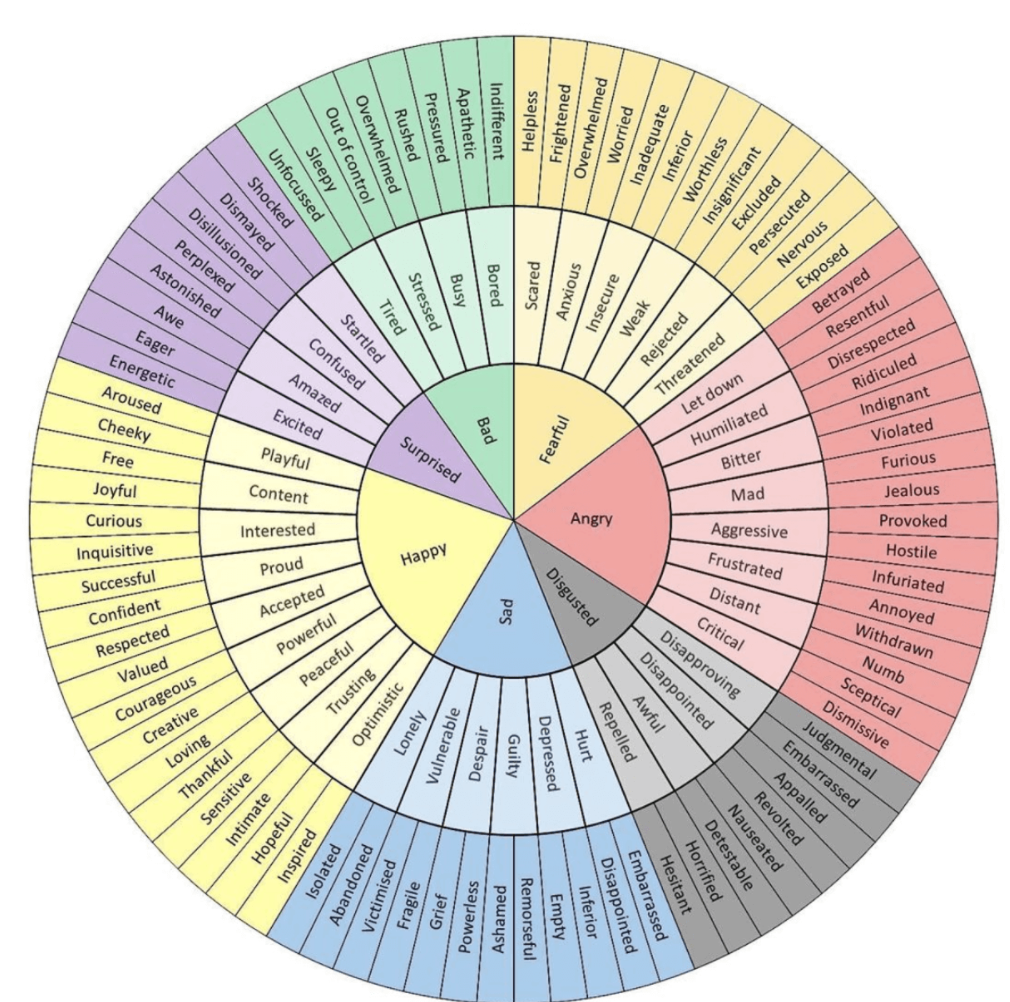
At its core, love involves a deep sense of care and affection for someone or something. This can be the passionate, romantic love between partners, the steady, comforting love between family members, the easy camaraderie of friendship, or even the selfless love for humanity. Each type has its own flavor and plays a different role in our lives.
We are interested in scholarship that examines love in all its everyday expressions: not solely romantic love, but also familial love, friendship, care, community bonds and the experience of being or not being loved.
Thinking about love in these different categories helps us appreciate its many forms and the various ways it enriches our experiences.
A Brief History of Love
Our modern ideas about love, especially romantic love, haven't always existed. Different historical periods have emphasized very different aspects of it. The Ancient Greeks, for example, didn't have one word for love; they had several, which allowed them to be more specific.
| Greek Term | Meaning |
|---|---|
| Eros | Passionate, romantic love. Often associated with desire. |
| Philia | Deep friendship or brotherly love. Based on loyalty and shared values. |
| Agape | Selfless, unconditional love for everyone. |
| Storge | Familial love. The natural affection between parents and children. |
Later, during the Middle Ages in Europe, the idea of "courtly love" emerged among nobles. This was a highly ritualized form of affection, often between a knight and a married noblewoman, that was more about longing and devotion from afar than a real relationship. It wasn't until the 18th and 19th centuries, during the Romantic movement, that the Western ideal of marrying for passionate, emotional love became widespread.
Love Across Cultures
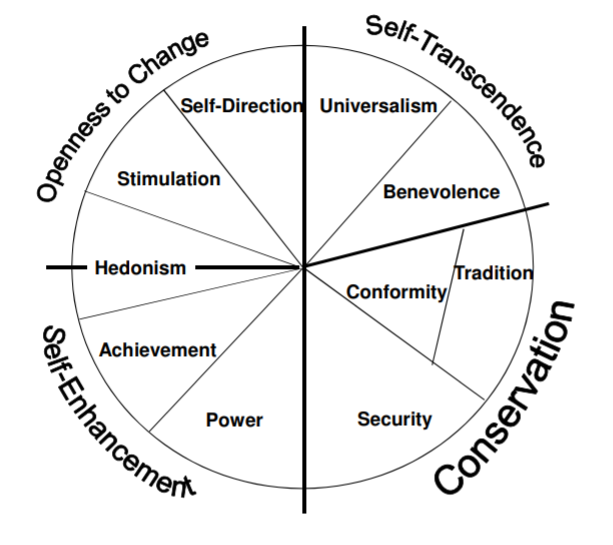
Just as views on love have changed over time, they also vary dramatically across cultures. The idea that romantic love should be the central foundation of marriage is a strong belief in many Western societies. But in many other parts of the world, love is often seen as something that grows out of a committed partnership, rather than the reason to start one.
In many cultures, factors like family compatibility, economic security, and shared values are considered equally, if not more, important than romantic passion when choosing a life partner.
For example, the practice of arranged marriages is built on the idea that family and community wisdom can lead to a stable, loving partnership. The focus is less on initial romantic chemistry and more on long-term compatibility. Expressions of love also differ. Some cultures value grand, public gestures, while others see quiet, steady acts of service as the truest sign of affection. There is no single "right" way to experience or express love; it is deeply shaped by the world we grow up in.
Why Love Matters
Regardless of its definition or cultural expression, love is fundamental to the human experience. The connections we form with others provide a sense of belonging and security. Friendships, family bonds, and romantic partnerships are the bedrock of our social lives. They support us through difficult times and share in our joys.
These relationships help us build communities and societies. The care and cooperation that stem from love allow us to work together, raise families, and create a sense of shared purpose. Without these bonds, it would be much harder to navigate the challenges of life.
Love and Compassion as Universal Foundations
Ultimately, the capacity to give and receive love is a vital part of what makes us human. It drives us to connect, to care for one another, and to build meaningful lives.
Ready to check your understanding?