The Science and Practice of Happiness
Understanding Happiness
What is Happiness?
Everyone wants to be happy, but what does that even mean? It’s more than just a fleeting good mood or a temporary high. In psychology, the concept is often called subjective well-being, which is a more scientific way of looking at it. This idea breaks happiness down into two key parts.
First, there’s the cognitive side: how you evaluate your life. This is your overall life satisfaction. When you step back and look at your life as a whole—your job, your relationships, your personal growth—do you feel content? Second, there’s the affective side: your feelings. This is about having more positive emotions (like joy, contentment, and pride) than negative ones (like sadness, anger, and fear) on a day-to-day basis.
So, happiness isn't just one thing. It's a combination of feeling good and thinking your life is good.
Why Happiness Matters
The pursuit of happiness is more than just a personal hobby. It has real, tangible benefits that ripple out into every area of our lives. Happier people tend to be healthier people. Studies have linked positive emotions to stronger immune systems, better heart health, and even a longer lifespan.
It also transforms our social lives. When we feel good, we're more likely to be open, cooperative, and supportive of others, which leads to stronger, more meaningful relationships. At work, happiness can be a professional advantage, boosting creativity, productivity, and problem-solving skills.
The Happiness Equation
What determines how happy we are? It’s not just luck or circumstance. Research suggests our overall happiness is a mix of three main ingredients:
-
Genetic Set Point: A portion of our happiness is determined by our genes. Some people are just naturally predisposed to being more cheerful than others. Think of it as a baseline level of happiness you tend to return to.
-
Life Circumstances: These are the facts of your life—your age, income, health, and social status. While these things certainly matter, their impact on long-term happiness is often less than we think.
-
Intentional Activities: This is the portion that's most under our control. It includes our choices, our mindset, and the habits we cultivate. It's about how we think and what we do.
This breakdown is powerful because it shows that while we can't change our genes, a significant chunk of our well-being is shaped by our actions and outlook.
Theories of Well-Being
Philosophers and psychologists have developed several frameworks to understand what makes a life good. A classic distinction is between hedonia and eudaimonia.
- Hedonic happiness is what we typically think of: the pursuit of pleasure and the avoidance of pain. It’s about maximizing positive feelings.
- Eudaimonic happiness is about living a life of meaning and purpose. It comes from personal growth, fulfilling your potential, and contributing to something larger than yourself. A truly happy life likely involves a balance of both.
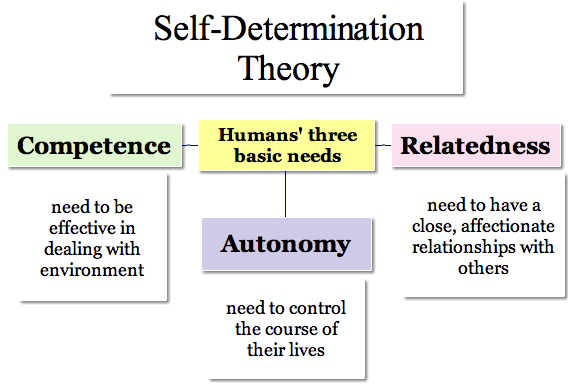
One influential model is Self-Determination Theory, which suggests all humans have three basic psychological needs. When these needs are met, we thrive.
Another key framework is the PERMA model, developed by psychologist Martin Seligman. It identifies five essential elements of well-being.
This theory is based on five elements of well-being: positive emotion, engagement, meaning, positive relationships, and accomplishment.
Understanding these different components helps us see that happiness isn't a single goal to be achieved, but a rich and varied experience built from different parts of our lives.
In the context of psychology, subjective well-being is primarily composed of which two key components?
Which factor influencing happiness is considered most under an individual's direct control?