The Science and Practice of Fasting
Introduction to Fasting
What Is Fasting?
At its core, fasting is simple: it’s the voluntary choice to not eat for a specific period. It's not about what you eat, but when you eat. Unlike starvation, which is an involuntary lack of food, fasting is a deliberate practice with a clear start and end time. People have been fasting for thousands of years for all sorts of reasons, from spiritual growth to improving health.
Fasting isn't a diet in the traditional sense. It's an eating pattern.
Think of it as giving your digestive system a scheduled break. Just as you need sleep to rest and repair your body and mind, fasting gives your body a rest from the constant work of digestion. This simple shift in timing can have some interesting effects, which has led to its growing popularity in modern wellness.
A Timeless Practice
Fasting is one of humanity’s oldest traditions. For much of our history, food wasn't always available 24/7. Our ancestors naturally went through periods of feast and famine, and our bodies adapted to function well in both states.
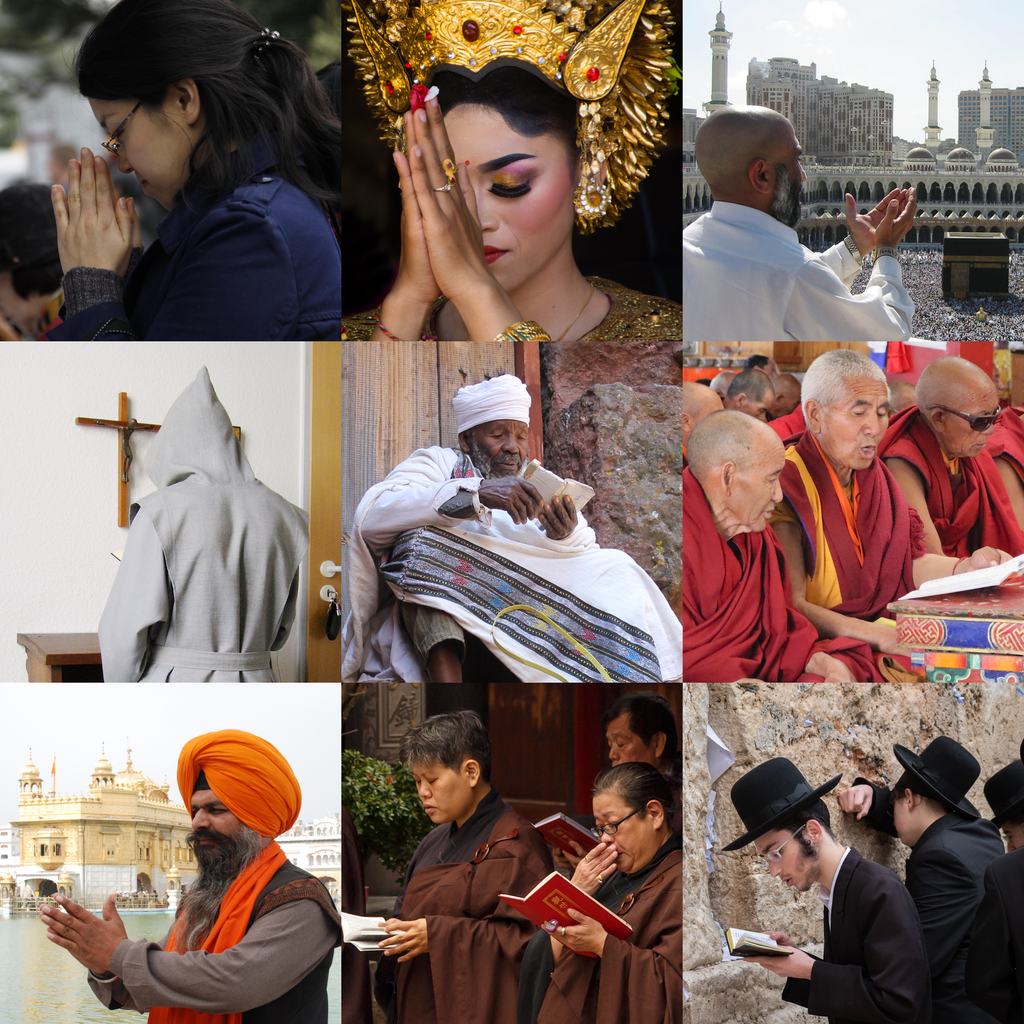
Beyond necessity, fasting became a cornerstone of many cultures and religions. It's seen as a way to practice discipline, achieve spiritual clarity, and connect with a higher power. Major world religions incorporate fasting in their practices:
| Religion | Fasting Practice |
|---|---|
| Islam | Ramadan, a month of fasting from dawn to dusk. |
| Judaism | Yom Kippur, a 25-hour fast of repentance. |
| Christianity | Lent, a period of fasting and prayer before Easter. |
| Buddhism | Monks often fast as a way to aid meditation. |
| Hinduism | Fasting is observed on various holy days. |
Ancient healers also recognized its physical benefits. Hippocrates, often called the father of medicine, prescribed fasting to help the body heal. Today, science is exploring these age-old practices, looking at how controlled breaks from eating can influence our health.
Types of Fasting
Modern fasting isn't a one-size-fits-all approach. There are several popular methods, each with a different schedule. The general term for these is intermittent fasting (IF), which describes any eating pattern that cycles between periods of eating and voluntary fasting.
Let's break down some common types of intermittent fasting.
Time-Restricted Feeding (TRF) is one of the most popular starting points. You eat all your meals within a specific number of hours each day—called an "eating window"—and fast for the remaining hours. The 16:8 method is a common example: you fast for 16 hours and eat during an 8-hour window, like from noon to 8 p.m.
Alternate-Day Fasting is more intense. As the name suggests, you alternate between a day of normal eating and a day of fasting. Some variations allow for a very small meal (around 500 calories) on the fasting days.
Prolonged Fasting involves going without food for 24 hours or longer. This could be a full 24-hour fast once a week or even multi-day fasts. These longer fasts are more demanding and are often done less frequently, sometimes with medical guidance.
| Fasting Type | How It Works | Common Schedule |
|---|---|---|
| Time-Restricted Feeding (TRF) | Eat during a set window each day. | 16:8 (fast 16 hours, eat in an 8-hour window) |
| Alternate-Day Fasting | Alternate between eating days and fasting days. | Eat normally Monday, fast Tuesday, eat normally Wednesday, etc. |
| Prolonged Fasting | Fasting for 24 hours or more. | A 24-hour fast once a week or a 3-day fast once a month. |
Why Do People Fast?
Motivations for fasting today are as varied as the methods. For many, the primary driver is health. People turn to fasting as a tool for weight management, to improve metabolic health markers, or to support the body's natural cleanup processes. The idea of giving the body a break from digesting food resonates with many who are looking to reset their habits.
Others are drawn to the mental benefits. Fasting requires discipline and can lead to a feeling of accomplishment and mental clarity. It can simplify daily life by reducing the number of meals you need to plan and prepare, freeing up time and mental energy.
And for millions around the world, fasting remains a deeply spiritual practice. It's a way to cultivate self-control, practice gratitude, and deepen one's faith. Whether the goal is physical, mental, or spiritual, fasting offers a unique way to challenge the body and mind.
Now that you understand the what, why, and how of basic fasting, let's test your knowledge.
What is the key difference between fasting and starvation?
Someone who eats all their meals between 11 a.m. and 7 p.m. every day is practicing which type of fasting?
Fasting is a versatile practice with deep historical roots and a wide range of modern applications. Understanding the different approaches is the first step in figuring out if it's right for you.