The Science and Lore of Flax Linen
Flax Fiber Science
The Anatomy of a Flax Fiber
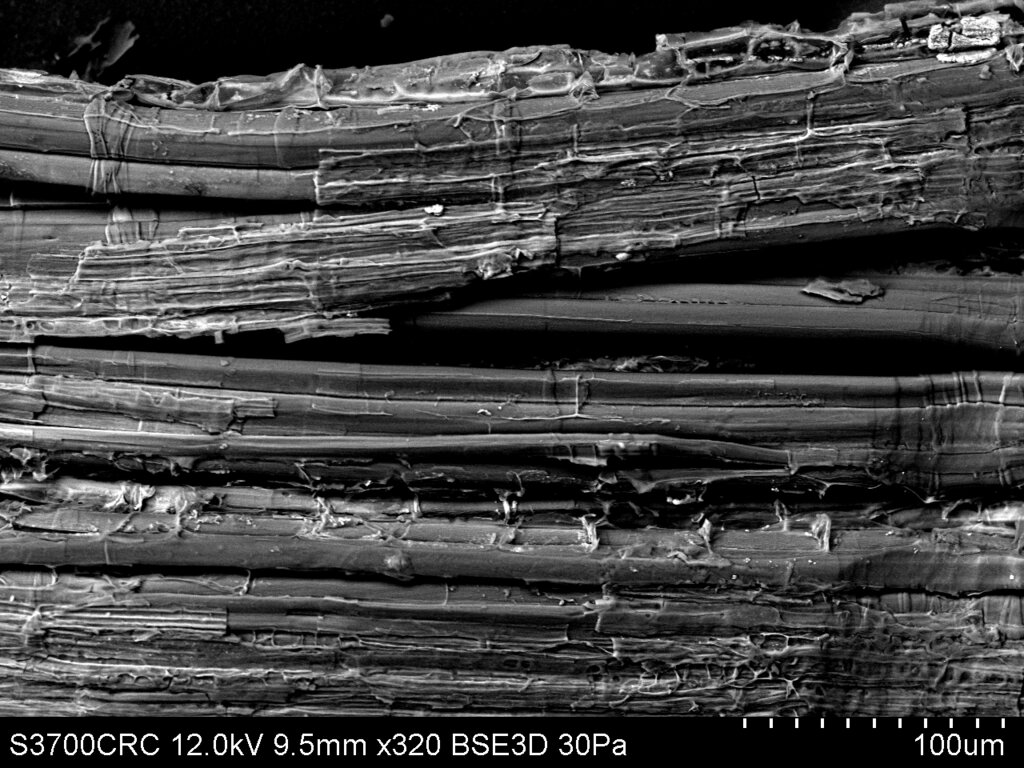
At a microscopic level, flax fibers are fundamentally different from cotton. Their strength and unique feel come from their composition. They are primarily made of crystalline cellulose, which gives the fiber its rigid structure. Think of these as long, incredibly strong chains that form the backbone of the fiber.
These cellulose chains are bound together by a substance called , a natural plant glue. This combination of rigid cellulose and sticky pectin is what gives linen its characteristic stiffness and durability. Unlike cotton's short, fluffy fibers, flax fibers are long and smooth, which contributes to linen's crisp texture.
Why Linen Feels Cool
Linen's reputation for comfort in hot weather isn't just marketing, it's a direct result of its molecular structure. Flax fibers are —they can absorb a significant amount of moisture before feeling damp. In fact, linen can absorb up to 20% of its own weight in water.
But absorption is only half the story. The fiber's long, hollow structure allows that moisture to evaporate quickly into the air. This process, called wicking, actively pulls perspiration away from the skin and releases it, creating a constant cooling effect. Cotton, by contrast, absorbs moisture but releases it much more slowly, leading to that heavy, damp feeling.
This efficiency at managing moisture is why linen garments feel so breathable and cool to the touch. The fabric essentially acts as an excellent heat conductor, moving heat away from the body.
Built to Last
The long, straight cellulose chains in flax fibers give linen remarkable —it's one of the strongest natural fibers. When spun into yarn, these long fibers create a thread that is less prone to breaking and fraying than the shorter fibers of cotton. This is why linen is so durable and actually gets softer and stronger with washing, as the pectin binder gradually washes away, allowing the fibers to flex more freely.
Furthermore, the smooth, long structure of flax fibers means there's less linting. The fibers don't easily break off and become airborne. This low-lint quality, combined with the fiber's natural resistance to bacteria and fungi, makes linen hypoallergenic. It doesn't trap dust and allergens the way fuzzier fabrics can.
Linen's strength, breathability, and hypoallergenic nature all stem directly from the long, smooth, pectin-bound cellulose structure of the flax fiber itself.
Let's review the key terms we've covered.
Now, test your understanding of what makes linen unique.
What are the two primary components that give flax fibers their characteristic stiffness and durability?
The ability of linen to absorb a significant amount of moisture before feeling damp is described by which term?
Understanding the science behind the fiber reveals why linen has been a prized textile for thousands of years.