The Science and Discovery of X-rays
Introduction to X-rays
What Are X-rays?
X-rays are a form of high-energy light that our eyes can't see. Like the visible light that allows us to see the world, X-rays are a type of electromagnetic radiation. They travel in waves and are part of a broad range of radiation called the electromagnetic spectrum.
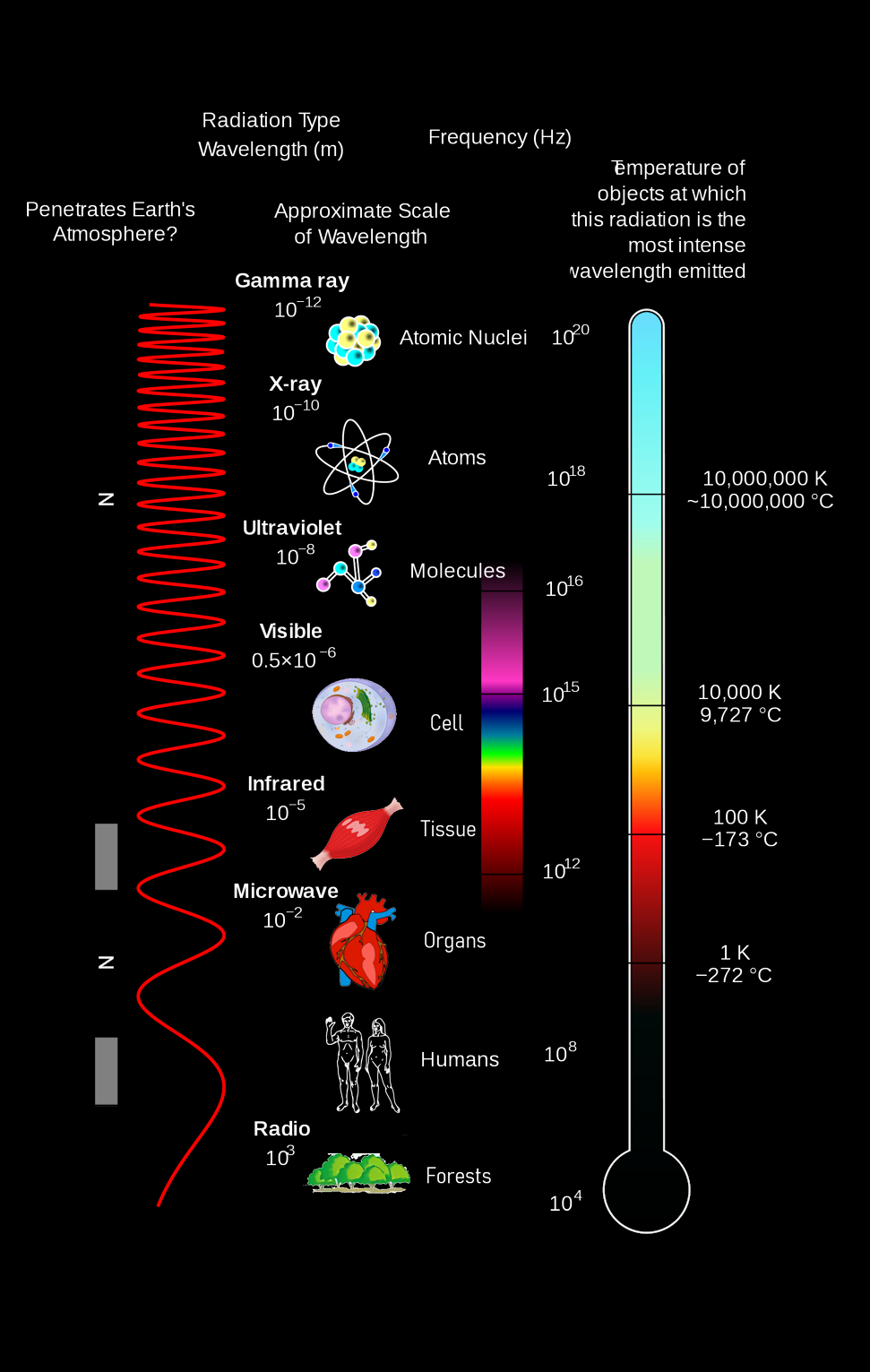
The key difference between X-rays and visible light is their energy. The electromagnetic spectrum is organized by wavelength and frequency. Waves with long wavelengths, like radio waves, have low frequency and low energy. Waves with short wavelengths, like X-rays, have high frequency and a lot of energy. This high energy is what gives X-rays their special properties.
Wave or Particle?
Here's a tricky but important idea: X-rays act like both waves and particles. This concept is called wave-particle duality. When traveling through space, X-rays behave like waves, similar to ripples on a pond. They can bend around obstacles and interfere with each other, a phenomenon known as diffraction.

But when X-rays interact with matter, they behave like particles. These tiny packets of energy are called photons. An X-ray photon carries a specific, discrete amount of energy. Thinking of X-rays as a stream of these high-energy photons helps explain how they interact with different materials.
Seeing Through Things
The most famous property of X-rays is their ability to pass through objects that are opaque to visible light. Because X-ray photons have so much energy, they can travel through materials like skin, muscle, and plastic. However, they are stopped or absorbed by denser materials, like bone and metal.
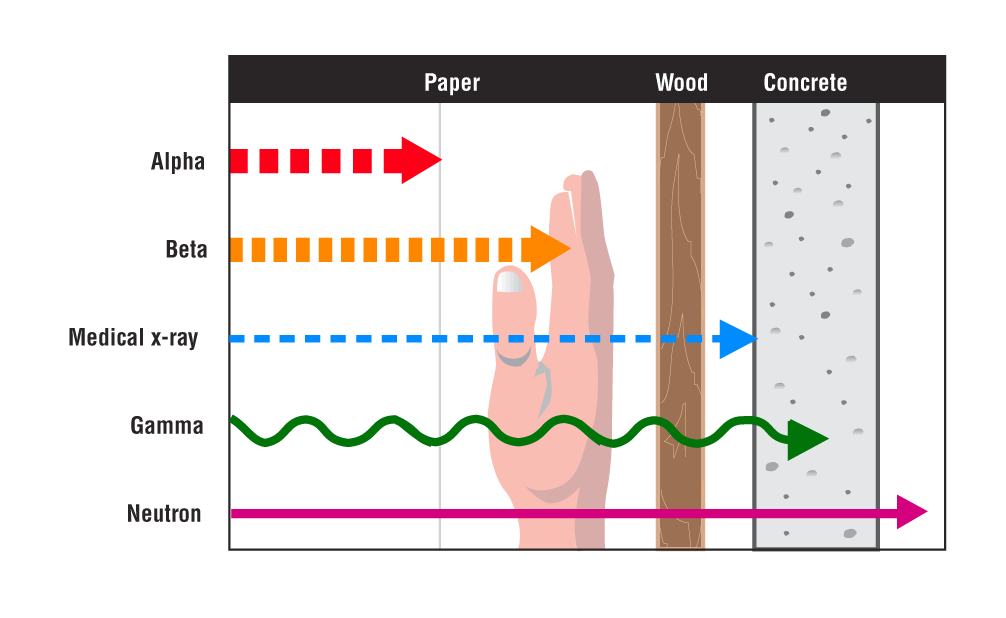
This difference in absorption is what makes X-ray imaging possible. When you get a medical X-ray, a machine sends X-ray photons through your body. A detector on the other side captures the ones that make it through. Bones absorb many of the photons, so they appear white in the final image. Soft tissues let more photons pass through, so they look gray or black.

This principle isn't just for medicine. X-rays are also used in security scanners at airports to see inside luggage and in industrial settings to inspect welds and find defects in materials. It all comes down to their unique ability to penetrate some substances but not others.
How do X-rays primarily differ from visible light?
According to the principle of wave-particle duality, when do X-rays behave like particles (photons)?
Understanding these core concepts is the first step to seeing how X-rays have become an indispensable tool in science and medicine.