The Saxophone: An Introduction
Saxophone History
The Inventor and His Vision
The saxophone feels like it has been around forever, but it's a relatively young instrument. It was invented by Adolphe Sax, a Belgian instrument maker, in the early 1840s. Sax was a talented musician and craftsman who grew up in a workshop. His father made instruments, and Adolphe followed in his footsteps, but with a twist: he was also an inventor.
Sax noticed a gap in the orchestra. The woodwinds were often too soft to balance the powerful brass section, and the brass instruments lacked the agility of the woodwinds. He envisioned a new instrument that could bridge this divide. He wanted something with the power of brass but the fluid, expressive qualities of a woodwind.
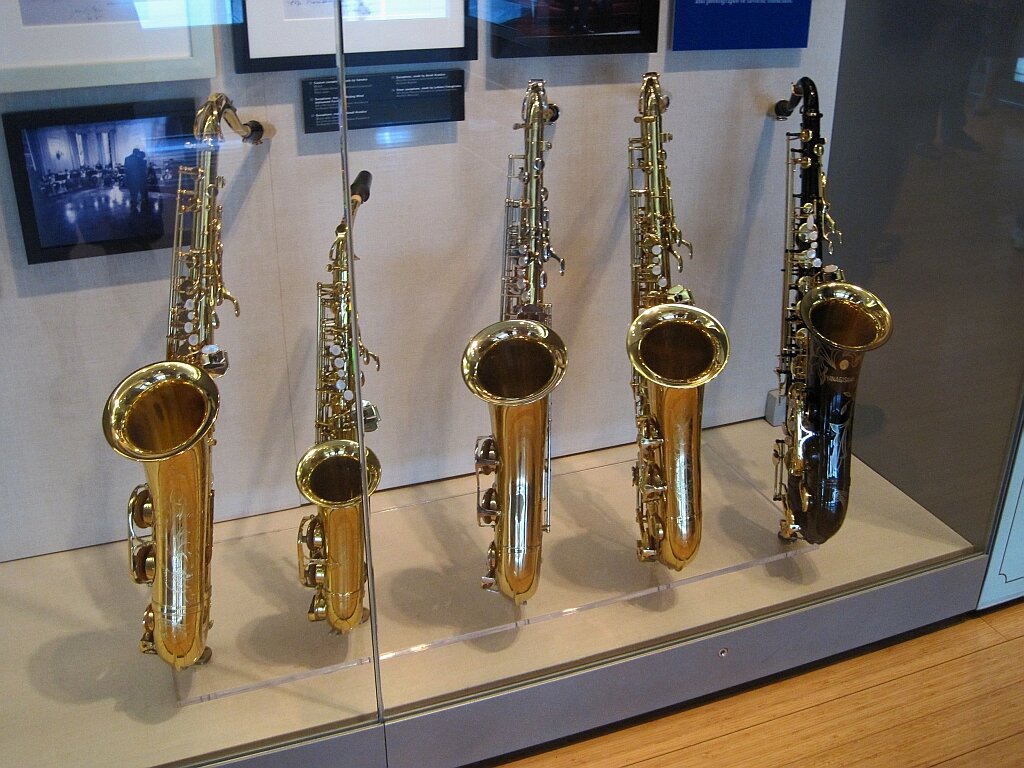
His creation was a single-reed instrument with a conical metal body and the fingering system of a woodwind. This hybrid design gave the saxophone its unique and versatile voice.
After years of tinkering, Sax patented his invention in Paris in 1846. The patent covered a family of saxophones, from the high sopranino to the deep contrabass. His initial goal was to see them integrated into orchestras and military bands, where he believed their unique tone would be most useful.
An Instrument Finds Its Voice
The saxophone's journey into the musical mainstream was a slow one. French military bands were among the first to adopt it, thanks in part to Sax's own promotional efforts. The instrument's volume and robust construction made it well-suited for outdoor performances.
In the world of classical music, however, acceptance was limited. A few composers, like Hector Berlioz, were early champions of the instrument. Berlioz praised its beautiful, unique tone. Despite this, the saxophone never became a permanent member of the standard symphony orchestra. It was seen as a novelty, often used for special color or effect in works by composers like Ravel and Bizet, but rarely as a core voice.
The Rise of Jazz
The saxophone finally found its true home in the early 20th century with the birth of jazz in the United States. Its sound, capable of everything from a smooth, mellow whisper to a raspy, powerful shout, was perfect for the new, improvisational music emerging from New Orleans.
The saxophone's expressive range allowed musicians to mimic the nuances of the human voice. It could wail the blues, swing with infectious rhythm, and sing a tender ballad. Early jazz bands quickly incorporated it, and it soon became one of the genre's most iconic instruments.
Jazz originated in the late 19th and early 20th centuries as an amalgamation of African and European musical traditions within the African-American communities of New Orleans.
A series of brilliant players cemented the saxophone's role in jazz and pushed the instrument to new heights. In the 1920s, Sidney Bechet popularized the soprano saxophone with his powerful, vibrato-laden style. A decade later, Coleman Hawkins, playing the tenor sax, established the instrument as a serious solo voice with his harmonically sophisticated improvisations.
Lester Young offered a different approach, playing with a lighter, more relaxed tone that would influence generations of musicians. But it was alto saxophonist Charlie Parker who truly revolutionized jazz in the 1940s. With his lightning-fast solos and complex harmonic ideas, Parker was a principal architect of bebop, a new style of jazz that changed everything.
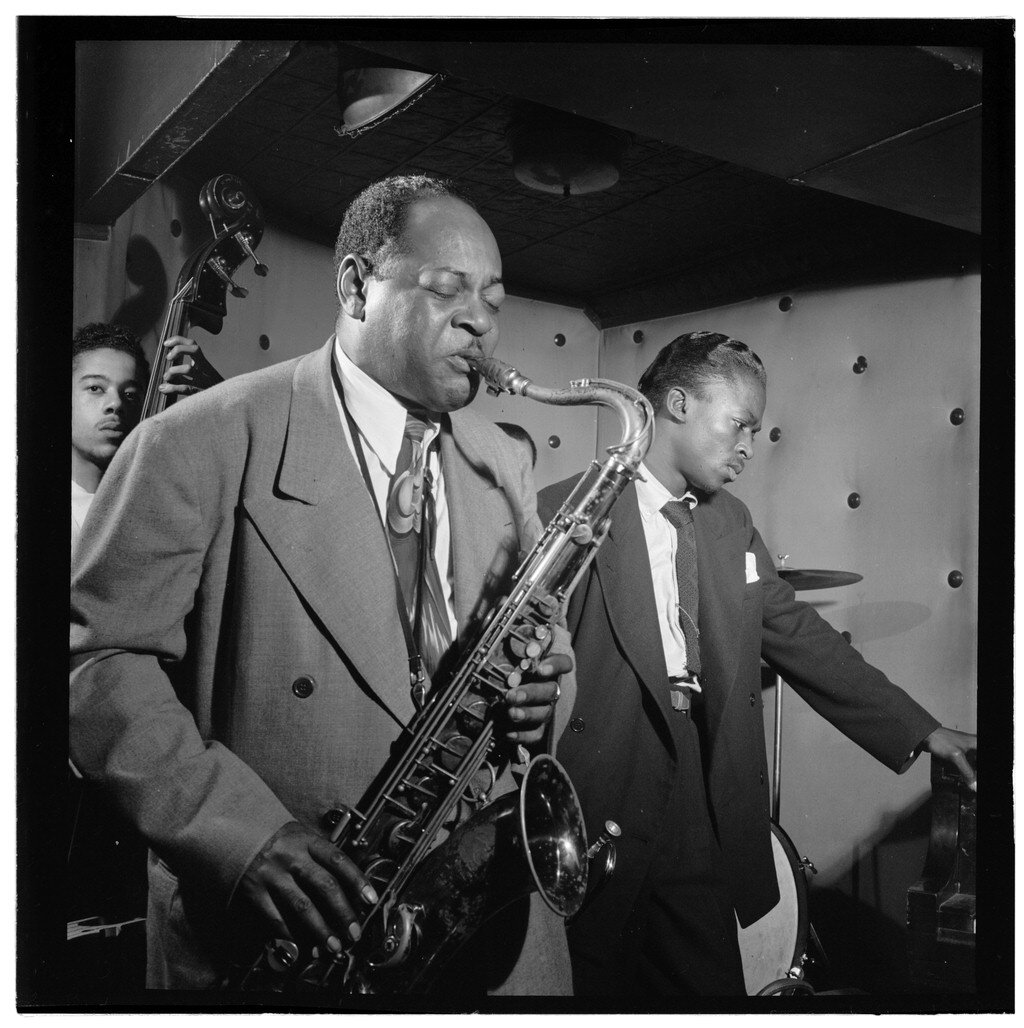
Following Parker, players like John Coltrane continued to explore the saxophone's possibilities, venturing into new realms of harmony, technique, and spiritual expression. Coltrane's intense, searching style made him one of the most influential musicians of the 20th century.
From its beginnings as a niche orchestral instrument to its starring role in jazz, the saxophone has proven to be an incredibly versatile and powerful tool for musical expression. Its journey reflects the changing landscape of music itself.
Now, let's test your knowledge on the saxophone's history.
Who is credited with inventing the saxophone in the 1840s?
What was the primary musical role Adolphe Sax envisioned for his new instrument?
From Adolphe Sax's workshop to the stages of jazz clubs around the world, the saxophone has had a remarkable history, becoming a beloved and essential voice in modern music.