The Russian Revolution Explained
Pre-Revolutionary Russia
The Tsar's World
At the turn of the 20th century, the Russian Empire was a world of its own, sprawling across two continents. It was ruled by an autocrat, Tsar Nicholas II, who believed his power came directly from God. There was no constitution to limit his authority and no elected parliament to represent the people. The Tsar's word was law, enforced by a vast bureaucracy and a secret police force that stamped out dissent.
autocracy
noun
A system of government where one person holds absolute, supreme power, without any legal or political constraints.
Russian society was a rigid pyramid. A tiny elite of nobles and high-ranking clergy sat at the top, owning most of the land and wealth. Below them was a small but growing middle class of professionals and merchants. The vast base of the pyramid, over 80% of the population, was made up of peasants, many of them former serfs who were only freed in 1861.
| Class | Role in Society | Approximate Population |
|---|---|---|
| Ruling Class | Tsar, royal family, government ministers | Less than 1% |
| Upper Class | Nobility, high clergy, top military officers | Around 12% |
| Middle Class | Merchants, professionals, bureaucrats | Around 2% |
| Working Class | Factory workers, miners, artisans | Around 4% |
| Peasantry | Farmers, rural laborers | Over 80% |
A Land of Peasants and Workers
Life for most Russians was a constant struggle. The emancipation of the serfs had not solved the peasantry's biggest problem: a desperate shortage of land. Families were large, but their plots of land were small and often infertile. They were burdened by heavy taxes and redemption payments for the land they had received. Primitive farming techniques led to frequent crop failures and famines. Many peasants looked with resentment at the vast estates of the nobility that lay just beyond their own meager fields.
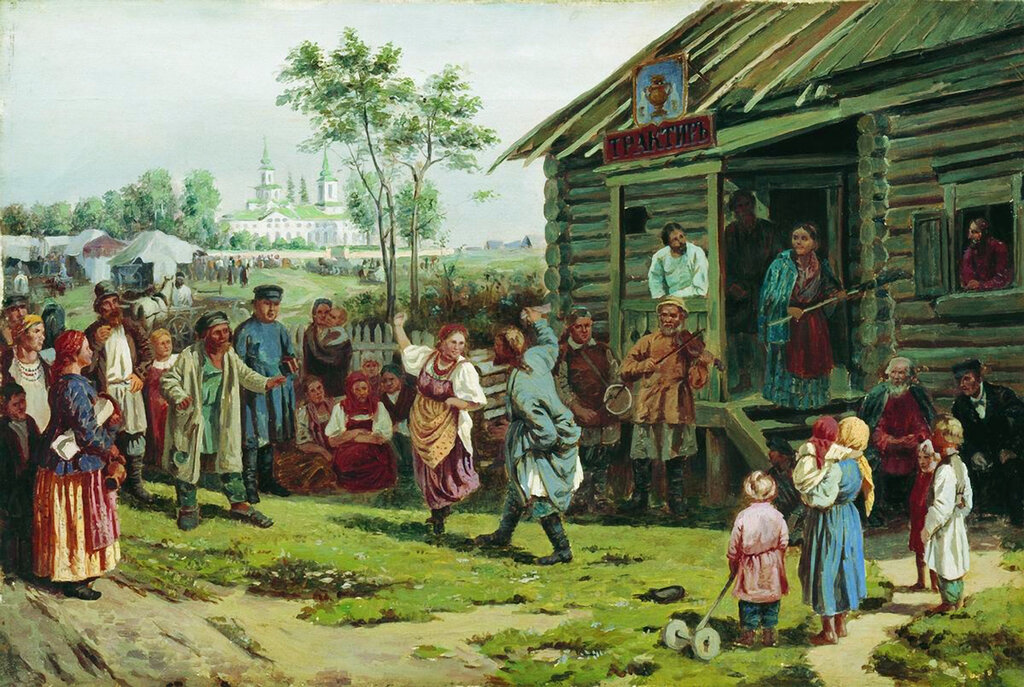
Starting in the 1890s, Russia began a rapid push to industrialize, funded largely by foreign investment. Factories, mines, and railways sprang up, and millions of peasants flocked to cities like St. Petersburg and Moscow in search of work. This created a new social class: the urban proletariat, or working class.
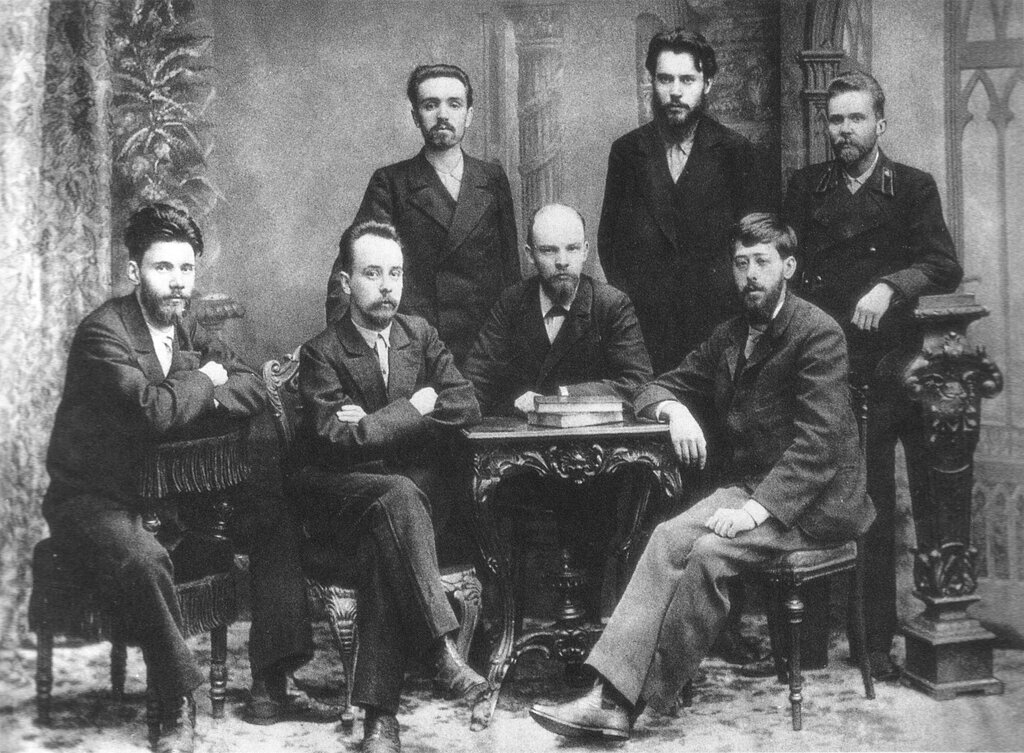
These workers faced brutal conditions. Hours were long, wages were miserably low, and housing was overcrowded and unsanitary. There were no legal trade unions to protect them and strikes were illegal. In these grim urban centers, revolutionary ideas began to find fertile ground. Small groups of educated radicals, inspired by the writings of Karl Marx, started organizing workers and spreading their message of class struggle.
Shocks to the System
Two major events in the early 1900s shook the foundations of the Tsar's regime. The first was the Russo-Japanese War of 1904-1905. The Tsar expected an easy victory over a nation he saw as inferior. Instead, the Russian army and navy suffered a series of catastrophic and humiliating defeats. The war exposed the government's incompetence and corruption, shattering the myth of Russian military might and turning public opinion sharply against the Tsar.
The defeat in the Russo-Japanese War wasn't just a military loss; it was a deep psychological blow to the autocracy's prestige at home and abroad.
Anger over the war, combined with the ongoing economic hardship, boiled over into the Revolution of 1905. It began on a Sunday in January when unarmed workers, led by a priest, marched to the Tsar's Winter Palace in St. Petersburg to present a petition for better conditions. Troops opened fire on the crowd, killing hundreds. This event, known as "Bloody Sunday," destroyed the people's long-held view of the Tsar as their benevolent protector.
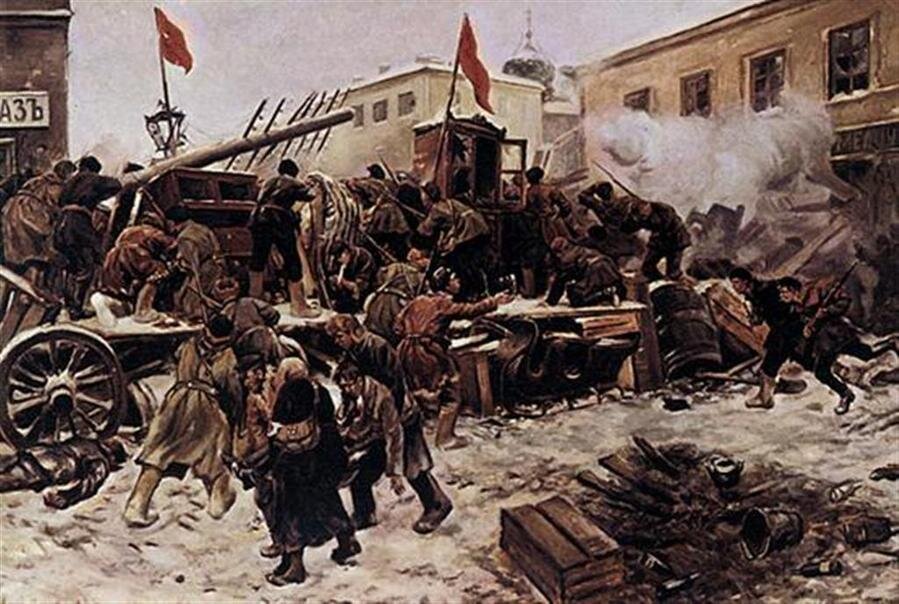
The massacre sparked a wave of strikes, peasant uprisings, and military mutinies across the empire. Workers formed councils, or "soviets," to coordinate their actions. Faced with the collapse of his authority, Tsar Nicholas II reluctantly issued the October Manifesto. He promised civil liberties, like freedom of speech, and the creation of an elected parliament, the Duma.
However, these concessions were limited. The Tsar retained veto power and could dissolve the Duma at will, which he did multiple times. While the 1905 Revolution was ultimately suppressed, it served as a crucial dress rehearsal for 1917. It showed that the regime was vulnerable and gave the Russian people their first taste of political power.
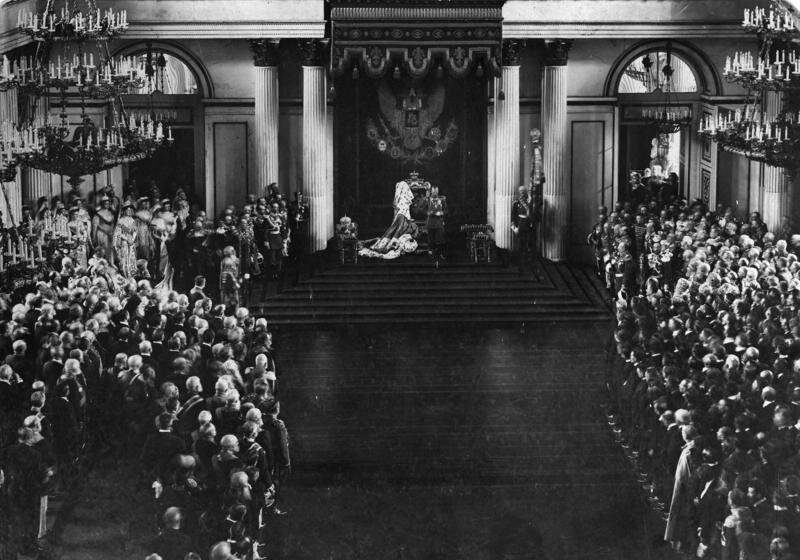
By 1914, Russia was a deeply divided and unstable country. The Tsar's reforms had proven to be half-measures. The fundamental problems of land, poverty, and political oppression remained unsolved. The empire was teetering on the edge, and the immense strain of World War I would soon push it over.
Check your understanding of the forces that set the stage for revolution.
Which of the following best describes the political system in Russia at the turn of the 20th century?
What was the most significant outcome of the Russo-Japanese War (1904-1905) for the Tsarist regime?
These simmering tensions and unresolved conflicts created a powder keg. All that was needed was a spark to ignite a revolution that would change the course of world history.