The Rule of Thirds in Photography and Video
Introduction to Composition
What is Composition?
Composition is simply the way you arrange things in your frame. Whether you're taking a photo or shooting a video, you decide what goes where. Think of it like arranging furniture in a room. A thoughtful arrangement feels inviting and makes sense. A random one feels chaotic and confusing.
Good composition does the same for your images. It guides the viewer's eye to the most important parts of the scene, creates a specific mood, and helps tell a story without words. It’s the difference between a quick snapshot and a compelling photograph.
Composition turns a simple image into a story by intentionally placing elements to create harmony, tension, or focus.
Creating Balance
Every element in your frame has a certain “visual weight.” A large, bright red barn, for example, feels much heavier than a small, distant gray fence post. Balance is about distributing this weight so the image doesn't feel lopsided or empty in one area.
There are two main ways to achieve balance: symmetry and asymmetry.
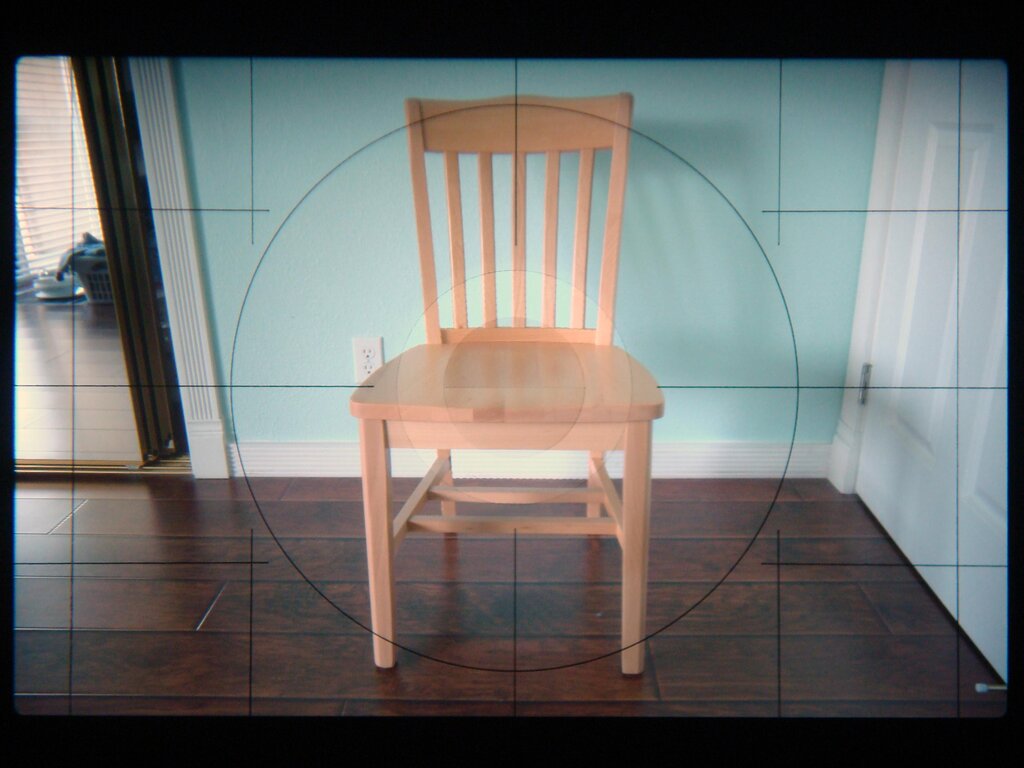
Symmetrical balance is when you split the frame in half, and both sides are mirror images of each other. This creates a feeling of stability, formality, and peace. Think of a portrait where someone is looking directly at the camera, perfectly centered, or a landscape with a mountain reflected perfectly in a lake.
Asymmetrical balance is more common and often feels more dynamic. It occurs when you have objects of different visual weights on either side of the frame, but they still feel balanced. For example, a large object close to the center on one side can be balanced by a smaller object farther from the center on the other side. This arrangement feels more natural and less staged.
Guiding the Viewer's Eye
Beyond balance, great composition actively directs where people look. Two powerful techniques for this are leading lines and framing.
Leading Lines
noun
Lines within an image that draw the viewer's eye toward a specific point of interest.
Leading lines are paths for our eyes to follow. They can be straight or curved, obvious or subtle. Roads, fences, rivers, and even the edge of a shadow can act as leading lines. They create depth and pull the viewer deeper into the image, leading them directly to your subject.
Framing involves using elements within the scene to create a natural frame around your main subject. A doorway, a window, or overhanging tree branches can all serve as frames. This technique adds depth to the image and isolates your subject, making it clear what the viewer should focus on.
These basic principles—balance, leading lines, and framing—are the building blocks of strong composition. Mastering them will help you create images that are not just seen, but felt.
What is the primary purpose of good composition in photography?
A photograph of a long, winding road that draws your eye towards a small house in the distance is primarily using which compositional technique?