The Rule of Thirds in Photography and Video
Introduction to Composition
Arranging the World in a Frame
Composition is simply the way you arrange things in your photo or video. Think of it like setting a dinner table. You don't just throw the plates and forks down. You place them carefully to make the meal look appealing and guide your guests' experience. In visual arts, composition does the same thing: it arranges the elements within your frame to guide the viewer's eye and tell a story.
A well-composed image feels balanced and intentional. It directs attention to what's important and can create feelings of harmony, tension, or wonder. A weak composition can make a scene feel chaotic or boring, even if the subject itself is interesting. The goal is to make conscious choices about where everything goes, turning a simple snapshot into a compelling image.
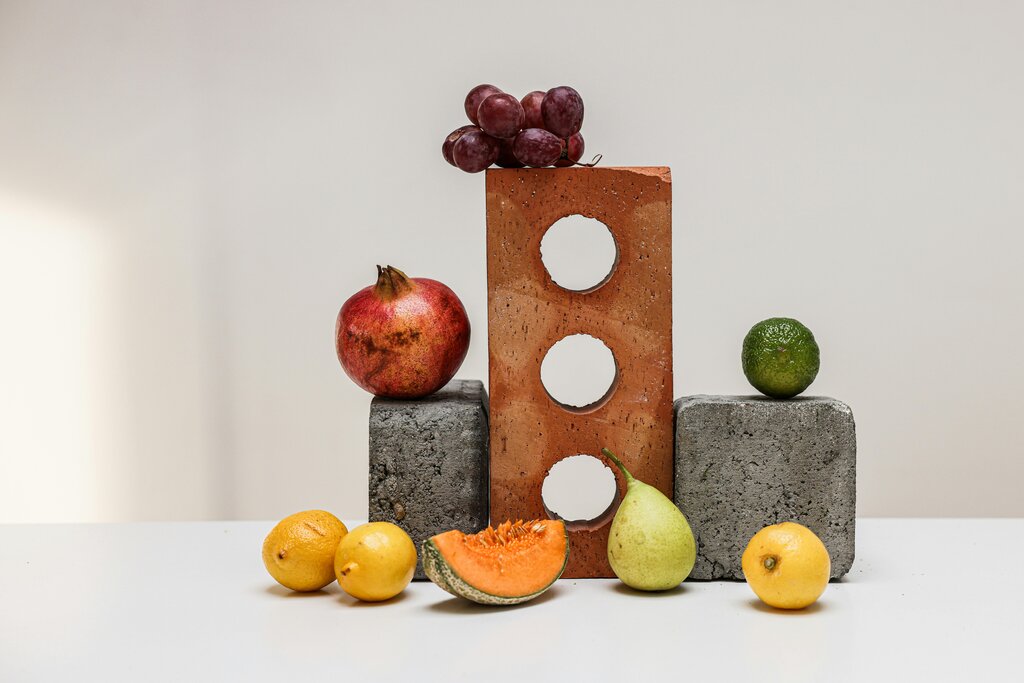
Four Tools for Better Photos
There are no strict rules in art, but there are timeless guidelines that can help you build stronger compositions. Think of them as tools, not laws. Here are four foundational techniques to start with.
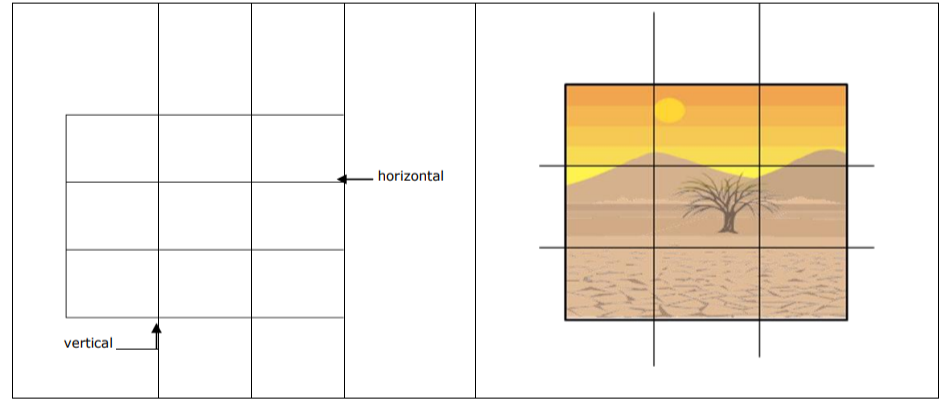
The Rule of Thirds is a fundamental guideline in visual arts, including photography, that helps photographers create balanced and engaging compositions.
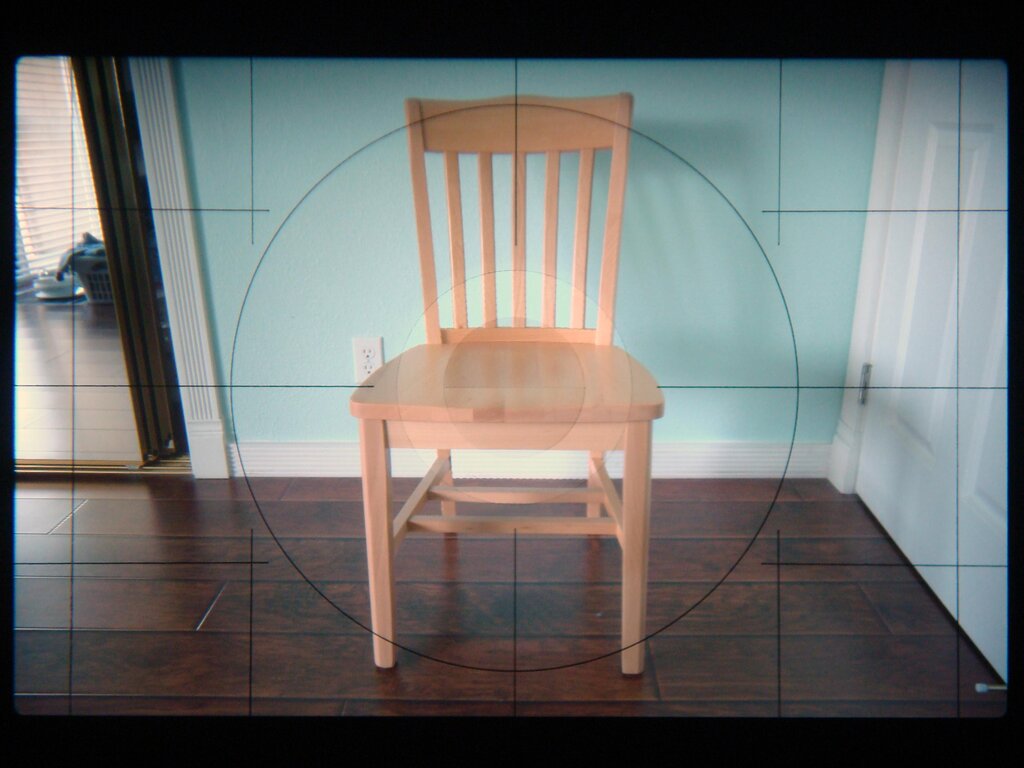
The Rule of Thirds is one of the first guidelines most photographers learn. Imagine your frame is divided into nine equal parts by two horizontal and two vertical lines. Instead of placing your main subject dead center, try putting it on one of the lines or where two lines intersect. This often creates a more dynamic and natural-looking image.
Leading lines are paths for the viewer's eye to follow. These can be roads, fences, rivers, or even the line of a person's arm. Use these lines to draw attention through the scene, often leading directly to your main subject. This creates a sense of depth and movement.
Framing involves using elements within the scene to create a natural frame around your subject. A doorway, a window, or overhanging tree branches can all serve as frames. This technique adds depth to your image and helps isolate your subject, drawing more attention to it.
Finally, consider depth of field. This refers to how much of your image is in sharp focus. A shallow depth of field, where the background is blurry, makes your subject stand out. A deep depth of field, where everything from the foreground to the background is sharp, is great for capturing expansive landscapes. Changing your depth of field is a powerful way to control where the viewer looks.
By understanding these basic tools, you can start making more deliberate choices about what you include in your frame and where you place it. This is the first step toward telling stronger visual stories.
Ready to test your knowledge? Let's see what you've learned about composition.
What is the primary goal of good composition in photography?
According to the Rule of Thirds, where should you place the main subject for a more dynamic image?
Mastering these techniques will transform how you see the world through a lens.