The Rule of Thirds
Introduction to Composition
Arranging Your World
Composition is simply the way you arrange the elements in your photograph or video. Think of it like arranging furniture in a room. You could just toss everything in, or you could place each piece thoughtfully to create a space that feels inviting and makes sense. In visual media, composition guides the viewer's eye, creates a mood, and helps tell your story more effectively.
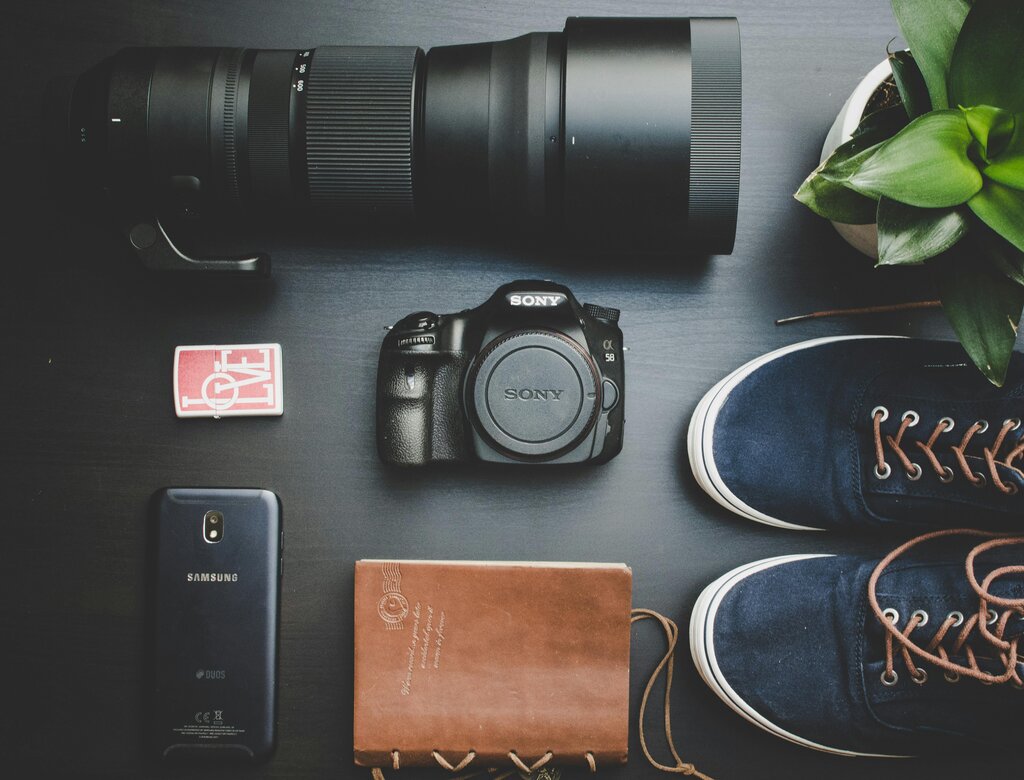
A strong composition can turn a simple snapshot into a compelling image. It’s the difference between a picture of a thing and a picture about a thing. It gives your subject context and directs attention to what's most important. You don't need a fancy camera to create good compositions; you just need to start seeing the world in terms of its visual parts.
The Building Blocks
Every image is made of the same basic ingredients. Learning to see them is the first step toward controlling your composition.
Lines: Our eyes naturally follow lines. They can be straight, curved, diagonal, or jagged. Use them to lead the viewer into the scene or to connect different parts of your image.
Shapes: Everything in your frame is a shape, whether it’s a person (an organic shape) or a building (a geometric shape). How you arrange these shapes and the space around them is central to composition.
Colors: Color sets the mood. Warm colors like red and yellow can feel energetic or happy, while cool colors like blue and green often feel calm or somber. You can use similar colors for a harmonious feel or contrasting colors to make an element pop.
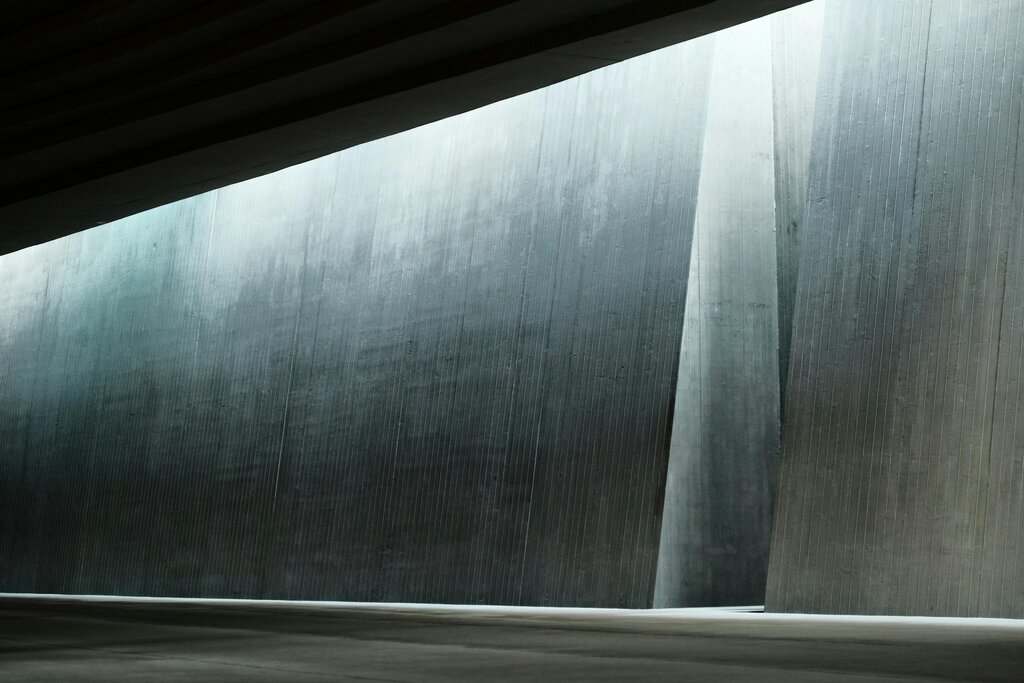
Textures: Texture adds a sense of touch to a visual medium. Think of the roughness of a brick wall, the smoothness of still water, or the softness of a sweater. Highlighting texture can make your image feel more real and three-dimensional.
Finding Balance
Visual balance is about distributing the “weight” of the elements in your frame so the image feels stable and complete, not tilted or lopsided. A large, dark object on one side might feel “heavier” than a small, light object. There are two main ways to achieve balance.
Symmetrical balance creates a sense of order, formality, and peace. It’s achieved when you mirror elements on either side of a central line.
Think of a perfect reflection in a lake or a portrait where the subject is looking directly at the camera. The two halves of the image are essentially mirror images. While it can be very powerful, it can also feel static if overused.
Asymmetrical balance is more common and often feels more dynamic. Instead of mirroring elements, you balance a large object on one side with several smaller objects on the other. For example, a large tree on the left side of the frame could be balanced by two small rocks on the right. The visual weight is still distributed evenly, but the composition feels more natural and less rigid.
Guiding the Viewer's Eye
Beyond just arranging elements, great composition actively directs where people look. Two simple techniques for this are leading lines and framing.
Leading lines are visual paths—like roads, fences, or rivers—that draw the viewer's eye from the foreground deep into the image, often toward the main subject.
These lines create a sense of depth and movement. They don't have to be straight; a winding path can be even more effective at making the viewer feel like they are traveling through the scene.
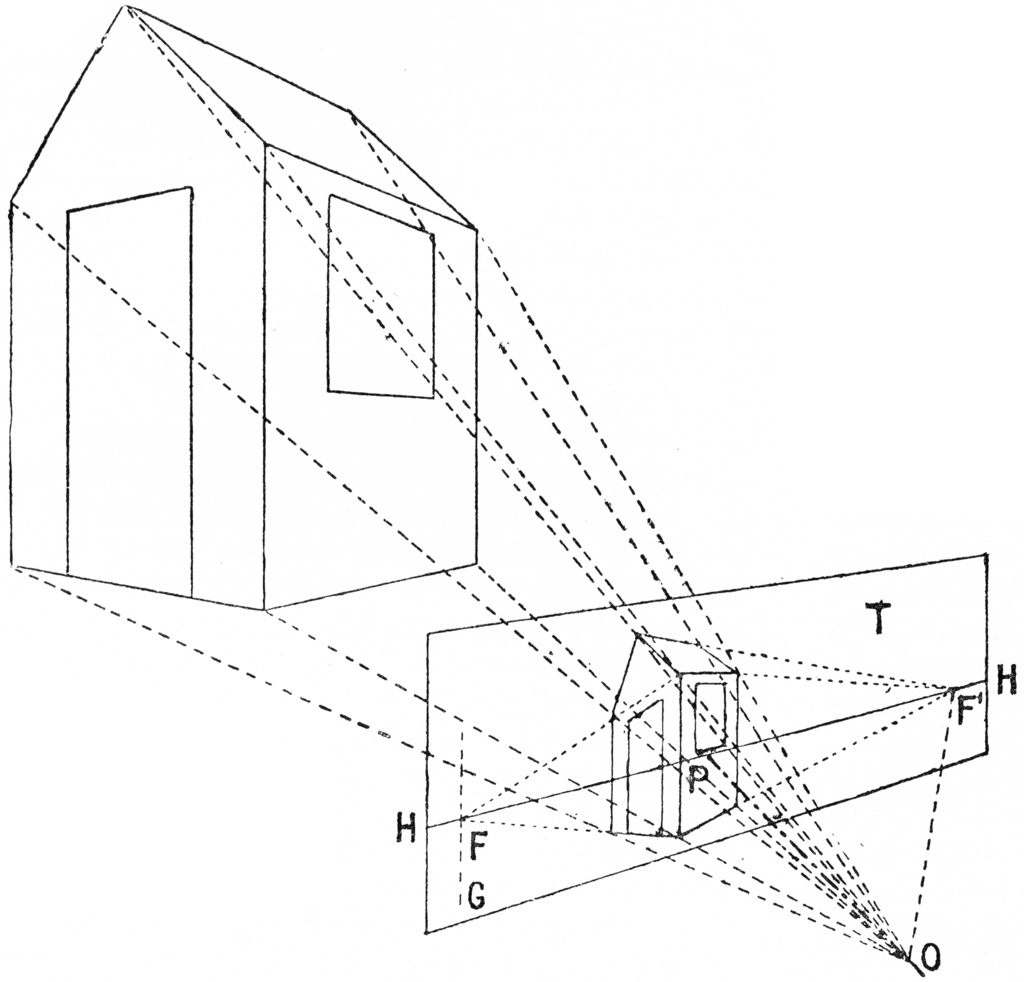
Framing involves using elements in the foreground to create a “frame” around your main subject. This could be a doorway, a window, or even overhanging tree branches.
This technique adds depth to the image and isolates your subject, drawing immediate attention to it. It makes the viewer feel like they are peeking into a scene, which can create a more intimate and focused experience.
These are just the starting points. The best way to learn composition is to practice. Start looking for these elements in the world around you and in photos you admire. Soon, you'll be arranging them yourself to create more powerful images.