The Rousing World of Sea Shanties
Introduction to Sea Shanties
Songs of the High Seas
Before the age of steam engines, sailors on large merchant vessels relied on pure muscle to get their work done. Hoisting massive sails and weighing anchor required the entire crew to pull and push together. To coordinate their efforts, sailors developed a special kind of music: the sea shanty.
These are traditional work songs that sailors primarily used during the 18th and 19th centuries.
A shanty is a work song with a specific job to do. Its rhythm wasn't for dancing; it was for synchronizing tasks. Imagine a dozen men trying to haul on a single rope. If they all pull at different times, they're working against each other. But if they all pull on the same beat, their combined strength is powerful. The sea shanty provided that beat.
Rhythm for the Work
Shanties worked in a call-and-response format. A lead singer, known as the shantyman, would sing a verse. The rest of the crew would roar back with the chorus, timing their physical exertion with the song's rhythm. The shantyman was often an experienced sailor who knew how to pace the song to match the energy needed for the job at hand.
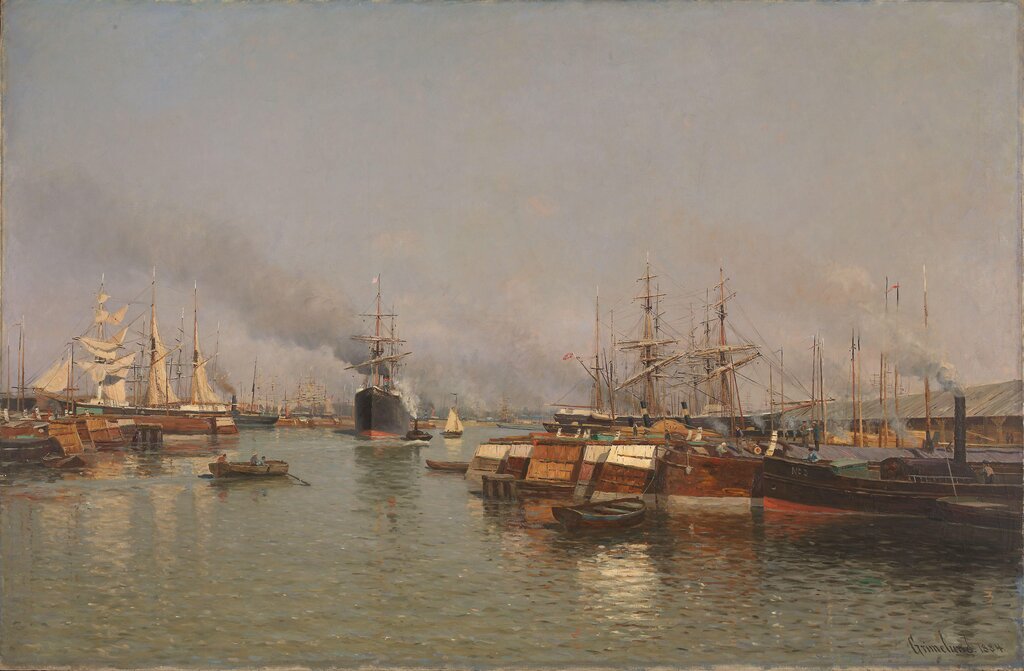
The type of shanty depended entirely on the task. Different jobs required different rhythms. Some tasks needed quick, forceful pulls, while others demanded slow, steady pressure. Sailors had a song for nearly every major piece of work on the ship.
Sea Shanties had different rhythms for different tasks, for example, the capstan shanties.
| Shanty Type | Task | Rhythm Description |
|---|---|---|
| Short-drag | Quick pulls on a rope (e.g., trimming sails) | Fast, with one strong pull per chorus. |
| Halyard | Heavier, sustained hauling (e.g., hoisting sails) | Slower, with two coordinated pulls per chorus. |
| Capstan/Windlass | Continuous pushing (e.g., weighing anchor) | Rhythmic and steady, for long, monotonous work. |
Not Just Any Sea Song
It's a common mistake to call any song about the sea a shanty. Sailors certainly had other songs, known as sea songs or forecastle (fo'c'sle) ditties. These were sung during leisure time below deck. Unlike shanties, they were for entertainment, telling stories of naval battles, faraway lands, or loved ones back home.
The distinction lies in their purpose and usage, though the internet often lumps all nautical tunes together under the "shanty" label.
The key difference is function. A shanty was a tool used for labor, with its rhythm tied directly to a physical task. A sea song was for recreation, with no work-related purpose. So while a song might be about sailing, it's only a shanty if it was sung to get work done.
With the rise of steam power in the late 19th and early 20th centuries, machines began to do the heavy lifting on ships. The need for coordinated manual labor dwindled, and the sea shanty, a practical tool of the age of sail, faded from the open water.
What was the primary function of a sea shanty?
A song sung by sailors for entertainment during their off-hours is correctly called a _________.