The Rosetta Stone Decipherment
Ptolemaic Political Context
The Decree of Memphis
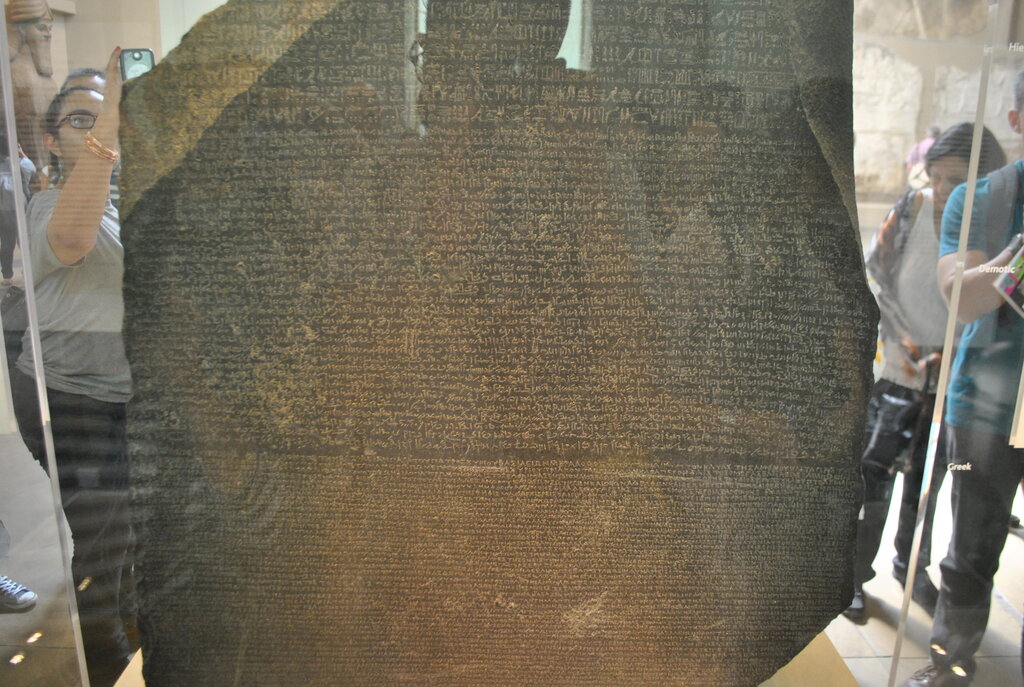
The Rosetta Stone is famous as a linguistic key, but its original purpose was far more practical. The text carved into its surface isn't a poem or a story; it's an official decree issued in 196 BC by a council of Egyptian priests in the city of Memphis. The decree confirms the divine cult of the then-reigning monarch, Ptolemy V, on the first anniversary of his coronation.
Why was this necessary? The political climate was tense. The Ptolemaic dynasty, of Greco-Macedonian origin, had ruled Egypt since the death of Alexander the Great, but they were still seen as foreign occupiers by many native Egyptians. Ptolemy V had inherited the throne as a mere child and his early reign was plagued by court intrigue and widespread revolts in the country. The Memphis Decree was a piece of political maneuvering. In exchange for the priests' public declaration of loyalty and recognition of his divine status, the king granted them significant tax exemptions. It was a classic 'I'll scratch your back if you scratch mine' arrangement, designed to shore up the young king's legitimacy and quell internal dissent by winning over the powerful and influential native priesthood.
A Tale of Three Scripts
The most significant aspect of the decree for modern history is its trilingual format. This wasn't for literary flair; it was a calculated decision to ensure the king's message reached every important segment of Ptolemaic society. Each script served a distinct purpose and audience within the kingdom's socio-political hierarchy.
| Script | Audience | Function |
|---|---|---|
| Hieroglyphic | Priests, temple officials | Sacred and ceremonial. Used for holy texts and monumental inscriptions. Its use honoured Egyptian religious tradition. |
| Demotic | Native Egyptian administrators, scribes, general populace | Administrative and everyday use. This was the common script for legal documents, letters, and records. |
| Ancient Greek | Royal court, ruling elite, bureaucracy | Language of government. This was the native tongue of the Ptolemaic rulers and the official language of the administration. |
By publishing the decree in all three scripts, the Ptolemaic state ensured that its message of royal divinity and tax breaks for the clergy was undeniable. It could be read on temple walls by priests, processed in government offices by Greek-speaking officials, and understood by local Egyptian scribes handling legal matters. The stone was a tool for mass communication in a multicultural empire.
A Tool for Unification
The existence of the Rosetta Stone is a direct consequence of the cultural and political balancing act of the Ptolemaic dynasty. The rulers were Greek, but they governed an ancient and proud Egyptian civilization. To maintain control, they couldn't simply impose their own culture. Instead, they often adopted Egyptian customs and religious practices for public consumption, presenting themselves as legitimate Pharaohs. This is a practice known as syncretism, blending different beliefs and practices.
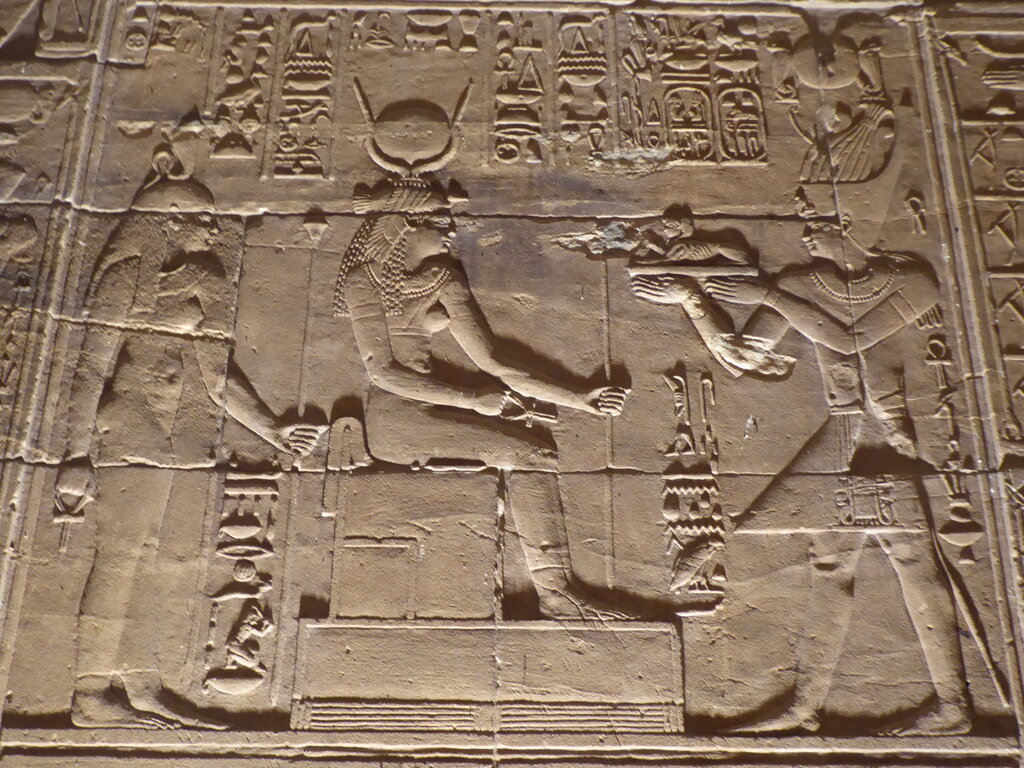
The trilingual stelae, of which the Rosetta Stone is just one example, were instruments of this policy. They projected a unified message of royal authority that spoke to each major cultural group in its own language. It was a recognition that to rule Egypt effectively, one had to command the respect of both the Greek-speaking administration and the native Egyptian population, especially its powerful priesthood. The stone is therefore not just a key to a lost language, but a snapshot of a dynasty solidifying its power by bridging a cultural divide.
Understanding this political context is crucial. It explains why the stone was created in the first place, revealing it to be a masterfully crafted piece of political communication designed to ensure stability in a kingdom at a crossroads.