The Roots of Communal Rights in Human Society
Communal Rights Defined
Beyond the Individual
We often think of rights as personal possessions, like the right to free speech or the right to privacy. These are individual rights, shields that protect our personal autonomy. Communal rights, however, operate differently. They aren't held by one person, but by a group as a whole. They protect the shared interests, identity, and resources of a community.
Think of it this way: an individual right is about “my” freedom, while a communal right is about “our” collective well-being.
This distinction is crucial. While your right to own a home is an individual property right, a community's right to manage a shared forest or water source is a communal one. The value isn't in dividing the resource up, but in preserving it for the entire group, often across generations. These rights acknowledge that some aspects of human life—culture, heritage, and environment—are fundamentally collective.
Rights in the Real World
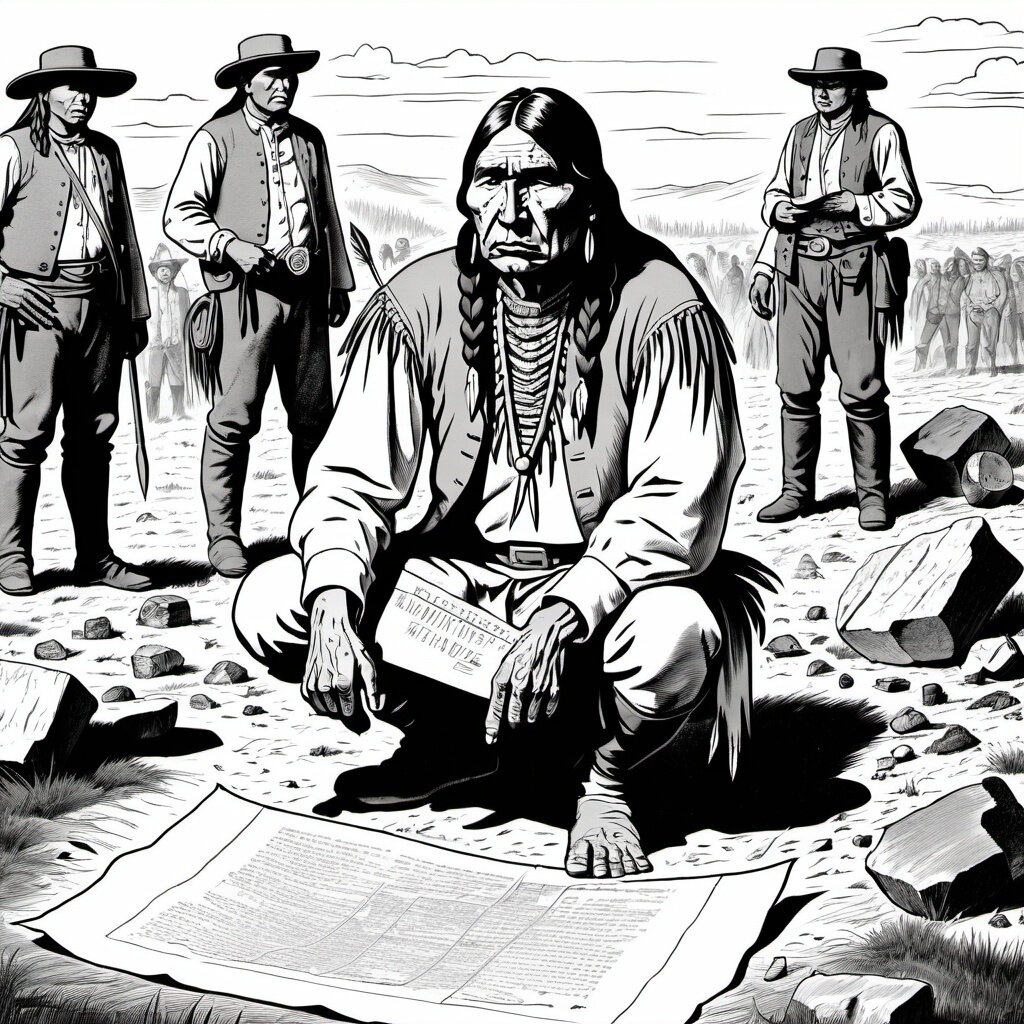
Communal rights aren't just an abstract theory; they have powerful, real-world applications. One of the most prominent examples is , where a community, rather than individuals, holds the title to ancestral lands. This right is not just about ownership in a modern legal sense. It's deeply intertwined with cultural identity, spiritual practices, and the community's historical connection to the place they live.
Another powerful example comes from the workplace: . Individually, a single employee has limited power to negotiate wages or working conditions with a large company. But when workers act as a group through a union, they exercise a communal right to negotiate on equal footing. The resulting contract applies to everyone in the group, securing benefits that would be nearly impossible to win alone. This right is founded on the principle that unity creates a power that protects the entire group's economic interests.
The Idea Behind It All
The philosophical basis for communal rights is the idea of collective ownership and group entitlements. This perspective argues that some goods are indivisible and essential to a group's identity and survival. A shared language, for example, cannot be owned by one person; it belongs to the entire community of speakers. The right to preserve and promote that language is therefore a communal one.
The research begins by contextualizing the historical context of colonial and post-colonial land policies that have systematically marginalized tribal communities, leading to dispossession and displacement.
This leads to the concept of group entitlements, which suggests that certain communities may be entitled to specific rights as a collective due to their shared history, culture, or circumstances. These entitlements are not granted to individuals within the group, but to the group as a single entity. They serve to correct historical injustices or to protect vulnerable cultures from being absorbed by a dominant majority, ensuring the group can maintain its distinct identity and way of life.
Let's test what you've learned about the fundamentals of communal rights.
What is the primary distinction between an individual right and a communal right?
Collective bargaining, where a union negotiates for all its members, is an example of a communal right.
Understanding these core concepts provides a foundation for exploring the more complex ways these rights function in law and society.