The Roots of Brazilian Jiu-Jitsu
Origins of Judo
The Man Behind the Way
In the late 19th century, a young man named Jigoro Kano felt frustrated. He was physically small and often bullied, which sparked a desire to become stronger. This quest led him to the world of jujutsu, the traditional martial arts of Japan's samurai class.
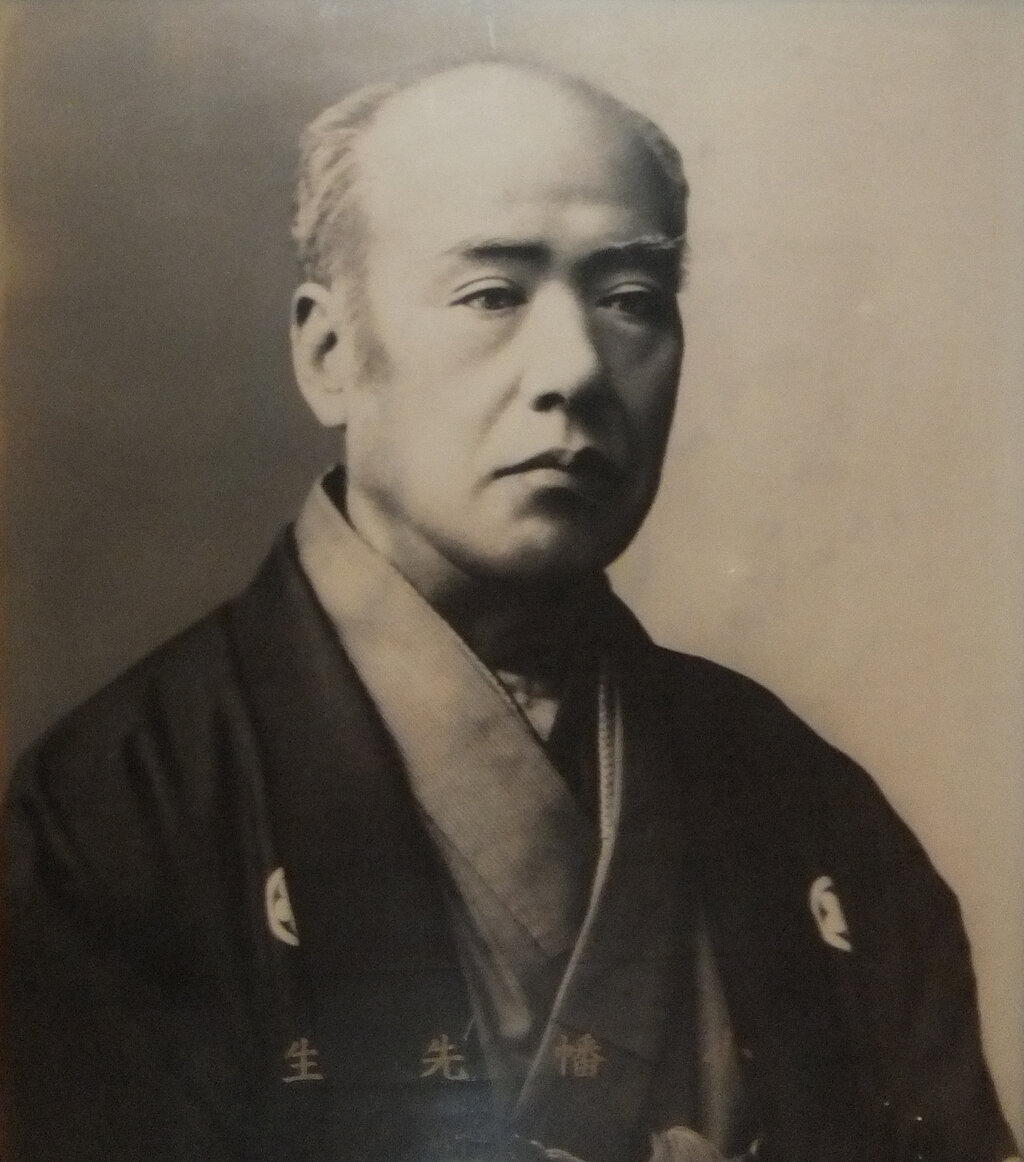
But Kano was more than just a martial artist; he was an educator and a reformer. He saw great value in the techniques of jujutsu but also recognized their limitations. Many schools focused on brutal, dangerous moves that weren't suitable for regular practice. He envisioned something more: a system that could not only serve as self-defense but also as a form of physical education and moral development.
From Jujutsu to Judo
Jujutsu wasn't a single, unified art. It was a collection of different combat systems, or schools (ryū), each with its own secret techniques developed over centuries of feudal warfare. These arts specialized in using an opponent's own force and momentum against them, allowing a smaller person to overcome a larger one. Kano immersed himself in several styles, most notably Tenjin Shin'yō-ryū and Kitō-ryū, mastering their principles of grappling and throwing.
But one thing is certain about different stories, and that is that the Japanese were responsible for refining a grappling art into a very sophisticated grappling system called “Jiu-Jitsu” which was developed in Japan during the Feudal Period.
He meticulously studied these methods, discarding the most dangerous techniques and refining the rest. His goal was to create a dō, a 'way' or 'path', that could be practiced safely by anyone. In 1882, he established his own school in Tokyo, called the Kodokan, or "a place for studying the way." He named his new system Judo, the "gentle way."
Judo
noun
A modern Japanese martial art and Olympic sport created in 1882 by Jigoro Kano. The name means 'the gentle way.'
A Philosophy in Motion
The shift from "jutsu" (art or technique) to "do" (way or path) was profound. Kano wasn't just teaching people how to fight; he was offering a philosophy for life. He established two core principles for Judo.
The first is Seiryoku Zen'yō, which translates to "maximum efficiency, minimum effort." This is the physical foundation of Judo. It’s about using your energy wisely, not fighting strength with strength. Instead, you redirect your opponent's force, using their momentum to your advantage. A well-timed throw uses very little of your own power.
Imagine someone rushing to push you. Instead of pushing back, you step aside and pull them in the direction they were already going. They lose their balance, and a small trip is all it takes to bring them down.
The second principle is Jita Kyōei, or "mutual welfare and benefit." This was the moral heart of Kano's system. He believed that the ultimate goal of Judo practice was to become a better person who contributes positively to society. In the dojo, training partners work together to improve, trusting each other to practice safely. This spirit of cooperation was meant to extend beyond the mat and into daily life.
| Principle | Japanese | Meaning |
|---|---|---|
| Maximum Efficiency | Seiryoku Zen'yō | Achieve the most with the least amount of energy. |
| Mutual Benefit | Jita Kyōei | Strive for personal growth that also benefits others. |
Kano categorized Judo techniques into three main groups: nage-waza (throwing techniques), katame-waza (grappling techniques), and atemi-waza (striking techniques). For safety in practice (randori) and competition (shiai), striking techniques were relegated to pre-arranged forms called kata and are not used in free sparring.
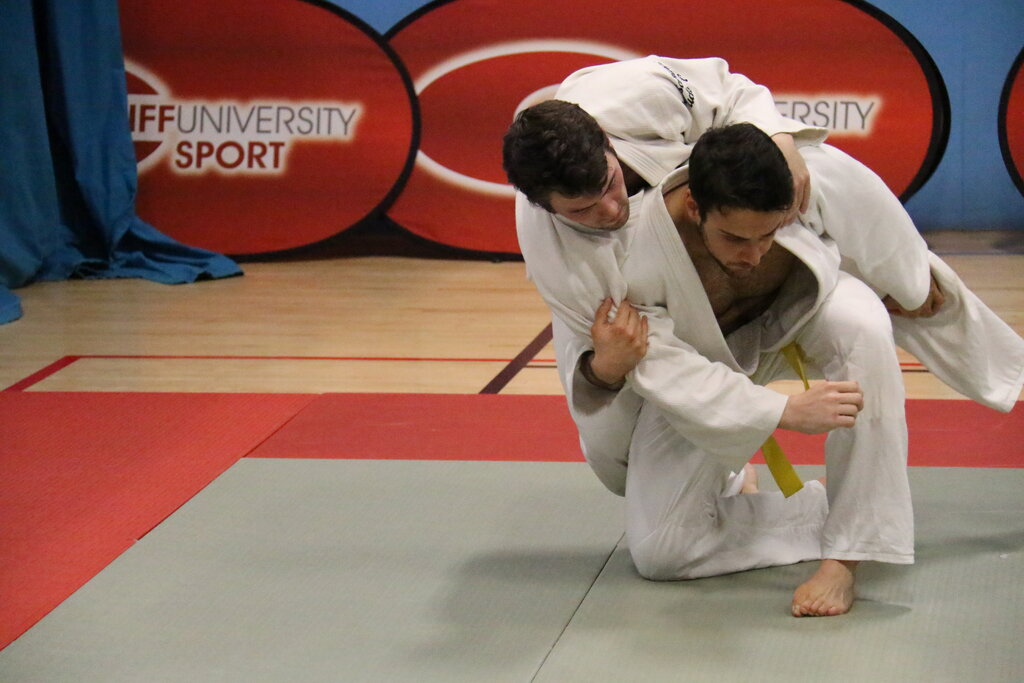
Judo spread quickly. Kano's role as an influential educator helped him introduce it into the Japanese public school system. The Kodokan sent emissaries around the world, and Judo's effectiveness and philosophy captivated people everywhere. It became a way for Japan to share its culture while promoting a system of physical and moral betterment.
What was Jigoro Kano's primary motivation for studying jujutsu and later developing Judo?
The name Judo translates to the "gentle way." This name reflects the core principle of Seiryoku Zen'yō.