The Roots and Evolution of Jazz
Origins of Jazz
A New Sound in New Orleans
At the turn of the 20th century, New Orleans was a city buzzing with a unique energy. A port city on the Mississippi River, it was a crossroads of cultures: African, French, Spanish, Caribbean, and American traditions all mingled in its streets, creating a vibrant cultural gumbo. Out of this mix, a new sound began to emerge, something that had never been heard before. It was a music born from pain and joy, freedom and oppression.
Jazz stands as one of America’s most significant cultural contributions to the world, a musical art form that emerged from the unique blend of African American experiences, European harmonic traditions, and the melting pot of New Orleans culture at the turn of the 20th century.
This new music didn't come from a single source. It was a fusion, a brilliant combination of different styles and sounds that found fertile ground in the African American communities of the city.
The African Roots
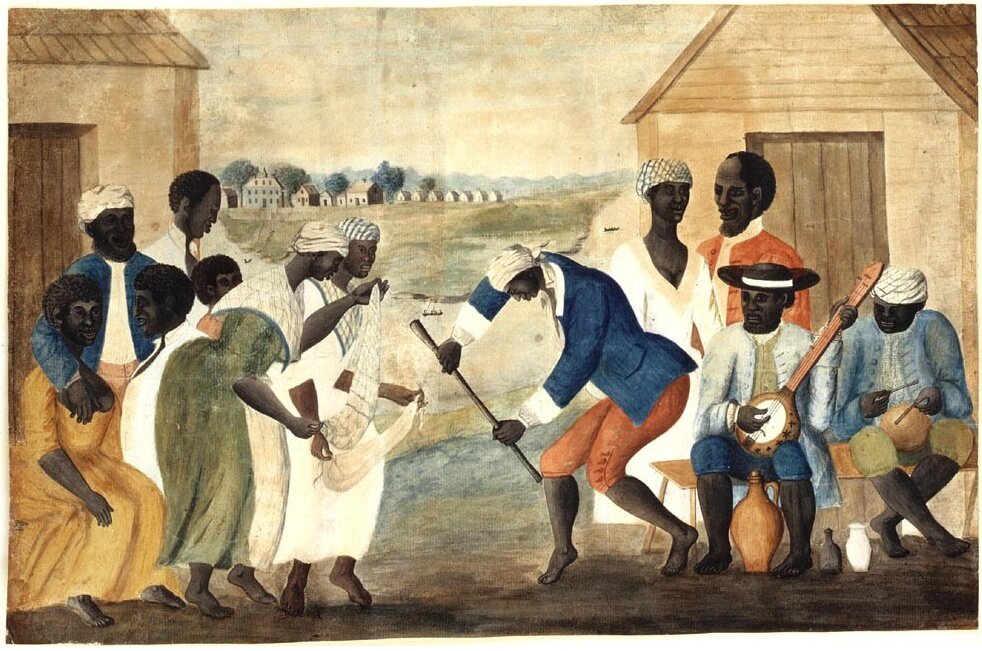
The foundation of jazz is deeply rooted in the musical traditions of West Africa, carried to America by enslaved people. These traditions were a vital part of life, a way to connect, communicate, and preserve cultural identity. Key elements included complex polyrhythms—multiple rhythms played at the same time—and the practice of call-and-response, where a leader sings or plays a phrase and a group responds.
These African musical traditions were not just about performance; they were a form of storytelling and community building, a lifeline to a shared heritage.
In New Orleans, there was a unique place where these traditions could be practiced openly: Congo Square. On Sundays, enslaved and free Black people gathered here to socialize, trade, and, most importantly, make music and dance. The powerful, layered drumming and rhythmic expression that filled the square were a direct link to African heritage, keeping the rhythmic heart of jazz beating for generations.
A Blend of Influences
While African rhythms provided the pulse, jazz also absorbed elements from other musical styles popular at the time. European harmonic structures, found in church hymns and classical music, provided the chord progressions that melodies and solos could be built upon. Two other genres were especially important ingredients in the creation of jazz: ragtime and the blues.
Ragtime
noun
A musical style, popular from the 1890s to the 1910s, characterized by its syncopated or 'ragged' melody played over a steady, marching bass line, primarily on the piano.
Ragtime was a formal, written music, but its syncopated, off-beat melodies gave it a lively, ragged feel that was electrifying. Early jazz musicians took this syncopation and loosened it up, using it as a springboard for improvisation.
The blues provided the emotional soul. Born from the spirituals and work songs of enslaved African Americans in the Deep South, the blues was a form of personal expression, telling stories of hardship, love, and loss. Jazz adopted the characteristic "blue notes"—notes played at a slightly different pitch for expressive effect—and the 12-bar chord progression that is still a foundation of jazz today.
The Sound of the City
These ingredients—African rhythms, European harmony, ragtime syncopation, and bluesy soul—all came together in the hands of New Orleans musicians. A major catalyst was the city's love for brass bands.
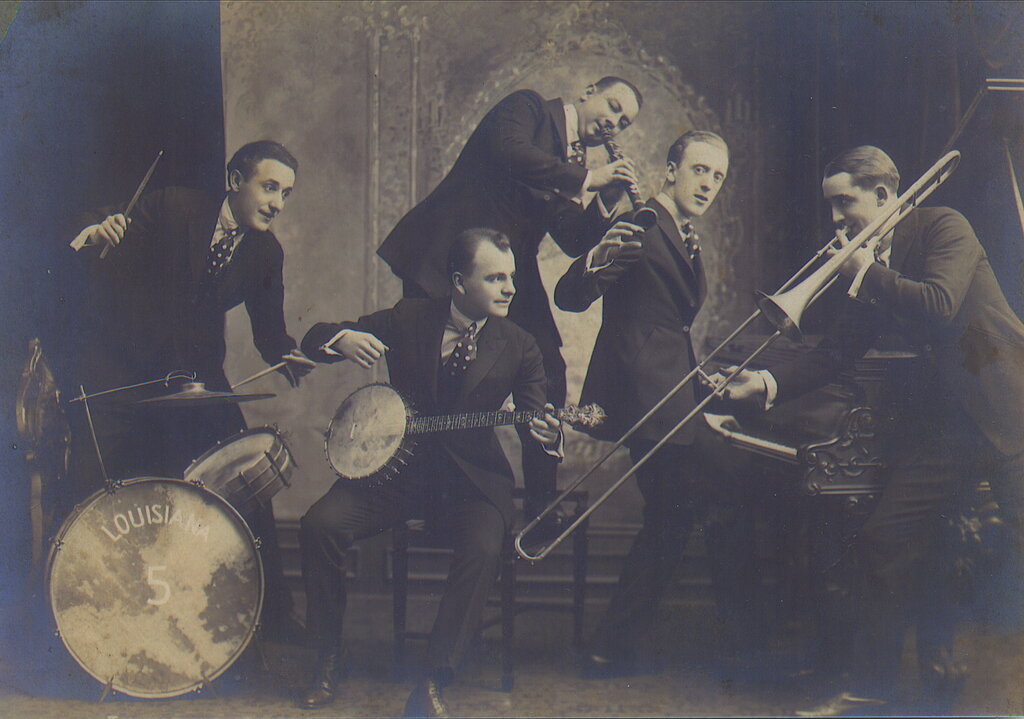
After the Civil War, cheap surplus military band instruments became widely available. Brass bands became a staple of New Orleans life, playing for everything from parades and funerals to dances and parties. These bands marched through the streets, playing military marches and popular tunes.
But African American musicians began to play this music differently. They injected it with the syncopated energy of ragtime and the soulful feeling of the blues. They started to embellish melodies, playing around the beat and adding their own improvised flourishes. A standard march could be transformed into a swinging, rhythmic celebration. This was the birth of jazz.
In the vibrant, sometimes chaotic, and culturally rich environment of New Orleans, a new American art form was born. It was a music that reflected the diverse experiences of its creators and a sound that would soon take the world by storm.
Let's check your understanding of how this unique musical form came to be.
Which location in New Orleans was a crucial space for the open practice and preservation of West African musical traditions, such as complex drumming and call-and-response?
Which of the following best describes the contribution of ragtime to the development of early jazz?