The Roman Synthesis: Paul’s Masterpiece in Context
Situational Context of Rome
A Church Divided
Paul’s letter to the Romans wasn't written in a vacuum. It was a practical tool designed to solve a specific problem in a specific place: the house churches of 1st-century Rome. To understand the letter, we have to understand the mess Paul was stepping into.
The trouble started in 49 AD. The Roman historian Suetonius tells us Emperor Claudius expelled all Jews from Rome because of “continuous disturbances at the instigation of Chrestus.” Most scholars agree “Chrestus” is a misspelling of Christ. This means conflicts between non-Christian Jews and the growing number of Jewish Christians had become so disruptive that the emperor kicked them all out.
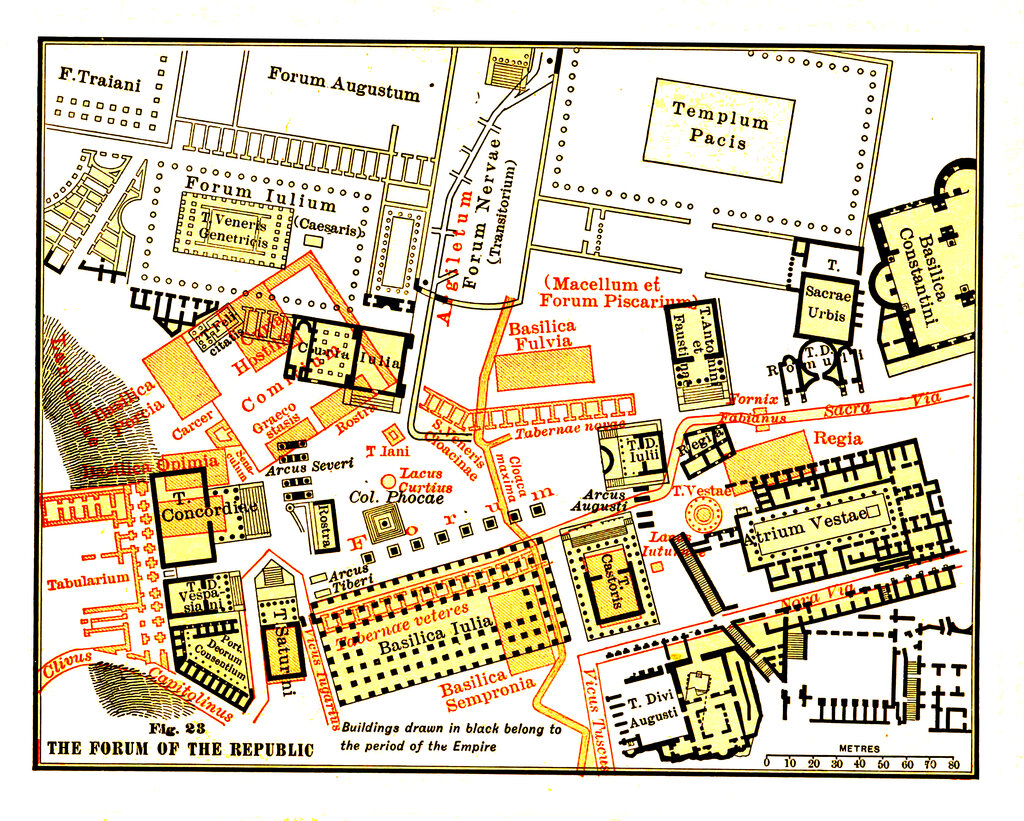
This imperial edict dramatically reshaped the Roman church. Since the Roman authorities didn't distinguish between ethnic Jews and Jewish followers of Jesus, both groups were forced to leave. The house churches, which had been founded by Jewish Christians, were suddenly left in the hands of Gentile converts.
Over the next five years, these Gentile believers steered the church's culture and practices. When Claudius died in 54 AD, the edict lapsed, and Jewish Christians began to trickle back into the city. They returned to churches that felt foreign. The leadership was Gentile, and many Jewish customs, like observing kosher dietary laws and the Sabbath, had been set aside. This created immediate friction.
The Weak and the Strong
This tension is the key to unlocking the letter to the Romans. Paul addresses two factions, which he labels 'the weak' and 'the strong.'
-
The Weak: These were likely the returning Jewish Christians. They held to traditional Jewish practices regarding food (eating only vegetables to avoid non-kosher meat) and observing special holy days. Paul calls them 'weak' in faith not to insult them, but because their faith was still tied to these external observances.
-
The Strong: This group consisted of the Gentile Christians who now led the churches. They felt their freedom in Christ meant they were no longer bound by Jewish law. They ate meat freely and didn't see certain days as more sacred than others. They were 'strong' because their faith didn't depend on these rules.
The conflict wasn't just about theology; it was about culture and identity. The strong looked down on the weak as legalistic, while the weak judged the strong as lawless and disrespectful to tradition. The church was fractured along ethnic and cultural lines.
| Faction | Identity | Core Belief/Practice | Perceived Fault |
|---|---|---|---|
| The Weak | Jewish Christians | Adherence to dietary laws and Sabbath | Seen as legalistic |
| The Strong | Gentile Christians | Freedom from Jewish law | Seen as licentious |
Paul’s Strategic Goal
Paul wasn't just writing to play mediator. He had a grander ambition: a missionary journey to Spain, the western edge of the known world. Rome was the perfect staging ground for this mission. It was a major hub with resources and influence. But he couldn't use a divided church as his home base.
His letter to the Romans is a masterclass in theological diplomacy. Paul needed to unify these warring factions so they would support his mission to Spain. To do this, he had to dismantle the very foundation of their conflict. He argues that both groups, Jew and Gentile, are equally sinful and equally saved by God's grace through faith in Jesus Christ. Neither group has grounds to boast over the other.
Paul's core message was radical: righteousness isn't achieved through adherence to Jewish law or by celebrating Gentile freedom. It is a gift from God, available to all on the same terms.
By systematically explaining this 'righteousness of God,' Paul levels the playing field. He shows the Jewish Christians that their heritage doesn't give them a special status and assures the Gentile Christians that their freedom isn't a license to disregard their brothers. His entire theological argument is aimed at this practical outcome: creating a unified church in Rome that could partner with him in spreading the gospel to new frontiers.
According to the historian Suetonius, why did Emperor Claudius expel all Jews from Rome in 49 AD?
In Paul's letter, 'the weak' in faith were most likely the returning Jewish Christians.