The Roman Empire Unveiled
Origins of Rome
A City of Myth and Mud
Every great story needs a dramatic beginning, and Rome’s is no exception. According to legend, the city was founded by twin brothers, Romulus and Remus. They were the sons of a princess and the god Mars, but a jealous king ordered them to be abandoned in the Tiber River. Instead of drowning, their basket washed ashore, where a she-wolf discovered and nursed them.
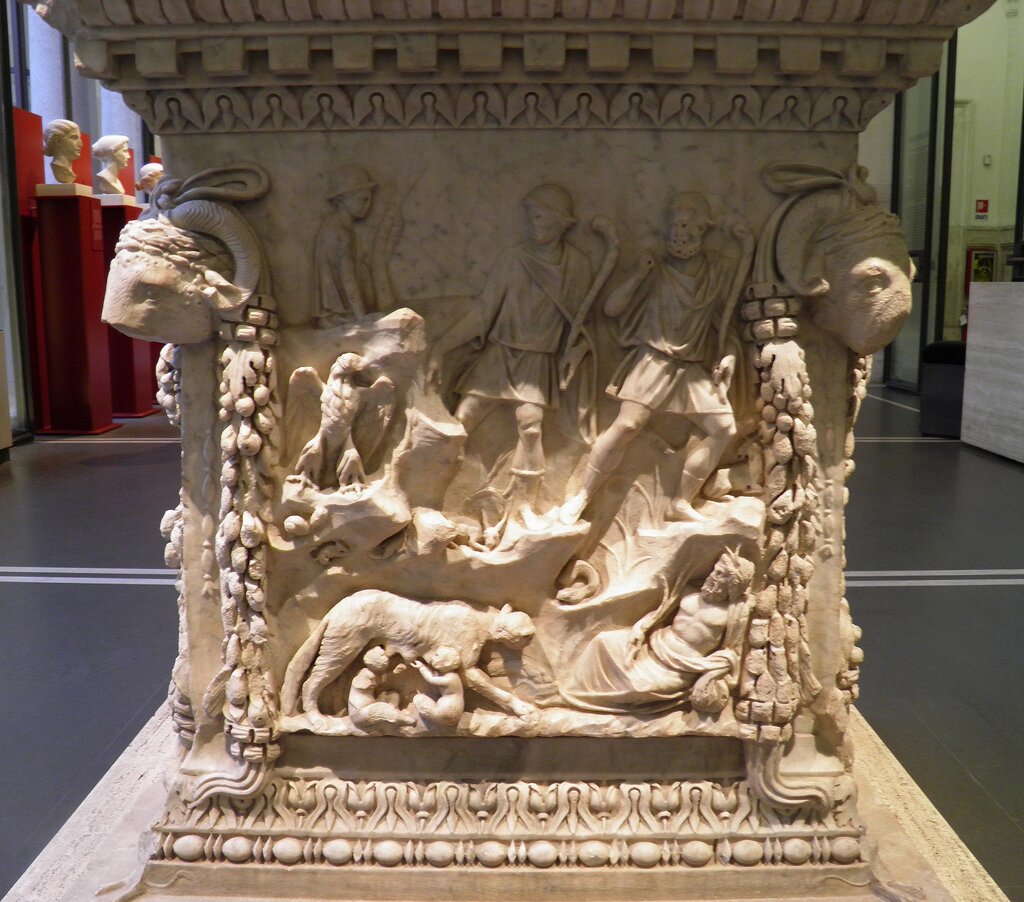
A shepherd later found and raised the boys. As adults, they decided to build a city near the spot where they were saved. But they argued over who should rule it. To settle the dispute, they looked for a sign from the gods. Remus saw six vultures, but Romulus saw twelve. Romulus claimed victory and began building a wall around his chosen hill, the Palatine.
In a final, fatal quarrel, Remus mocked the low wall by jumping over it. Enraged, Romulus killed him, declaring, "So shall it be for all who dare to cross my walls." He named the new city Rome, after himself, and became its first king. It's a gritty, memorable tale, blending divine will with human ambition and violence.
From Huts to a Hub
While the legend is compelling, the archaeological reality is a bit more humble. Long before it was an empire of marble, Rome was a collection of simple huts. Around the 8th century BCE, small settlements began to appear on the hills overlooking the Tiber River, especially the Palatine Hill. These early Romans were likely Latin-speaking shepherds and farmers, drawn to the area for its fertile soil and strategic location.
The hills provided natural defense, and the river was a crucial resource. It offered fresh water and a convenient trade route to the sea, without being so close as to invite pirate raids. The marshy valleys between the hills were eventually drained, creating a central meeting place that would become the Roman Forum. This location was a crossroads of cultures and commerce, perfectly positioned to grow.
The Etruscan Touch
Rome did not develop in a vacuum. To the north lived the Etruscans, a sophisticated and powerful civilization in the region of modern-Tuscany. Their influence on early Rome was immense. As Rome grew from a village into a city, it absorbed many Etruscan ideas and technologies.
The Romans learned how to be a city from the Etruscans. They adopted Etruscan engineering, religious practices, and even symbols of power.
From the Etruscans, Romans learned advanced building techniques, like constructing arches and draining swamps. They also adopted religious rituals, such as interpreting the will of the gods by observing bird flight or the entrails of sacrificed animals. Even the famous Roman toga and the fasces, a bundle of rods with an axe that symbolized authority, were Etruscan in origin. In fact, several of Rome's early kings were of Etruscan descent.
The End of Kings
Rome was ruled by kings for over two centuries. The traditional list names seven, starting with Romulus. These rulers were not hereditary monarchs; they were chosen by the leading citizens. But the last king, Lucius Tarquinius Superbus, or Tarquin the Proud, was a tyrant.
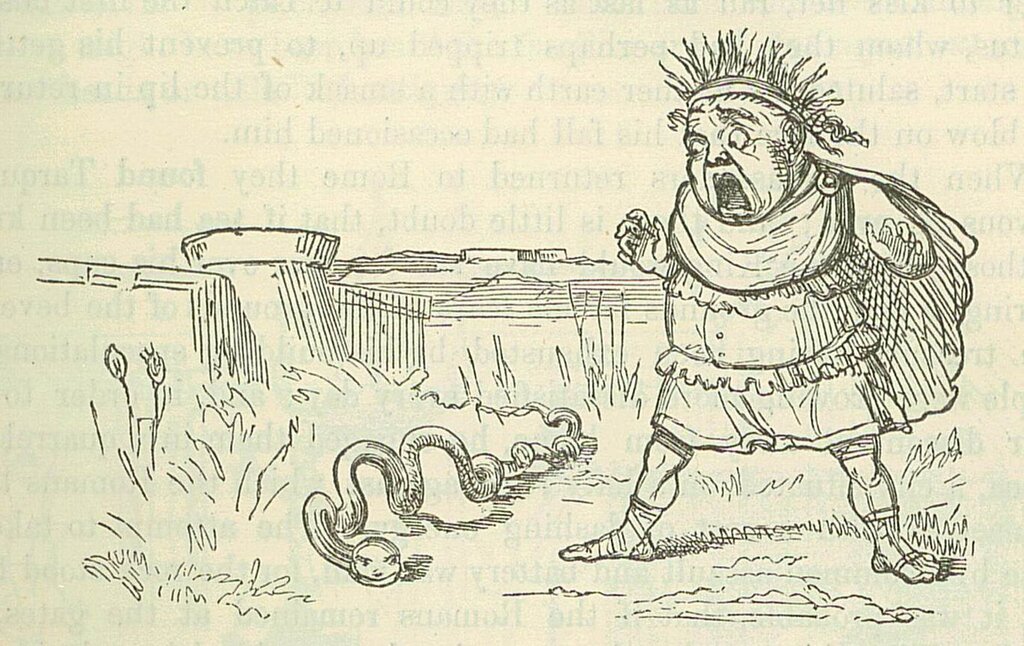
His reign was marked by cruelty and oppression. The final straw came around 509 BCE when his son committed a terrible crime against a noblewoman named Lucretia. Her subsequent suicide sparked an uprising led by a nobleman named Lucius Junius Brutus. The Roman people, fed up with the abuse of power, drove Tarquin and his family out of the city.
After overthrowing the monarchy, the Romans vowed never again to be ruled by a single king. They wanted a system where power was shared and leaders were accountable. This led to the creation of a new form of government: the Republic. It was a radical idea that would shape Rome’s destiny for the next 500 years.
According to Roman legend, who was the first king of Rome and the city's namesake?
What geographic feature was most crucial for the early settlement of Rome, providing both a trade route and natural defense?
This new republic was a turning point, setting Rome on a path from a small city-state to a dominant world power.