The Role of the Midwife
Midwifery Foundations
The Essence of Midwifery
Midwifery is a healthcare profession where providers, known as midwives, offer care to women during pregnancy, labor, and the postpartum period. But it's more than just a job; it's a philosophy. Midwives view pregnancy and childbirth as normal, healthy life events, not medical conditions. Their approach is holistic, focusing on the physical, psychological, and social well-being of the mother and baby.
This practice is as old as childbirth itself. For centuries, midwives were the primary caregivers for birthing women, passing down knowledge through generations. They were respected figures in their communities, relied upon for their expertise and support.
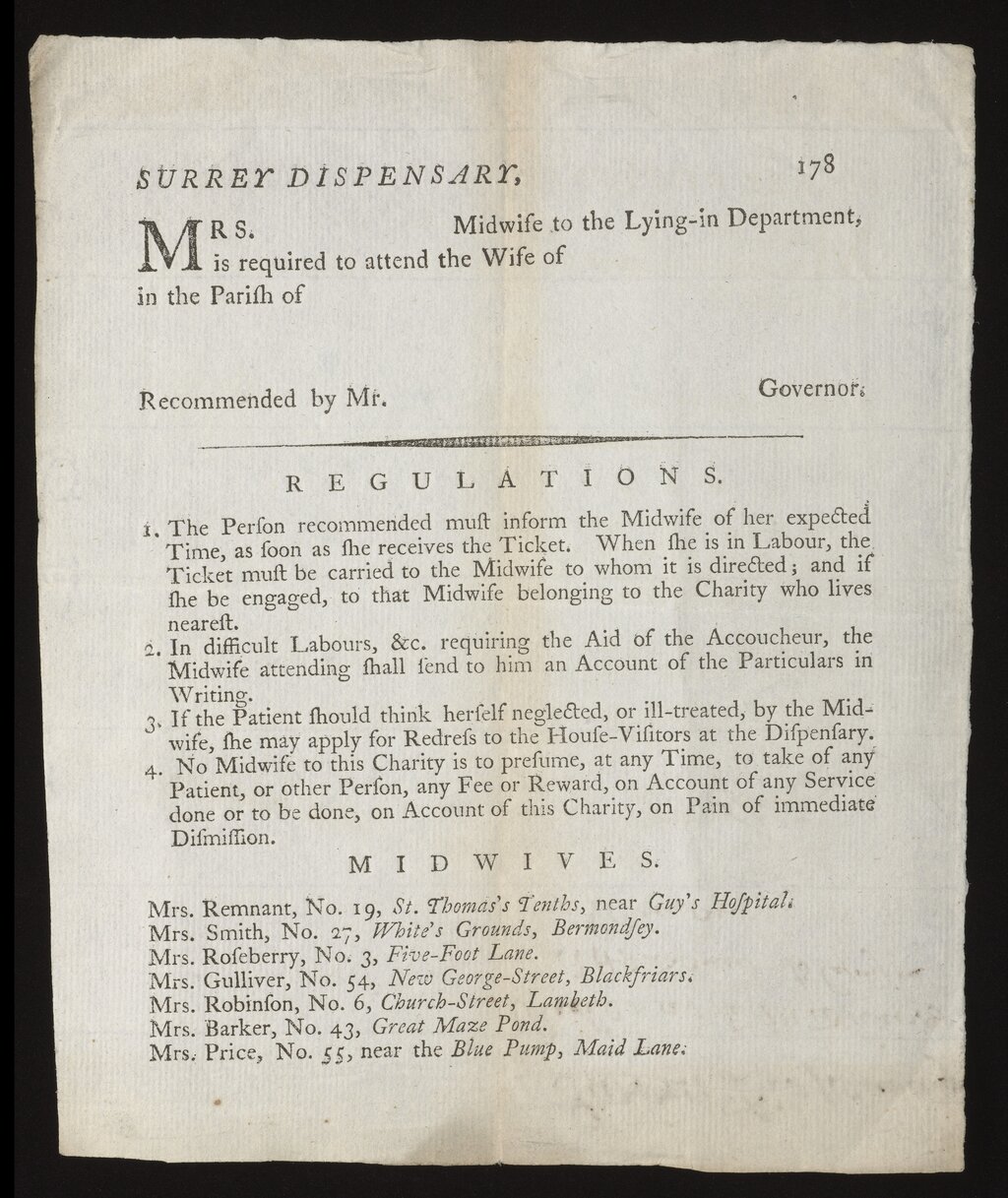
Today's midwifery blends this long-standing tradition of personalized care with modern, evidence-based medical science. Midwives are trained professionals who work in a variety of settings, from hospitals and birth centers to private homes.
Types of Midwives
In the United States, there are a few main pathways to becoming a midwife. These distinctions are important because they determine a midwife's training, credentials, and scope of practice. The three primary national certifications are Certified Nurse-Midwife (CNM), Certified Midwife (CM), and Certified Professional Midwife (CPM).
All three types of midwives are professionals who are trained and certified to provide care, but their educational backgrounds and the settings where they practice often differ.
First, let's look at the most common type of midwife in the U.S.
Certified Nurse-Midwife (CNM)
noun
A registered nurse who has graduated from a master's or doctoral-level nurse-midwifery education program and passed a national certification exam.
CNMs are licensed to practice in all 50 states and the District of Columbia. Because of their nursing background, they can provide a wide range of primary healthcare services beyond pregnancy and birth, including general wellness check-ups, gynecological exams, and family planning.
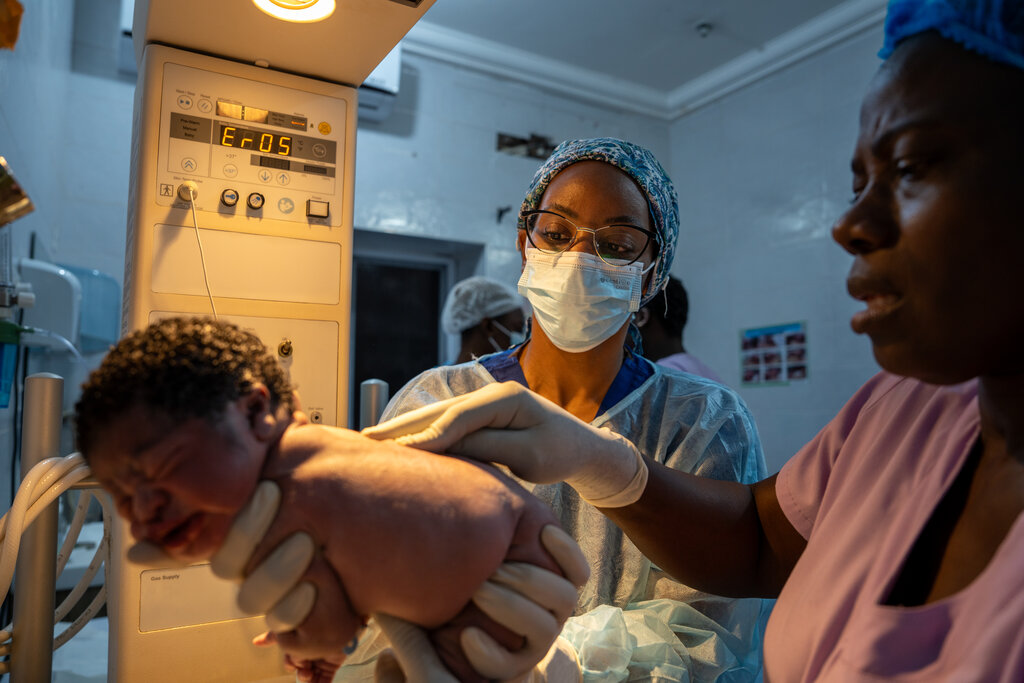
A Certified Midwife, or CM, has a similar scope of practice to a CNM, but with a different educational starting point.
Certified Midwife (CM)
noun
A professional who has completed a master's-level midwifery education program and passed the same national certification exam as CNMs, but their undergraduate degree is in a field other than nursing.
The CM credential is newer than the CNM and is currently recognized for licensure in a smaller number of states. Like CNMs, CMs primarily work in hospitals and birth centers.
Finally, there's a type of midwife who specializes in out-of-hospital settings.
Certified Professional Midwife (CPM)
noun
A midwife who has met the certification standards of the North American Registry of Midwives (NARM). Their training is focused specifically on out-of-hospital birth.
CPMs are experts in providing care in homes and freestanding birth centers. Their legal status and scope of practice vary significantly from state to state.
Pathways and Practice
The journey to becoming a midwife differs for each credential. The educational pathways, certification bodies, and legal recognition are distinct for each type.
| Credential | Education Requirement | Certification Body | Primary Practice Setting |
|---|---|---|---|
| CNM | Master's or doctorate in nursing; must be a Registered Nurse (RN) first. | American Midwifery Certification Board (AMCB) | Hospitals, Birth Centers |
| CM | Master's degree in midwifery; undergraduate degree in another field. | American Midwifery Certification Board (AMCB) | Hospitals, Birth Centers |
| CPM | Competency-based training, often through apprenticeship, and/or accredited midwifery schools. | North American Registry of Midwives (NARM) | Homes, Birth Centers |
A midwife's scope of practice—what they are legally allowed to do—is defined by state laws and regulations. For CNMs and CMs, this scope is fairly consistent across the country and includes prescribing medications and providing a broad range of reproductive healthcare. For CPMs, the legal landscape is more varied. Some states fully license and integrate CPMs into the healthcare system, while others do not.
Regardless of their specific title, all certified midwives are dedicated to providing safe, supportive, and empowering care during one of life's most significant experiences.
Time to review what you've learned about the foundations of midwifery.
What is the core philosophy of the midwifery model of care regarding pregnancy and childbirth?
Which type of midwife is licensed to practice in all 50 U.S. states and often has a background in nursing?