The Role of a Down Shipper
Introduction to Freight and Logistics
What is Freight and Logistics?
At its core, logistics is about getting things from point A to point B. It's the process of planning, implementing, and controlling the movement and storage of goods, services, and related information. Freight simply refers to the goods being transported.
Think of the last thing you bought online. Logistics is the invisible system that moved it from a warehouse, possibly across the world, right to your doorstep.
Without logistics, store shelves would be empty, factories would grind to a halt, and global trade would be impossible. It's the backbone of the modern economy, ensuring that raw materials reach manufacturers and finished products reach consumers efficiently.
The Bigger Picture: Supply Chains
Logistics is a critical piece of a much larger puzzle called the supply chain. A supply chain is the entire network of organizations, people, activities, information, and resources involved in creating and selling a product. It starts with sourcing raw materials, moves through manufacturing, and ends with delivering the final product to the customer.
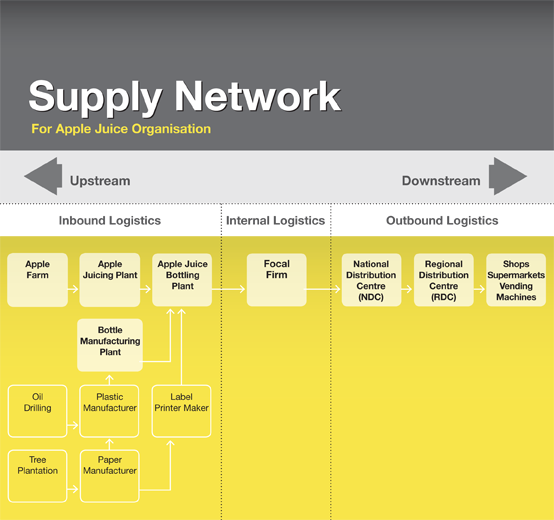
If the supply chain is the whole story of a product's journey, logistics is the chapter about how it travels. This journey can happen in a few different ways, depending on what's being moved, where it's going, and how fast it needs to get there.
How Things Move
Goods are transported using four primary modes of transportation. Each has its own strengths and is chosen based on factors like cost, speed, and the type of cargo.
| Mode | Best For | Speed | Cost |
|---|---|---|---|
| Road | Short to medium distances, flexible delivery | Fast | Medium |
| Rail | Long distances, heavy or bulk goods | Medium | Low |
| Air | Urgent, high-value, or perishable goods | Fastest | High |
| Sea | Large volumes, international shipping | Slowest | Lowest |
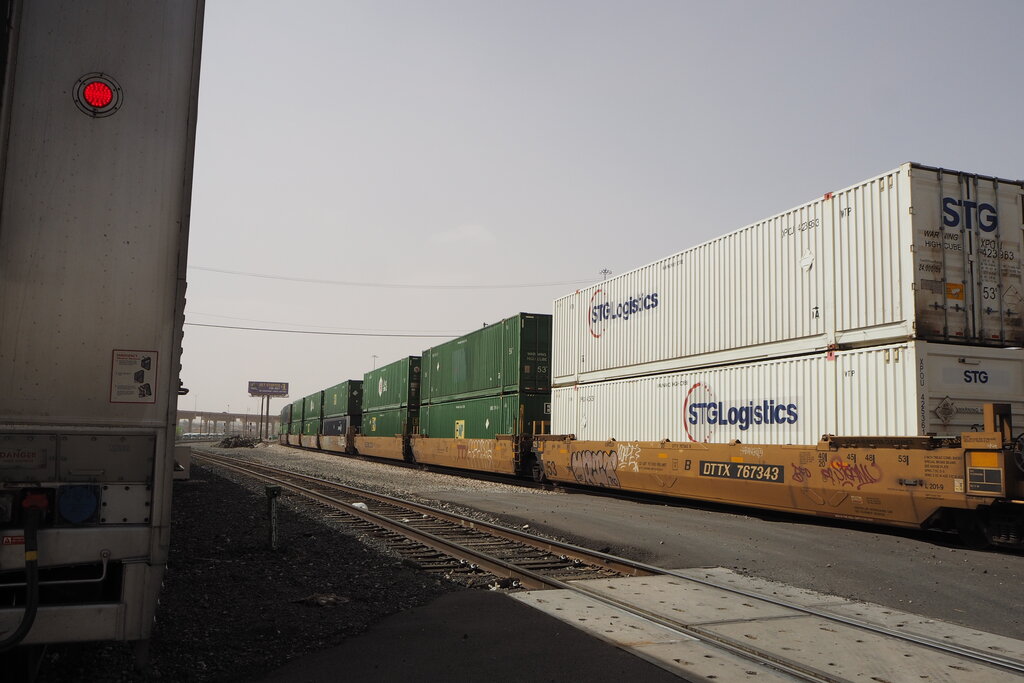
Often, a single shipment will use multiple modes of transport. For example, a container might travel by ship across the ocean, get loaded onto a train to cross the country, and then be delivered to its final destination by truck. This combination is known as intermodal transportation.
The Key Players
Several key parties work together to make the movement of freight happen smoothly. Understanding their roles is essential to understanding the industry.
Shipper
noun
The person or company that owns the goods being transported. They are the ones sending the freight.
The shipper initiates the shipment and is responsible for preparing the goods for transport.
Carrier
noun
The company that physically moves the freight. This could be a trucking company, a railroad, an airline, or a steamship line.
Carriers are the ones with the trucks, trains, planes, and ships.
Consignee
noun
The person or company who is financially responsible for the receipt of a freight shipment. This is often, but not always, the final recipient.
The consignee is the party the shipment is delivered to.
Finally, there are freight forwarders. Think of them as travel agents for freight. A forwarder doesn't own transportation assets but arranges the logistics on behalf of the shipper, often finding the best combination of carriers, routes, and pricing.
Now that we have a grasp of the basics, let's check your understanding.
Which of the following best describes the core function of logistics?
In a freight shipment, the party that initiates the shipment and prepares the goods for transport is the ____.
These concepts form the foundation of how goods move around the world. Understanding the roles of each player and the modes of transport is the first step in mastering logistics.