The Roaring Twenties Stock Market Boom and Bust
Economic Context of the 1920s
An Engine of Growth
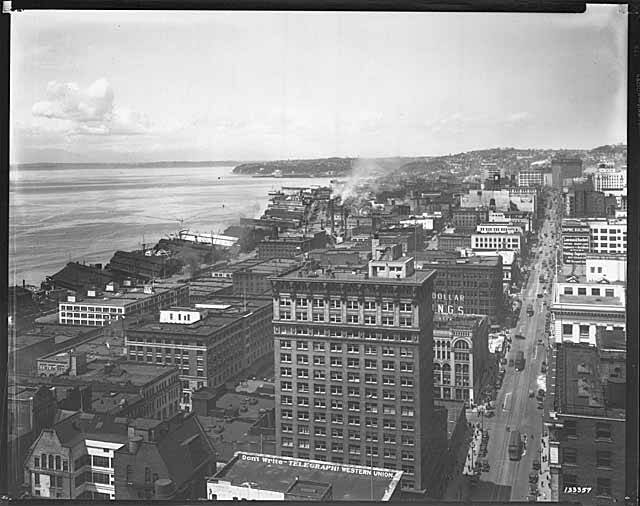
The 1920s began on a wave of relief and optimism. World War I was over, and American industry, which had geared up for the war effort, was ready to pivot. This energy unleashed a decade of stunning economic expansion, often called the 'Roaring Twenties.' It wasn't just one thing, but a powerful combination of industrial muscle and new technology that transformed the country.
At the heart of this transformation was the automobile. Henry Ford's assembly line had made the car affordable for the average family. By the mid-1920s, cars were rolling out of factories at an incredible rate. This single industry had a massive ripple effect. Making cars required huge amounts of steel, rubber, glass, and textiles. Getting them to run required gasoline and oil, and places to drive them required new roads and highways. The auto industry alone fueled a significant portion of the decade's growth.
A New Way of Life
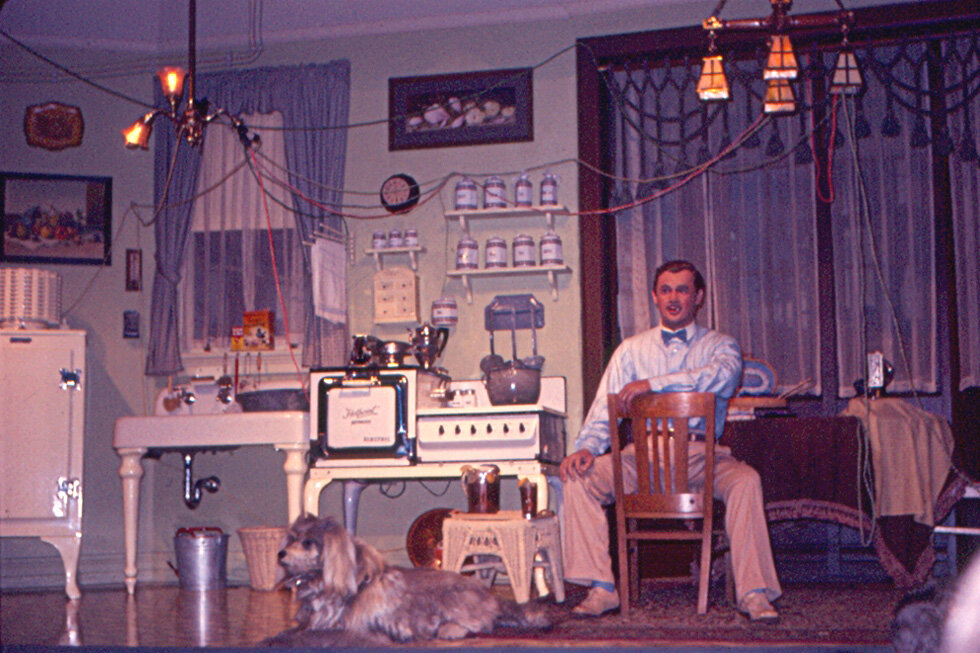
The decade was also an age of invention that directly changed how people lived. The most important development was the spread of electricity to homes and cities. This wasn't just about having light after dark; it was about power. Power for new, magical-seeming devices that promised to save time and labor.
Refrigerators, washing machines, vacuum cleaners, and radios went from being luxury items to household staples. This created a new economic cycle. Factories hired more workers to build these goods, and those workers then had money to buy them. This explosion in spending on goods and services is known as consumerism. For the first time, a large portion of the population had disposable income, and a dazzling array of new products to spend it on.
Buy Now, Pay Later
So how did ordinary people afford all these new cars and appliances? The answer was another financial innovation: consumer credit. Before the 1920s, debt was generally viewed as a last resort. But that attitude shifted dramatically.
Companies began offering installment plans, which allowed customers to buy a product with a small down payment and then pay off the balance in monthly installments. Suddenly, a family didn't need to save for years to buy a car. They could drive it home today and 'pay as you go.'
This system poured fuel on the fire of consumerism. By the end of the decade, a huge percentage of big-ticket items were bought on credit. This expansion of credit made the economy feel incredibly strong, as money flowed freely and factories worked overtime to meet the seemingly endless demand. This widespread prosperity and access to new technology bred a powerful sense of optimism about the future.
With industry booming, new technologies in every home, and easy credit available, the stage was set for an unprecedented period of financial speculation.
What single industry is identified as having the most significant 'ripple effect' on the U.S. economy during the 1920s, stimulating growth in sectors like steel, rubber, and oil?
The widespread availability of electricity in homes directly led to the rise of what economic phenomenon?