The Rise of the Rhinos Nepal Cricket History
Aristocratic Roots
Aristocratic Roots
Cricket's journey in Nepal began not on public grounds, but within the palace walls. In the 1920s, Lieutenant-General Madan Shumsher JBR, son of the prime minister, returned from his studies in England. He brought back a fascination with a sport played by the British elite: cricket.
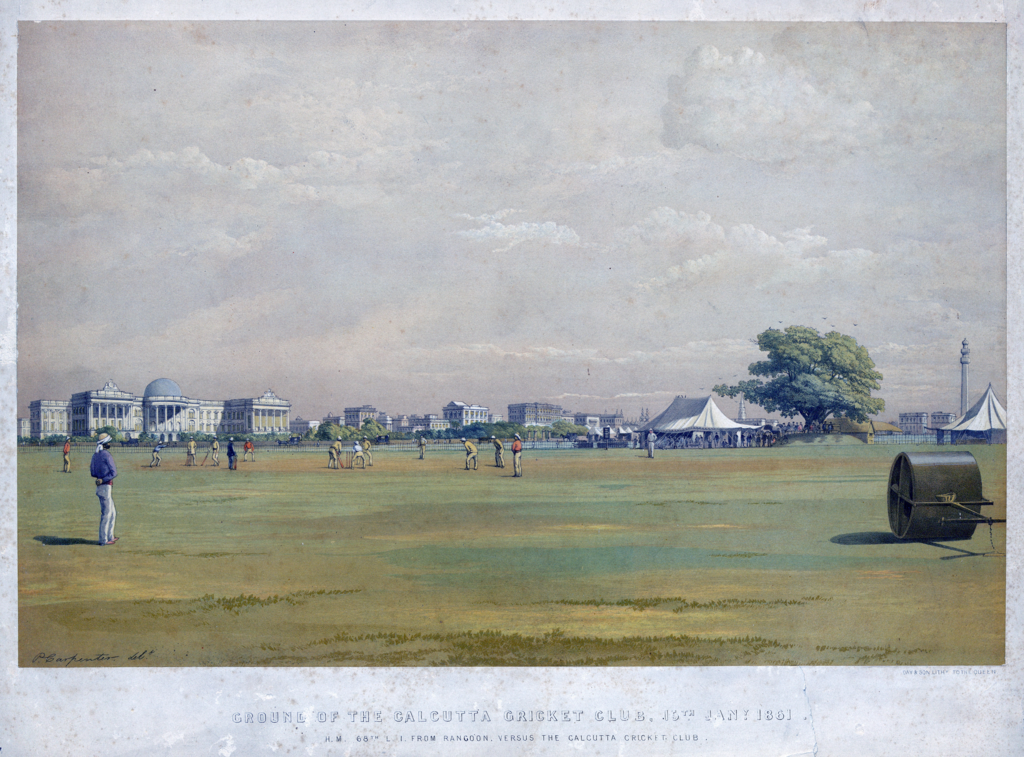
This wasn't a game for the masses. It was an exclusive pastime for the ruling Rana dynasty, a symbol of status and connection to the British. For decades, the sound of leather on willow was confined to the private gardens of the aristocracy. The common people of Nepal had no access to the sport.
To formalize this exclusive arrangement, the Cricket Association of Nepal (CAN) was established in 1946. Its primary function was to organize matches and tournaments among the Rana families and other high-ranking officials. The sport was a closed circle, an echo of the rigid social hierarchy of the time.
A New Dawn
The turning point came in 1951. A democratic revolution swept through the country, ending the 104-year-long Rana regime. As political power shifted, the gates to the palaces and their exclusive pastimes creaked open. Cricket, once a private royal hobby, began its slow trickle down to the general public.
The next major step in cementing cricket's place in the nation was in 1961. The newly formed National Sports Council absorbed the Cricket Association of Nepal. This move officially recognized cricket as a national sport and provided an institutional framework for its development.
Despite this, progress was slow. For the next two decades, organized cricket activity was largely confined to the Kathmandu Valley. The seeds had been planted, but it would take time for the game to truly grow roots across the country.
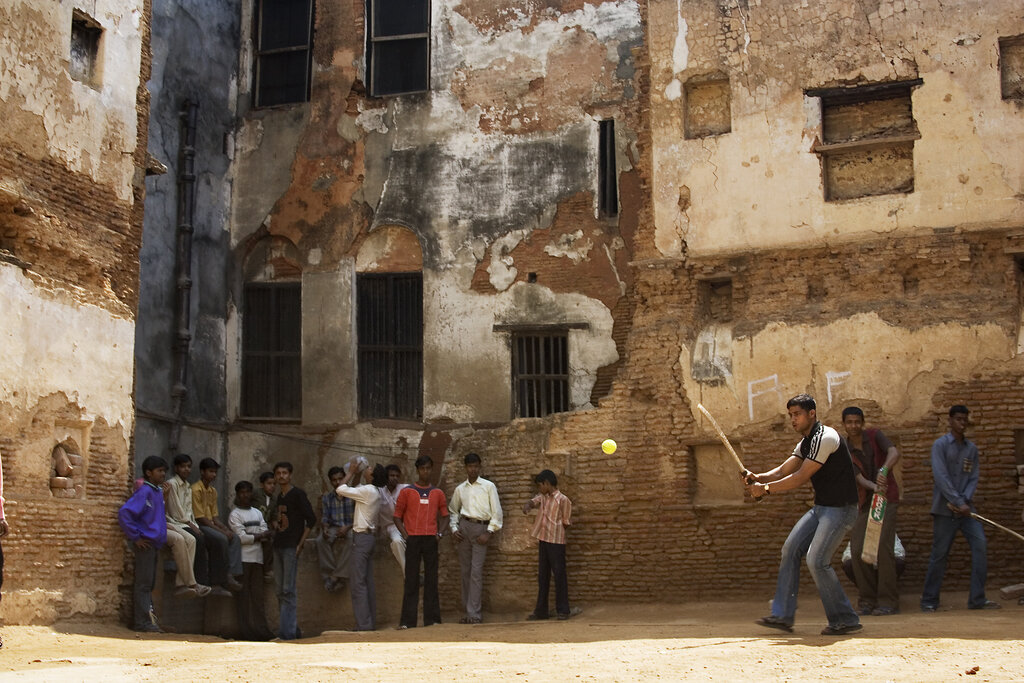
Let's review the key moments from cricket's early days in Nepal.
Who is credited with first introducing cricket to Nepal in the 1920s?
Initially, cricket in Nepal was an exclusive pastime for the ruling Rana dynasty.
This aristocratic beginning set the stage for a unique evolution, one where a sport of kings would slowly become a passion for the people.