The Rise of Silicon Valley
Early Electronics
The Switch That Shrunk the World
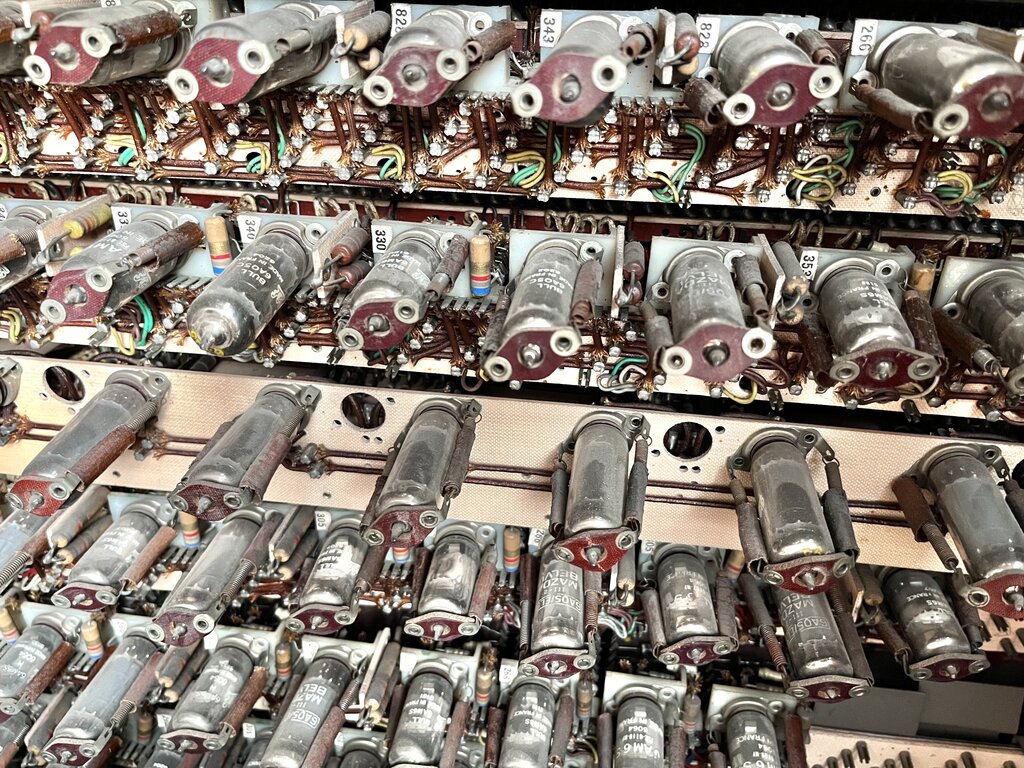
Before the 1950s, electronics were big, hot, and clumsy. The key component was the vacuum tube, a glass bulb about the size of a lightbulb that controlled the flow of electricity. Computers like the ENIAC used thousands of them. They generated immense heat, consumed a lot of power, and burned out frequently, making early electronics unreliable and enormous.
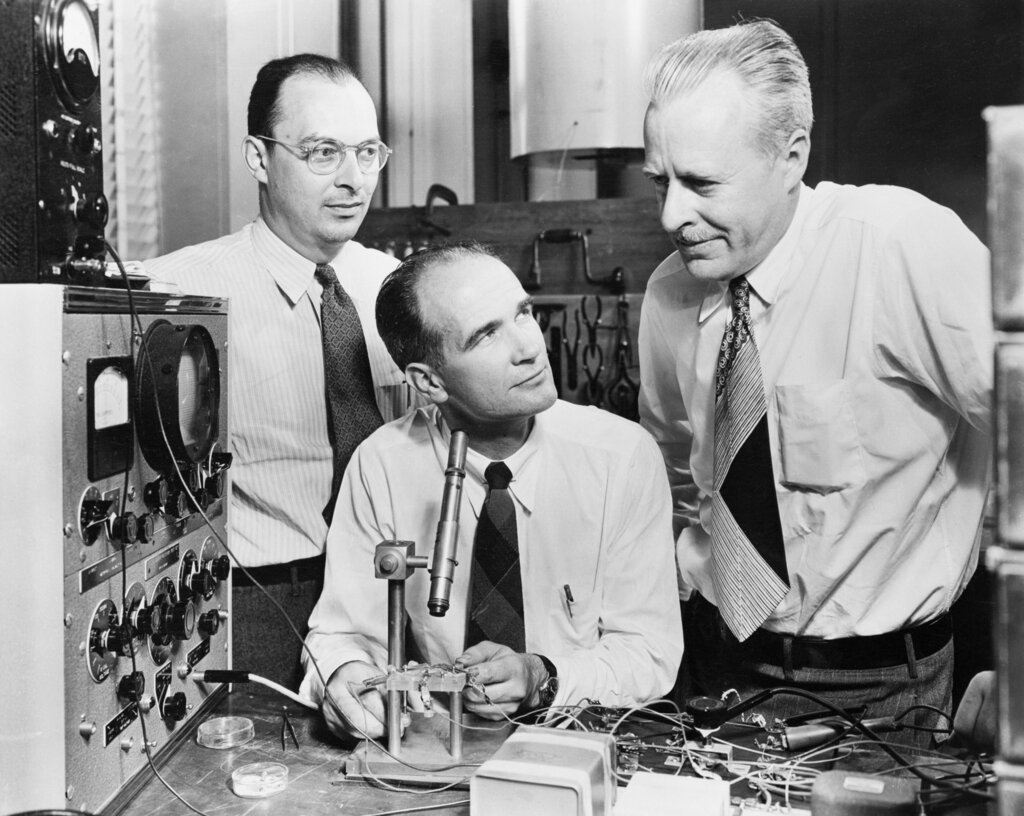
Everything changed in 1947 at Bell Labs in New Jersey. A team of physicists, William Shockley, John Bardeen, and Walter Brattain, was working on a replacement for the fragile vacuum tube. They discovered they could control electricity moving through a solid material, a semiconductor. This led to their invention: the transistor.
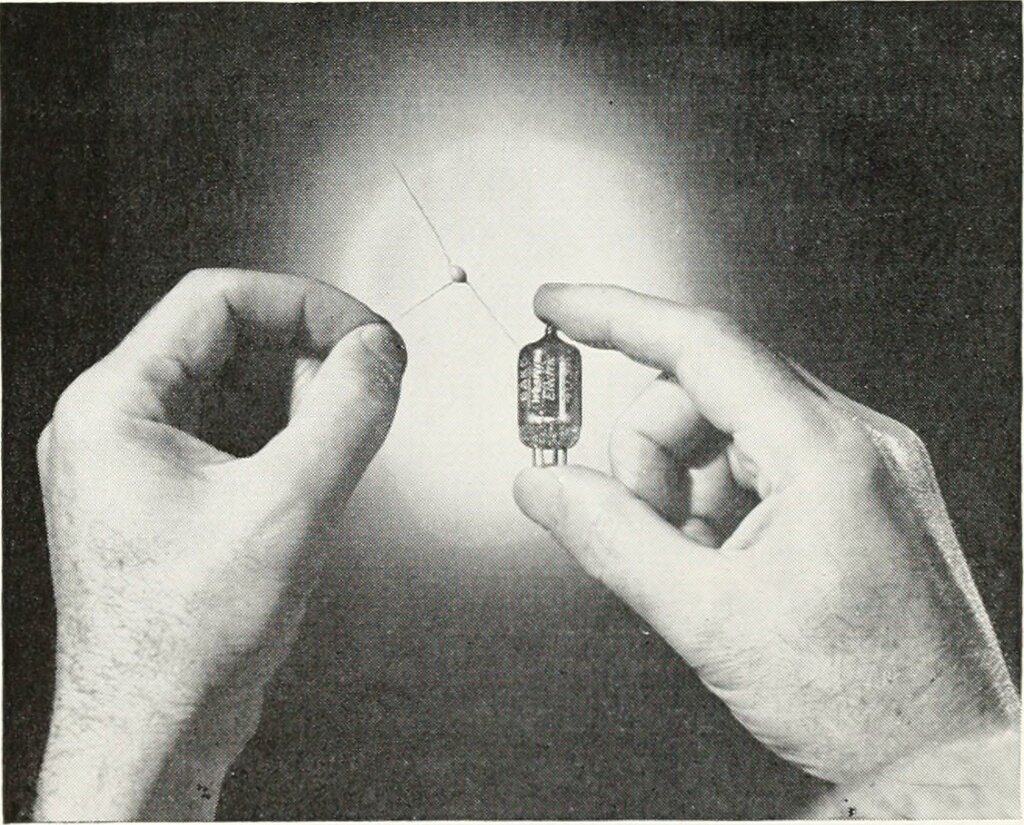
A transistor is essentially a tiny electronic switch. It can turn a current on or off, or amplify it. Unlike the vacuum tube, it was small, required very little power, generated minimal heat, and was far more durable. It was a revolutionary leap forward.
A Move to the West
William Shockley, one of the transistor's inventors, was brilliant but difficult to work with. Eager to capitalize on his invention and run his own company, he left Bell Labs in 1956. He decided to set up shop in Mountain View, California, partly to be close to his aging mother who lived in Palo Alto. He wanted to build a new kind of company focused on making transistors out of silicon, a cheap and abundant semiconductor.
semiconductor
noun
A material, like silicon, that can conduct electricity under some conditions but not others, making it an ideal medium for controlling electrical current.
He founded Shockley Semiconductor Laboratory. It was the first company established to work on silicon semiconductor devices in the area. While it wasn't a commercial success in the long run, its true legacy was the people it brought to the Santa Clara Valley.
A Magnet for Talent
Shockley set out to recruit the brightest young minds in the country. He hired a dream team of talented physicists and engineers, pulling them from all over the United States to a quiet agricultural valley filled with fruit orchards. He didn't just start a company; he imported the intellectual capital that would ignite a technological revolution.
The establishment of Shockley Semiconductor Laboratory was the pivotal event that concentrated a critical mass of brilliant scientists in one specific location.
This concentration of talent, all focused on the new possibilities of semiconductor technology, laid the foundation for the ecosystem of innovation that would become known as Silicon Valley. The transistor's invention and Shockley's move west were the first crucial steps that transformed electronics from room-sized machines to devices that could fit in your pocket.
What was the key electronic component used in early computers like the ENIAC, known for being large and generating significant heat?
The transistor was a revolutionary invention primarily because it was small, durable, and required very little power.
These early developments created a ripple effect, with new companies and innovations building directly on the work done by these pioneers.