The Rise of Peptides
Introduction to Peptides
The Building Blocks
At the heart of many biological processes are molecules called amino acids. Think of them as a set of 20 different types of molecular LEGO bricks. When these bricks snap together, they form chains. A short chain of these amino acids is called a peptide.
peptide
noun
A short chain of amino acids linked by peptide bonds.
The connection that links one amino acid to the next is a special type of covalent bond known as a peptide bond. This bond forms when the carboxyl group of one amino acid reacts with the amino group of another, releasing a molecule of water in the process. This process can repeat, adding more amino acids to create a longer chain.
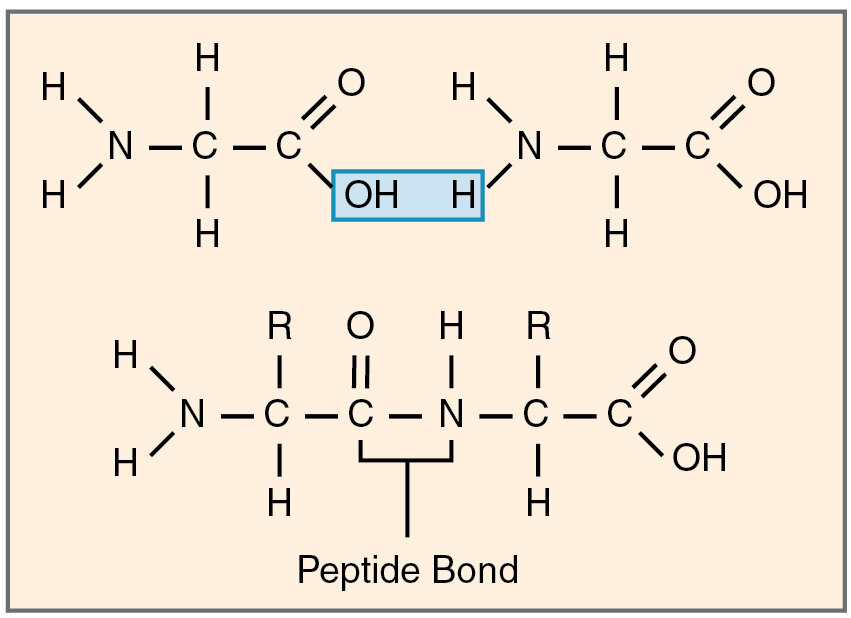
Every peptide chain has a direction. One end has a free amino group (the N-terminus), and the other has a free carboxyl group (the C-terminus). This directionality is crucial for how the peptide is read by the cell's machinery and how it interacts with other molecules.
Peptides vs. Proteins
So what's the difference between a peptide and a protein? The main distinction is size. Both are made of amino acids, but peptides are the shorter cousins of proteins.
Generally, chains with fewer than 50 amino acids are called peptides, while longer chains are called polypeptides or proteins.
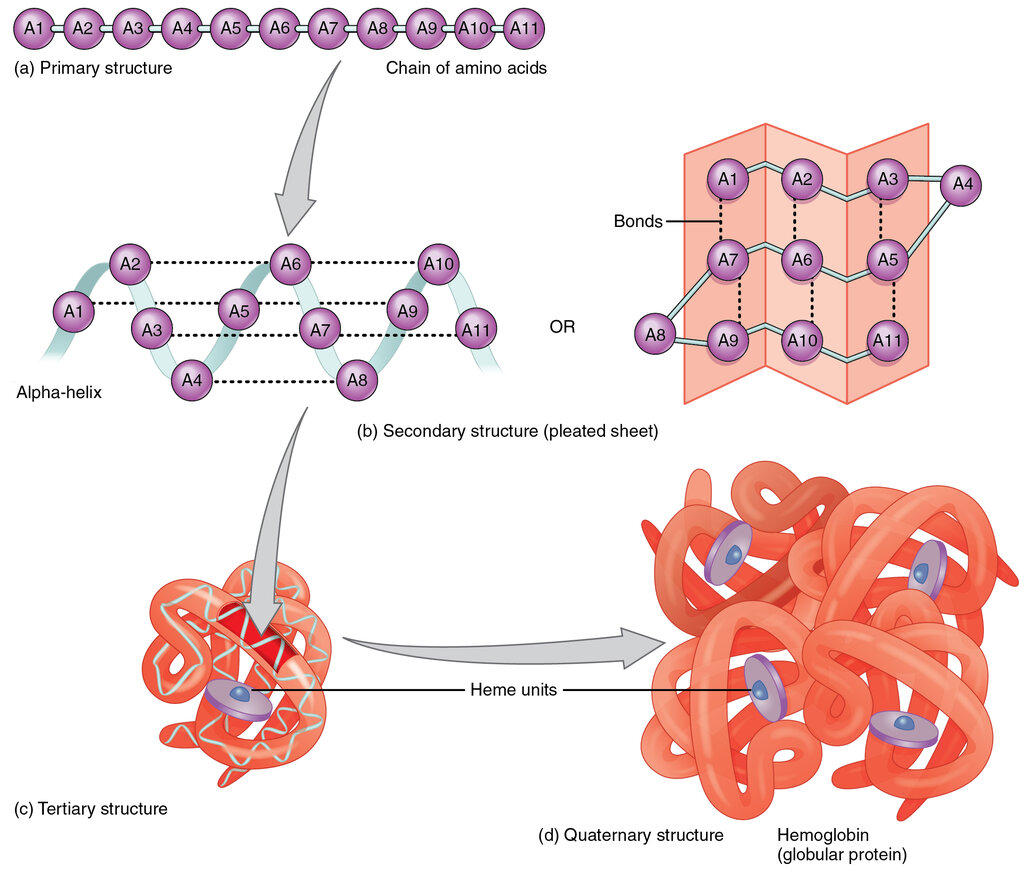
This isn't just a numbers game. Size influences structure and function. A long polypeptide chain folds into a complex, stable, three-dimensional shape. This intricate folding, from simple helices to complex globular forms, gives a protein its specific job. Peptides are typically smaller and more flexible, though they can also adopt specific shapes to carry out their tasks.
A Family of Peptides
Peptides can be classified based on how many amino acids they contain. This simple classification helps scientists talk about these molecules with precision.
| Name | Number of Amino Acids |
|---|---|
| Dipeptide | 2 |
| Tripeptide | 3 |
| Tetrapeptide | 4 |
| Oligopeptide | 2-20 |
| Polypeptide | More than 20 |
The term "polypeptide" can be a bit ambiguous. It describes a long, continuous chain of amino acids. All proteins are made of one or more polypeptides, but not all polypeptides are large or complex enough to be considered full-fledged proteins.
Tiny Molecules, Big Jobs
Despite their small size, peptides are essential players in nearly every biological activity. They act as precise messengers, carrying signals between cells and tissues to coordinate complex bodily functions.
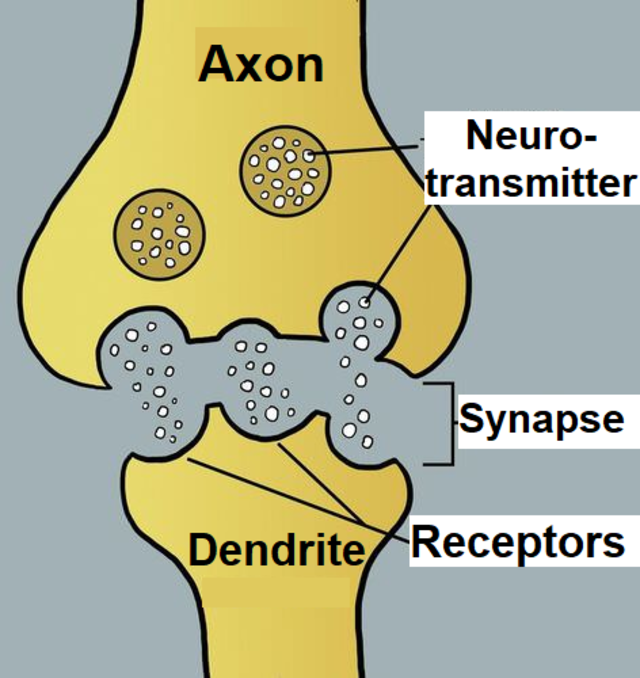
Peptides can have such broad effects because they act as circulating hormones, neurotransmitters, and local regulators, playing a fundamental role in human development, reproduction, physiology, and behavior.
Here are some of their key roles:
-
Hormones: Many hormones are peptides. For example, oxytocin, sometimes called the "love hormone," is a nonapeptide (nine amino acids) involved in social bonding and childbirth.
-
Neurotransmitters: Peptides like endorphins act as neurotransmitters in the brain, helping to reduce pain and create feelings of well-being.
-
Antimicrobials: Some peptides, known as antimicrobial peptides (AMPs), are part of the immune system's first line of defense, destroying bacteria, viruses, and fungi.
Their diverse roles make peptides a major focus of biological research. Understanding these small but mighty molecules opens a window into the intricate communication networks that keep our bodies running.
Ready to test your knowledge?
What type of bond is formed when two amino acids link together?
The formation of a peptide bond between two amino acids involves a reaction between which two functional groups?